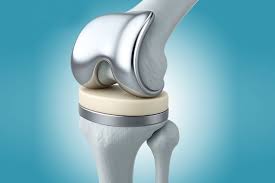
Knee Replacement in India
Knee pain can make simple daily activities feel difficult. Walking, climbing stairs, or standing for long hours may become painful when arthritis or joint damage affects the knee. For many patients, knee replacement surgery offers long-term relief. Today, medical technology has introduced robotic knee replacement India as an advanced option that promises greater precision and improved outcomes.
But is robotic-assisted surgery truly better than traditional methods? Understanding both procedures can help patients make informed choices.
What Is Robotic Knee Replacement?
Robotic knee replacement uses advanced computer-guided technology to assist orthopedic surgeons during joint replacement. The robot does not perform surgery on its own. Instead, it supports the surgeon by providing detailed 3D mapping of the patient’s knee, allowing precise planning and accurate implant placement.
This technology helps surgeons customize the procedure based on the patient’s anatomy. In robotic knee replacement India, many leading hospitals now offer this method for partial and total knee replacements.
How Does Traditional Knee Replacement Work?
Traditional knee replacement relies on manual instruments and the surgeon’s expertise to remove damaged bone and cartilage, then position the artificial joint. Skilled surgeons have successfully performed traditional procedures for decades, helping millions regain mobility.
However, manual surgery may involve slight variations in implant alignment, which can affect long-term comfort or implant life in some cases.
Robotic vs Traditional Knee Surgery: Key Differences
When comparing robotic vs traditional knee surgery, several factors stand out:
1. Precision and Accuracy
Robotic systems allow highly accurate implant placement based on pre-surgical imaging. Better alignment may improve joint function and reduce wear over time.
Traditional surgery depends entirely on manual techniques, which may still deliver excellent results in experienced hands.
2. Personalization
Robotic-assisted surgery creates a customized surgical plan for each patient. This can improve balance and fit.
Traditional procedures follow standard measurements, though surgeons can still adjust based on patient needs.
3. Recovery Time
Many patients undergoing robotic knee replacement report less tissue damage, reduced pain, and faster rehabilitation due to precise surgical movements.
Traditional surgery may involve more soft tissue disruption, which can sometimes lengthen recovery.
4. Cost
One major concern is price. Robotic knee replacement India generally costs more than traditional surgery because of advanced equipment and technology fees.
Benefits of Robotic Knee Replacement in India
India has become a major destination for advanced orthopedic surgery India due to skilled specialists and affordable treatment options compared to many Western countries.
Key advantages include:
- Better implant positioning
- Smaller surgical margins
- Potentially less pain after surgery
- Faster functional recovery
- Reduced risk of implant misalignment
- Access to world-class orthopedic centers at competitive prices
For international patients, robotic knee replacement India can offer quality treatment at significantly lower costs.
Are There Any Drawbacks?
While robotic surgery offers many benefits, it may not be ideal for every patient.
Possible limitations:
- Higher cost than conventional surgery
- Availability limited to advanced hospitals
- Surgeon expertise remains essential
- Slightly longer preparation time during surgery
Technology is a tool, but outcomes still depend heavily on the orthopedic surgeon’s experience.
Who Is the Right Candidate?
Patients with severe osteoarthritis, chronic knee pain, or limited mobility may benefit from robotic knee replacement. People seeking highly personalized treatment and precise implant placement often consider this option.
However, some patients may still achieve excellent outcomes with traditional surgery, especially under experienced specialists.
A thorough medical evaluation helps determine the best approach.
Is Robotic Knee Replacement Worth It?
For many patients, the added precision and potential for quicker recovery make robotic surgery a valuable investment. While traditional surgery remains effective, robotic systems may provide improved joint mechanics and better long-term satisfaction for suitable candidates.
When evaluating robotic knee replacement India, patients should consider:
- Surgeon qualifications
- Hospital technology
- Total treatment cost
- Recovery expectations
- Long-term outcomes
Final Thoughts
Both robotic and traditional knee replacement surgeries can restore mobility and reduce pain. The right choice depends on the patient’s condition, budget, and treatment goals. Robotic surgery offers modern precision, but expert surgical care remains the most important factor.
India continues to lead in robotic knee replacement by combining advanced technology, skilled orthopedic surgeons, and affordable healthcare. Patients considering knee replacement should consult a trusted orthopedic specialist to choose the procedure that best supports long-term mobility and comfort.
FAQs
Is robotic knee replacement safer than traditional surgery?
Robotic surgery may improve precision and reduce certain risks related to implant alignment, but safety also depends on surgeon expertise.
How much does robotic knee replacement cost in India?
Costs vary by hospital and city but are generally more affordable than many international destinations.
Does robotic knee replacement last longer?
Better implant positioning may improve longevity, though outcomes depend on patient health and post-surgery care.
Is recovery faster with robotic knee replacement?
Many patients experience quicker rehabilitation due to reduced tissue disruption.
Which is better: robotic or traditional knee replacement?
Both are effective. Robotic surgery may offer added precision, while traditional surgery remains reliable in experienced hands.