When a roof suffers damage from hail, wind, storms, or other covered events, homeowners may wonder whether their insurance policy can help pay for repairs or replacement. Roof Replacement Through Insurance can involve several steps, from documenting damage to reviewing policy coverage and completing approved work. Understanding the process can make it easier to communicate with your insurer and roofing professional. A careful approach also helps homeowners avoid unnecessary delays and unexpected expenses.
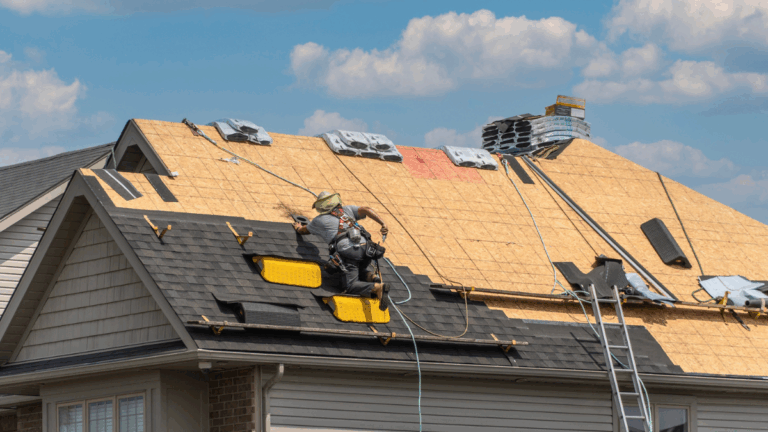
Roof Replacement Through Insurance: What Austin Homeowners Should Know?
Insurance coverage for roof replacement generally depends on the cause of damage, the terms of the policy, the roof’s condition, and the insurer’s assessment. Storm-related damage may qualify when the event is covered under the homeowner’s policy, while normal aging or maintenance issues are typically treated differently. Reviewing the policy before making assumptions is an important first step.
Homeowners should also document visible damage as soon as it is safe to do so. Photographs, videos, inspection notes, and information about the storm can provide useful records during the claim process. A qualified roofing professional can inspect the roof and identify areas that may require repair or replacement. The final coverage decision, however, remains with the insurance provider.
How an Insurance Roofing Contractor Helps With Your Claim Preparation?
An Insurance Roofing Contractor can help homeowners understand the roofing portion of an insurance claim and prepare useful documentation. A contractor may inspect shingles, flashing, vents, gutters, decking, and other roof components for signs of storm damage. Detailed inspection findings can help create a clearer picture of the property’s condition before work begins.
The contractor can also explain which roofing components may need attention based on the observed damage. This does not mean the contractor determines what an insurance company will approve. Instead, the contractor provides professional observations and estimates that can support communication between the homeowner and insurer. Keeping records organized throughout the process can make discussions easier.
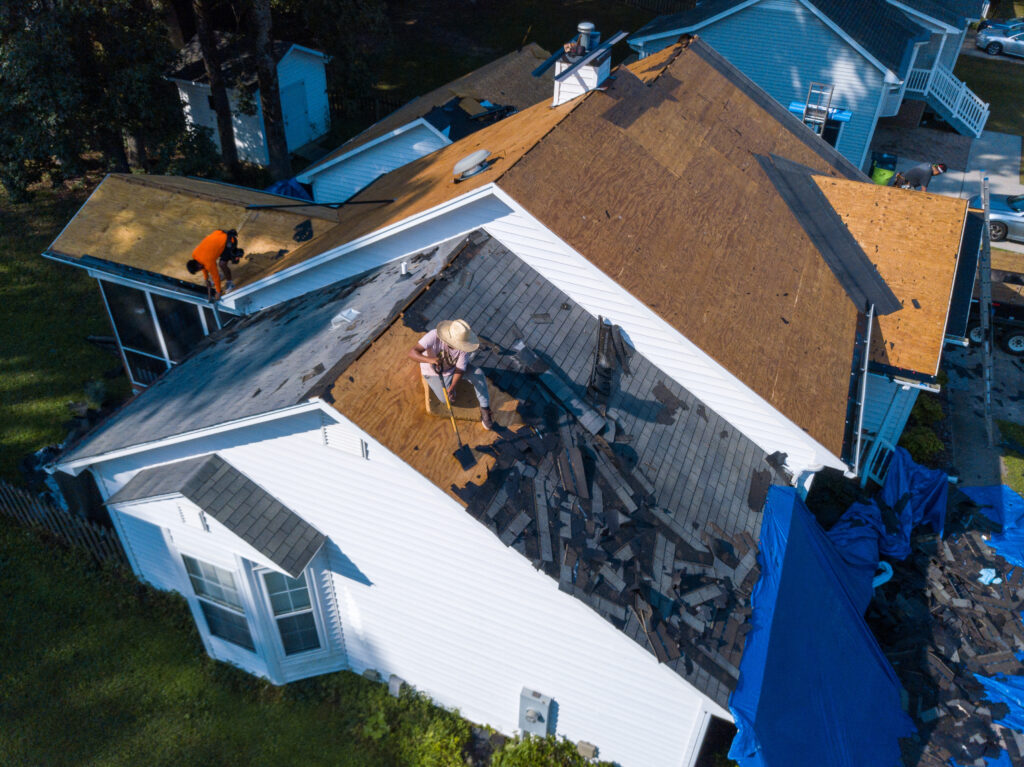
Choosing an Insurance Roofing Contractor for Your Austin Home Project
When selecting an Insurance Roofing Contractor, homeowners should look beyond promises about getting every claim approved. Experience with inspections, documentation, estimates, and roofing installation can be more valuable than aggressive claims about insurance results. A reputable contractor should explain the process clearly and avoid guaranteeing coverage.
It is also useful to ask about licensing, insurance, warranties, references, and the materials proposed for the replacement. Homeowners should understand the scope of work before signing an agreement. Clear written estimates can reduce confusion about labor, materials, exclusions, and any costs that may remain the homeowner’s responsibility.
What to Expect From an Austin Roofing Contractor During Replacement?
An Austin Roofing Contractor typically begins by inspecting the existing roof and determining the extent of visible damage. If replacement is appropriate, the contractor can discuss material options, project requirements, ventilation considerations, and expected timelines. These details help homeowners understand what the physical replacement process will involve.
Once the project is approved and scheduled, preparation may include protecting landscaping, removing damaged roofing materials, and inspecting the underlying structure. New roofing materials are then installed according to the manufacturer’s requirements and applicable building standards. A final inspection can help confirm that the completed roof is properly installed and that the work area has been cleaned.
How an Austin Roofing Contractor Can Assess Insurance Roof Damage?
A professional Austin Roofing Contractor can look for damage that may not be obvious from ground level. Hail impacts, lifted shingles, damaged flashing, exposed areas, and compromised roof accessories can sometimes require a closer inspection. Attic observations may also provide clues about moisture intrusion or other problems.
Timing matters when a roof has experienced severe weather. Delaying an inspection can allow a small opening or damaged area to become a larger problem, particularly when additional rain reaches the roof. Homeowners should address urgent leaks promptly while maintaining records of the condition and any temporary measures taken.
Questions to Ask a Roofing Company Austin Tx Before Hiring Locally
Before hiring a Roofing Company Austin Tx, homeowners should ask who will perform the inspection, how the scope of work will be documented, and what warranties are included. It is also helpful to ask whether the company carries appropriate insurance and whether it has experience handling residential roof replacement projects.
A written proposal should explain the materials, labor, removal of old roofing, cleanup, and other relevant services. Homeowners should also clarify payment requirements and understand their insurance responsibilities. Taking time to compare proposals can help prevent misunderstandings and make the selection process more straightforward.
How a Roofing Company Austin Tx Handles Insurance Roof Projects Safely?
A professional Roofing Company Austin Tx should approach insurance-related roofing work as both a construction project and a documentation process. The contractor can provide inspection findings, photographs, measurements, and estimates when appropriate. Good communication helps ensure that everyone understands what work is being proposed.
Homeowners should remain involved throughout the claim and replacement process. Insurance documents, contractor estimates, approval notices, invoices, and warranty information should be kept together. If the scope changes after work begins, homeowners should ask for an explanation and written documentation before approving additional work.
How a Rollingwood Roofing Company Supports Local Homeowners Today?
A Rollingwood Roofing Company can provide homeowners with local knowledge when evaluating roof damage and planning replacement work. Familiarity with nearby homes, common roofing materials, and local project conditions can help contractors approach inspections efficiently. Local service can also make communication and follow-up more convenient.
Homeowners should still evaluate a contractor based on workmanship, credentials, communication, and written documentation rather than location alone. A reliable local company should clearly explain the recommended work and answer questions without pressuring the homeowner. This approach helps create a better foundation for a successful roofing project.
When to Hire a Rollingwood Roofing Contractor for Roof Replacement?
A Rollingwood Roofing Contractor may be appropriate when a roof has significant storm damage, repeated leaks, widespread deterioration, or other conditions that make replacement more practical than isolated repairs. An inspection can help determine whether the roof has reached the point where replacement should be considered.
For insurance-related projects, homeowners should avoid beginning major work before understanding their insurer’s requirements. A roofing professional can help explain the construction side of the process, while the insurance provider determines coverage under the policy. Coordinating these steps can help homeowners move from inspection to completed replacement with fewer surprises.
Why Professional Roofing Support Makes Insurance Projects Easier?
Insurance-related roof replacement can feel complicated because it combines policy requirements, damage assessment, construction decisions, and financial considerations. Professional roofing support can make the construction side easier to understand and organize. The right contractor should provide clear information rather than making unrealistic promises about claim outcomes.
A dependable roofing professional also helps homeowners focus on long-term roof performance. Proper installation, suitable materials, ventilation, flashing, and cleanup all contribute to the finished result. Choosing a contractor carefully can therefore be just as important as understanding the insurance process itself.
FAQs
1. Does homeowners insurance always pay for roof replacement?
No. Coverage depends on the policy, the cause of damage, the roof’s condition, exclusions, deductibles, and the insurer’s assessment. Normal aging and neglected maintenance may not qualify for coverage.
2. Should I get a roof inspection before filing an insurance claim?
A professional inspection can help document the roof’s condition and identify potential damage. Homeowners should also follow their insurance company’s requirements regarding claim reporting and inspections.
3. Can a roofing contractor guarantee that my insurance claim will be approved?
No reputable contractor can guarantee an insurer’s coverage decision. Contractors can document damage and provide estimates, but the insurance company determines coverage according to the policy.
4. How quickly should storm-related roof damage be inspected?
It is best to arrange an inspection as soon as practical after the property is safe. Prompt attention can help identify damage before leaks or additional weather exposure cause further problems.
5. What should I look for when hiring a roofing contractor?
Consider experience, insurance coverage, references, written estimates, warranties, communication, and the contractor’s approach to documentation. Avoid contractors who pressure you or make unrealistic insurance promises.
Conclusion
Replacing a damaged roof through an insurance claim requires more than simply choosing new roofing materials. Homeowners need to understand their policy, document the property’s condition, communicate with their insurer, and work with a qualified roofing professional. Keeping these responsibilities organized can make the process easier to manage.
A well-installed replacement roof can provide protection for years when the right materials and installation practices are used. Whether the project follows storm damage or another covered event, careful planning and clear communication can help homeowners make informed decisions from inspection through completion.