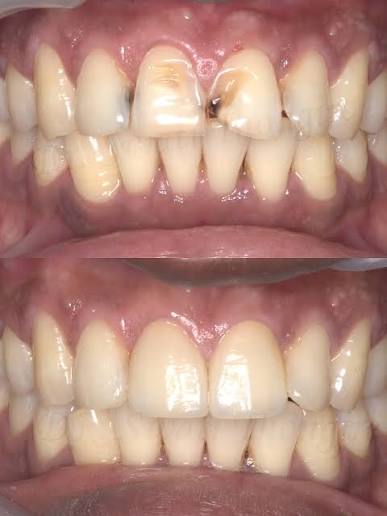
Healthy teeth are important for eating, speaking, smiling, and maintaining good overall health. Sometimes, a tooth becomes badly damaged because of deep decay, infection, or injury. When this happens, removing the tooth is not always the best option. Modern dentistry offers treatments that can save your natural tooth and restore its function.
If you are looking for a Root Canal Specialist, it is important to understand how root canal treatment works and why choosing the right dental professional matters. A specialist has the knowledge and experience to diagnose dental infections, perform the treatment carefully, and help preserve your natural teeth whenever possible.
Many people feel nervous when they hear the words “root canal.” However, with today’s advanced dental techniques and modern equipment, the procedure is much safer, more comfortable, and highly successful than many people think. Learning about the treatment can help reduce fear and encourage you to seek dental care before the problem becomes more serious.
What Is a Root Canal?
A root canal is a dental procedure that removes infected or damaged tissue from inside a tooth. The soft tissue inside the tooth is called the pulp. It contains nerves and blood vessels that help the tooth develop.
When the pulp becomes infected due to deep cavities, cracks, repeated dental work, or trauma, it can cause severe pain and swelling. If left untreated, the infection may spread to the surrounding tissues and even lead to tooth loss.
Root canal treatment removes the infected pulp, cleans and disinfects the inside of the tooth, and seals it to prevent future infection. In many cases, a dental crown is placed afterward to strengthen and protect the treated tooth.
Who Is a Root Canal Specialist?
A Root Canal Specialist is a dentist who focuses on diagnosing and treating problems inside the tooth. These specialists receive advanced training in performing root canal procedures, especially for teeth with complex root structures or difficult infections.
They use specialized instruments and advanced technology to provide accurate treatment while preserving as much healthy tooth structure as possible.
Patients are often referred to a specialist when:
- The tooth has multiple or curved root canals.
- Previous root canal treatment has failed.
- The infection is severe.
- The tooth has experienced significant trauma.
- The case is more complex than routine dental treatment.
Why Saving Your Natural Tooth Is Important
Keeping your natural teeth offers many long-term benefits. A natural tooth helps you chew properly, supports nearby teeth, and maintains the natural shape of your jaw.
Saving a tooth through root canal treatment can:
- Maintain normal biting strength.
- Prevent nearby teeth from shifting.
- Preserve your natural smile.
- Reduce the need for tooth replacement options.
- Support long-term oral health.
Whenever possible, dentists recommend preserving the natural tooth instead of removing it.
Signs You May Need Root Canal Treatment
Not every toothache requires a root canal, but certain symptoms may indicate that the inner pulp has become infected.
Some common warning signs include:
Persistent Tooth Pain
Pain that continues for several days or becomes worse while eating or drinking may indicate pulp damage.
Sensitivity to Hot or Cold
If sensitivity remains for a long time after consuming hot or cold foods, the tooth nerve may be affected.
Swollen Gums
Swelling around a painful tooth can be a sign of infection.
Tooth Discoloration
A tooth that becomes darker than the surrounding teeth may have damaged internal tissue.
Pain While Chewing
Pain during biting or chewing often suggests inflammation around the tooth root.
Gum Pimple
A small bump or pimple on the gums that releases fluid may indicate an abscess requiring immediate treatment.
Ignoring these symptoms can allow the infection to spread and make treatment more complicated.
Common Causes of Tooth Infection
Several dental problems can damage the pulp inside a tooth.
Deep Tooth Decay
Untreated cavities gradually reach the pulp, allowing bacteria to cause infection.
Cracked Teeth
Small cracks can allow bacteria to enter the tooth and infect the pulp.
Dental Injury
A sports injury or accident may damage the tooth even if there is no visible crack.
Repeated Dental Procedures
Multiple fillings or restorations on the same tooth may weaken the tooth over time.
Advanced Gum Disease
In some cases, severe gum disease may affect the tissues surrounding the tooth root.
Regular dental check-ups help identify these problems before they become serious.
Step-by-Step Root Canal Procedure
Understanding each step can help reduce anxiety about the treatment.
Step 1: Dental Examination
The dentist examines the affected tooth and may recommend X-rays to identify the infection and evaluate the root canals.
Step 2: Local Anesthesia
The area is numbed so the procedure remains comfortable.
Step 3: Access Opening
A small opening is made in the tooth to reach the infected pulp.
Step 4: Cleaning the Root Canals
The infected tissue is removed, and the canals are cleaned thoroughly using specialized instruments.
Step 5: Disinfection
The canals are disinfected to eliminate bacteria and reduce the risk of reinfection.
Step 6: Filling the Canals
The cleaned canals are sealed with a safe filling material.
Step 7: Tooth Restoration
Depending on the condition of the tooth, a filling or crown is placed to restore strength and function.
Is Root Canal Treatment Painful?
One of the biggest myths about root canal treatment is that it is extremely painful.
In reality, modern anesthesia and advanced dental techniques make the procedure similar to getting a routine dental filling. Most patients experience relief from pain because the infected tissue causing discomfort is removed.
After treatment, mild soreness may occur for a few days, but this usually improves with prescribed medication and proper care.
Benefits of Root Canal Treatment
Root canal treatment offers many advantages.
Preserves Your Natural Tooth
Keeping your natural tooth is usually the healthiest option.
Eliminates Infection
Removing infected tissue helps stop the spread of bacteria.
Relieves Pain
Many patients experience significant pain relief after treatment.
Restores Normal Chewing
Once restored, the tooth functions like a natural tooth.
Prevents Tooth Loss
Saving the tooth reduces the need for bridges, dentures, or implants.
Improves Oral Health
Treating infection early protects surrounding teeth and gum tissues.
How to Choose the Right Root Canal Specialist
Choosing an experienced dental professional can improve your treatment experience.
Consider the following factors:
Experience
Look for a dentist who regularly performs root canal procedures.
Modern Technology
Digital X-rays, rotary instruments, and advanced equipment help improve treatment accuracy.
Clear Communication
A good dentist explains the procedure, answers questions, and discusses available treatment options.
Hygiene Standards
The dental clinic should maintain excellent sterilization and infection control practices.
Patient Reviews
Reading patient feedback can provide useful information about the quality of care and patient satisfaction.
Recovery After Root Canal Treatment
Recovery is generally simple when patients follow their dentist’s instructions.
Helpful recovery tips include:
- Avoid chewing on the treated tooth until the permanent restoration is completed.
- Brush and floss gently every day.
- Take medications exactly as prescribed.
- Attend all follow-up appointments.
- Avoid hard or sticky foods for a few days.
- Contact your dentist if swelling or severe pain continues.
Most people return to their normal routine within one or two days.
How Long Does a Root Canal Last?
A properly treated tooth can last for many years and often for a lifetime with good oral care.
Long-term success depends on:
- Daily brushing and flossing.
- Regular dental check-ups.
- Professional cleanings.
- Wearing a mouthguard if you grind your teeth.
- Avoiding habits like chewing ice or opening packages with your teeth.
Maintaining good oral hygiene greatly increases the life of the treated tooth.
Common Myths About Root Canal Treatment
Many misunderstandings prevent people from seeking timely treatment.
Myth 1: Root Canals Are Very Painful
Fact: Modern treatment is designed to reduce pain, not cause it.
Myth 2: Tooth Extraction Is Always Better
Fact: Saving your natural tooth is often the preferred choice whenever possible.
Myth 3: Root Canal Treatment Takes Many Visits
Fact: Many cases can be completed in one or two appointments depending on the condition of the tooth.
Myth 4: The Tooth Will Not Last Long
Fact: A restored tooth can function successfully for many years with proper care.
Myth 5: Pain Always Means You Need a Root Canal
Fact: Tooth pain has many possible causes. Only a proper dental examination can determine the correct treatment.
Preventing Future Root Canal Problems
Although root canal treatment is highly successful, prevention is always better than treatment.
You can reduce your risk by:
- Brushing twice every day with fluoride toothpaste.
- Flossing daily.
- Limiting sugary foods and drinks.
- Visiting the dentist every six months.
- Treating cavities early.
- Wearing a mouthguard during sports.
- Avoiding tobacco products.
- Addressing teeth grinding if recommended by your dentist.
Healthy habits help protect your teeth from future infections.
When Should You Visit a Dentist Immediately?
Seek dental care as soon as possible if you experience:
- Severe tooth pain.
- Swelling around the gums or face.
- A broken tooth with pain.
- A pus-filled swelling near the tooth.
- Fever along with dental infection.
- Persistent sensitivity lasting several minutes.
Early diagnosis often makes treatment easier and helps prevent complications.
Frequently Asked Questions
How long does a root canal procedure take?
Most treatments take between 60 and 90 minutes, although complex cases may require additional time.
Can I eat after root canal treatment?
Yes. However, wait until the numbness wears off and avoid chewing on the treated tooth until advised by your dentist.
Will I need a crown after treatment?
Many back teeth require a crown because they experience greater chewing pressure. Your dentist will recommend the most suitable restoration.
Can children have root canal treatment?
Yes. Depending on the condition of the tooth, children may also receive root canal-related procedures to preserve their teeth.
Is root canal treatment safe?
Yes. Root canal treatment is a well-established and safe procedure performed to remove infection while preserving the natural tooth.
Conclusion
Choosing an experienced Root Canal Specialist is one of the most important steps in protecting your oral health. Early diagnosis and timely treatment can save your natural tooth, relieve pain, and prevent more serious dental problems in the future. Modern root canal procedures are safe, effective, and designed to provide long-lasting results with minimal discomfort. If you are experiencing persistent tooth pain or signs of infection, consulting an experienced dental professional without delay is the best decision. Dr. Swati Thongire is committed to providing patient-focused dental care with careful diagnosis and personalized treatment plans to help patients maintain healthy, functional, and confident smiles for years to come.