Table of Contents
- What Is Sadaqah in Islam?
- Can Sadaqah Be a Means of Forgiveness?
- Sadaqah for Forgiveness of Sins: What Muslims Should Understand
- How Charity Connects With Tawbah
- 10 Practical Ways to Give Sadaqah
- Sadaqah Jariyah and Long-Term Rewards
- Sadaqah vs Zakat
- How Sadaqah Can Benefit Daily Life
- How to Make Your Sadaqah More Meaningful
- Sadaqah Ideas for Muslims in Canada
- Frequently Asked Questions
What Is Sadaqah in Islam?
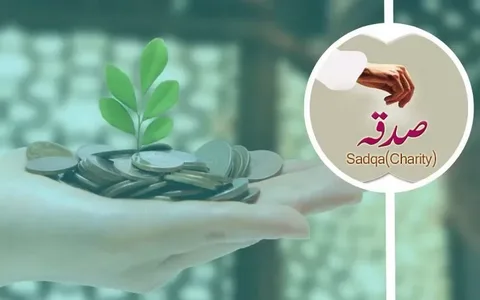
Sadaqah is voluntary charity given for the sake of Allah. Unlike obligatory Zakat, which has specific rules concerning eligibility, wealth, calculation, and recipients, sadaqah can take many forms and can be given at different times according to a person’s ability.
So, what is sadaqah in Islam with examples?
It can be giving money to a family facing hardship, buying food for someone who is hungry, helping a neighbour, supporting an educational project, providing clean water, or offering assistance to someone who needs it.
The beautiful thing about sadaqah is that it isn’t restricted to wealthy people.
A person may have only a small amount of money but still give something meaningful. Even an act of kindness can become an expression of charity when done sincerely.
The Qur’an repeatedly encourages believers to spend from what Allah has provided. In Surah Al-Baqarah 2:261, charitable spending is compared to a seed that produces many times what was planted.
Read Qur’an 2:261 on Quran.com
This gives sadaqah a deeper meaning. It isn’t simply money leaving your hand. It is an act of worship, generosity and social responsibility.
Can Sadaqah Be a Means of Forgiveness?
The idea of sadaqah for forgiveness of sins is closely connected with the wider Islamic teachings about repentance, good deeds and seeking Allah’s mercy.
However, Muslims should understand one important point: charity should not be treated like a mechanical transaction where a person deliberately commits wrongdoing and then assumes a donation automatically cancels it.
Islam places great importance on tawbah, sincere repentance.
When someone realizes they have done something wrong, they should turn back to Allah, regret the wrongdoing, seek forgiveness and, where appropriate, correct the harm they caused.
Sadaqah can accompany that process as a good deed.
The Qur’an describes charitable spending as something that can be connected with the removal of some misdeeds, while also emphasizing sincere charitable behaviour.
This is why the relationship between charity and forgiveness should be understood as part of a larger spiritual journey rather than a simple formula.
Think of it like cleaning a room.
If you accidentally spill something on the floor, simply opening a window doesn’t clean the stain. You need to address the mess itself. Likewise, when a person seeks forgiveness, sincere repentance and correcting wrongdoing matter. Charity can become part of the person’s return toward goodness.
Sadaqah for Forgiveness of Sins: What Muslims Should Understand
The phrase sadaqah for forgiveness of sins is popular because Muslims naturally want to know how charity relates to Allah’s mercy.
The answer begins with intention.
A Muslim should give sadaqah seeking Allah’s pleasure rather than treating charity as a way to purchase forgiveness.
The Qur’an also teaches that charity should not be followed by reminders, humiliation or harm toward the recipient.
That principle is powerful.
Imagine giving someone a meal when they are hungry and then reminding them about it every time you meet. The financial value of the meal may be small, but the emotional burden can become enormous.
Islam teaches Muslims to protect the dignity of the person receiving charity.
Sincere intention matters
Before giving sadaqah, ask yourself:
Why am I giving this?
If the answer is to please Allah, help someone, support a beneficial cause or seek reward through a good deed, your charity has a meaningful spiritual foundation.
If the main purpose is social recognition, praise or showing wealth, the spiritual quality of the act becomes a different matter.
Repentance and charity can work together
If a person has committed a sin, a healthy Islamic response is not simply to donate money.
A person should consider:
- Recognizing the wrongdoing
- Feeling genuine regret
- Asking Allah for forgiveness
- Stopping the sinful behaviour
- Correcting harm caused to another person
- Returning someone else’s rights where applicable
- Increasing good deeds
- Giving sadaqah sincerely
This approach makes charity part of a broader effort to become better.
How Charity Connects With Tawbah
Tawbah means turning back to Allah.
That idea fits naturally with sadaqah because genuine repentance should produce positive change.
Suppose someone realizes that they have become careless about helping others. They begin making a small weekly charity contribution. They also become more conscious of neighbours who need support.
Over time, that habit can reshape behaviour.
The money itself matters, but so does the heart behind it.
The Qur’an describes charitable spending as something that should be directed toward Allah’s pleasure and emphasizes that believers should not destroy the value of charity through reminders or injury.
Explore Qur’an 2:261–273 on Quran.com
This gives us a practical lesson: good deeds should improve both what we do and how we treat people.
10 Practical Ways to Give Sadaqah
Sadaqah doesn’t have to be complicated. You can build it into ordinary life.
1. Feed Someone Who Is Hungry
Food is one of the most straightforward forms of charity.
You might provide a meal, contribute to a food programme or help a family purchase essential groceries.
For Muslims interested in food-related charitable giving, Al Mustafa Canada’s Break the Hunger appeal is one relevant internal resource.
2. Provide Clean Water
Water has an immediate practical impact on families and communities.
Al Mustafa Canada describes its water projects as including hand pumps, water wells, electric wells and purification systems.
Explore Al Mustafa Canada’s Water for Life projects
A water project can also be considered when researching sadaqah jariyah examples, depending on the project and Islamic guidance surrounding it.
3. Support an Orphan
Helping vulnerable children can be another meaningful form of voluntary charity.
Learn about Al Mustafa Canada’s Orphan Sponsorship programme
The organisation states that its sponsorship programme supports areas such as education, food, healthcare and accommodation.
4. Support Healthcare
Healthcare assistance can help people who cannot easily afford treatment.
For example, Al Mustafa Canada’s sight-restoration programme includes eye camps and hospital-based eye care.
Explore the Cataract Charity Appeal
5. Help Someone With Food or Household Expenses
Not every sadaqah needs to be part of a large campaign.
Buying groceries for a struggling neighbour or helping someone with an essential bill can be a quiet act of generosity.
6. Give Knowledge
Teaching someone useful knowledge, helping a student understand a lesson or sharing beneficial educational material can also be an expression of goodness.
7. Support Qur’an Education
Supporting students who learn and teach the Qur’an can be another charitable opportunity.
Explore Al Mustafa Canada’s Sponsor a Hafiz programme
8. Help During Emergencies
Disasters can leave families without food, shelter, healthcare or clean water.
Al Mustafa Canada lists emergency appeals covering several humanitarian situations.
View Al Mustafa Canada’s current appeals
9. Give Quietly
Sometimes the most meaningful charity is the charity nobody else knows about.
Private giving can help protect the recipient’s dignity and reduce the temptation to seek praise.
10. Make Sadaqah a Habit
You don’t need to wait for Ramadan, Eid or a crisis.
A small weekly sadaqah can become a long-term habit.
Five dollars. Ten dollars. A meal. A useful item. A helping hand.
The amount isn’t the only thing that matters.
Sadaqah Jariyah and Long-Term Rewards
One particularly important concept is sadaqah jariyah, often translated as ongoing or continuing charity.
The basic idea is that a beneficial charitable contribution can continue producing benefit after the initial act.
Examples commonly discussed include:
- Building or supporting a water source
- Supporting beneficial education
- Contributing toward a mosque or community facility
- Supporting Qur’an learning
- Providing resources that people continue using
The details of what qualifies and how rewards are understood should be considered according to reliable Islamic scholarship.
For a practical project example, Al Mustafa Canada’s Waqfiyyat project discusses a waqf initiative connected with Al-Aqsa and support for local communities.
Learn about Waqfiyyat Al Mustafa
Sadaqah vs Zakat
This is where many beginners become confused.
Sadaqah is voluntary charity, while Zakat is an obligatory act of worship for Muslims who meet the applicable conditions.
Quick comparison
| Feature | Sadaqah | Zakat |
|---|---|---|
| General nature | Voluntary | Obligatory when conditions are met |
| Amount | No universal fixed amount | Calculated according to Islamic rules |
| Timing | Any time | According to the person’s Zakat circumstances |
| Forms | Money, food, assistance and other good deeds | Qualifying wealth according to Zakat rules |
| Purpose | Voluntary worship and helping others | Fulfilment of a specific religious obligation |
For readers who need what is zakat in Islam explained simply, Al Mustafa Canada’s Zakat resource provides information about Zakat al-Mal, Zakat al-Fitr, Nisab and eligible recipients.
Read Al Mustafa Canada’s Zakat guide
The Qur’an identifies categories for Zakat distribution in Surah At-Tawbah 9:60, including the poor, needy, those administering Zakat, debtors and other specified groups.
This is why Zakat vs Sadaqah should not be treated as two interchangeable words.
How Sadaqah Can Benefit Daily Life
The sadaqah benefits in daily life can extend beyond the immediate recipient.
It develops generosity
When giving becomes a regular habit, people can become more conscious of the needs around them.
It encourages gratitude
Helping someone else can remind us that the things we consider ordinary—food, clean water, shelter and security—are blessings.
It strengthens community connections
A community becomes stronger when people look beyond themselves.
It creates opportunities for good
One charitable act can inspire another.
A person helps a neighbour. The neighbour later helps someone else. The cycle continues.
It can encourage humility
Charity reminds us that wealth is not simply about personal consumption. In Islam, wealth also carries responsibilities.
How to Make Your Sadaqah More Meaningful
Giving more isn’t always the only answer. Giving wisely matters too.
Choose genuine needs
Before donating, understand where your contribution is going.
Protect people’s dignity
Avoid embarrassing or humiliating people who receive assistance.
Give consistently
A small regular contribution can be easier to maintain than an occasional large donation.
Research the organisation
Look for transparency, clear project information, secure donation processes and appropriate religious guidance.
Al Mustafa Canada states that its Zakat policy is designed so that Zakat donations are distributed to eligible recipients rather than being used for administrative costs.
Donate through Al Mustafa Canada
Sadaqah Ideas for Muslims in Canada
Living in Canada doesn’t mean charity has to be complicated.
You can support local community members, contribute to humanitarian relief overseas, sponsor vulnerable children, help provide food or water, support healthcare programmes, or donate toward educational initiatives.
For Muslims looking for several options in one place, Al Mustafa Canada’s website currently lists Zakat, Sadaqah, water, food, orphan sponsorship, healthcare and emergency appeals.
You can also explore:
- Aqiqah & Sadaqah donations
- Community Food Bank
- Sadaqah
- Sadaqah Jariyah
- Zakat Calculator
- Sponsor a Hafiz
- Palestine & Gaza Emergency Appeal
- Lebanon Emergency Appeal
- Sudan Emergency Appeal
- Yemen Emergency Appeal
- Pakistan Floods Emergency Appeal
- Freedom Campaign
- Al Mustafa Islamabad Eye Hospital
- Al Mustafa Dadyal Hospital
- Al Mustafa Mansehra Hospital
- About Al Mustafa Canada
- Contact Al Mustafa Canada
These links can also form a useful internal-linking cluster around the main keyword. Rather than placing every link in one paragraph, use descriptive anchor text naturally throughout the article.
Infographic Content: Sadaqah & Forgiveness in Islam
For an image-submission backlink or blog infographic, use this structure:
Title:
Sadaqah for Forgiveness of Sins: A Simple Islamic Guide
5 visual points:
- 🤲 Make sincere Tawbah
- ❤️ Give Sadaqah for Allah’s sake
- 🍲 Help someone in genuine need
- 💧 Support lasting beneficial projects
- 🌱 Turn charity into a regular good habit
Bottom message:
“Charity is not simply about giving money—it is about turning blessings into benefit.”
Suggested infographic CTA:
Learn about Zakat, Sadaqah and charitable projects at Al Mustafa Canada.
Suggested image alt text:Sadaqah for forgiveness of sins and Islamic charity benefits
Suggested image filename:sadaqah-for-forgiveness-of-sins-islamic-charity.jpg
Why Sadaqah Should Become a Lifestyle
One donation can help someone today. A consistent charitable mindset can influence the way you live every day.
You start noticing who needs help.
You become more grateful.
You become more careful about how you use your wealth.
You may begin asking a simple question before spending: Can this benefit someone else too?
That shift is important.
Sadaqah isn’t only about putting money into a donation box. It can become a mindset of generosity, compassion and responsibility.
And when someone is seeking forgiveness from Allah, the goal should not be to find a shortcut. The goal is to return sincerely, repair what can be repaired and fill one’s life with good deeds.
Frequently Asked Questions
1. Can sadaqah help with forgiveness of sins?
Sadaqah is a good deed encouraged in Islam, and Qur’anic guidance connects charitable giving with the removal of some misdeeds. However, Muslims should not view charity as an automatic replacement for sincere repentance. When wrongdoing occurs, sincere tawbah, seeking forgiveness and correcting harm are important.
2. What is the best sadaqah to give in Islam?
There is no single universal answer for every situation. A useful approach is to consider genuine needs, the likely benefit of the donation, the dignity of recipients and the sincerity of your intention. Food, water, healthcare, education and assistance for people facing hardship can all be meaningful forms of charity.
3. What is the difference between Zakat and Sadaqah?
Zakat is an obligatory form of worship for Muslims who meet its conditions, while sadaqah generally refers to voluntary charity and can take many forms.
4. What are some examples of sadaqah jariyah?
Examples commonly discussed include supporting a lasting water project, beneficial education, Qur’an learning or facilities that continue benefiting people. The exact religious ruling can depend on the project, so specific cases should be checked with a qualified scholar.
5. Can I give sadaqah every day?
Yes. Sadaqah can be given regularly, and it does not have to involve a large amount. A small, sincere and sustainable habit can make charitable giving part of everyday life.