Retailers face a difficult balancing act: protect merchandise without making honest customers feel watched at every turn. Effective shoplifting prevention is not simply about adding more security guards or installing additional cameras. It requires a coordinated approach that combines store design, employee awareness, technology, customer service, and well-defined procedures.
Shrinkage can quietly erode profit margins even when individual losses seem small. A few missing items each day can become a significant annual expense, particularly for high-volume stores. The strongest prevention strategies therefore focus on reducing opportunities for theft while maintaining a convenient shopping experience.
Understanding the Retail Security Challenge
Shoplifting prevention starts with understanding how theft typically occurs. Offenders may take advantage of blind spots, crowded aisles, poorly positioned displays, inadequate product controls, or distracted employees. Different stores also face different risks depending on their merchandise, layout, location, and operating hours.
For example, a convenience store may have greater exposure around small, high-value products near the entrance. A clothing retailer might experience losses through fitting rooms, while an electronics store may need stronger controls around portable merchandise.
This means there is no universal security solution. Retailers should first identify where losses happen and then build preventive measures around those specific vulnerabilities.
Step-by-Step Strategies to Reduce Shoplifting
1. Start With a Store Security Assessment
Walk through the store as if you were looking for opportunities to steal. Identify areas with limited visibility, merchandise that is easy to conceal, and locations where employees rarely interact with customers.
Review:
- Historical shrinkage by department
- Frequently missing products
- Store entrances and exits
- Camera coverage
- Fitting rooms
- Shelving height and aisle visibility
- Employee positioning
- Lighting conditions
- High-traffic periods
A simple floor-plan review can reveal problems that employees overlook because they become accustomed to the environment.
2. Improve Visibility Through Store Layout
Store design can act as a passive security system. Clear sightlines make suspicious activity easier to notice while reducing hidden areas.
Keep high-risk merchandise within visible sections of the sales floor. Avoid creating tall, continuous displays that block employees’ views. Position checkout areas where staff can observe major portions of the store.
Mirrors can also help eliminate difficult viewing angles, particularly around corners and narrow aisles. Good lighting matters as well. Dark or poorly illuminated areas create unnecessary opportunities for concealment.
3. Use Security Technology Strategically
Technology works best when it supports human observation rather than replacing it.
Security cameras should cover entrances, exits, checkout areas, high-risk departments, and locations where previous incidents occurred. Cameras need appropriate positioning and lighting to produce useful footage. Simply having a camera mounted on the wall does not guarantee effective monitoring.
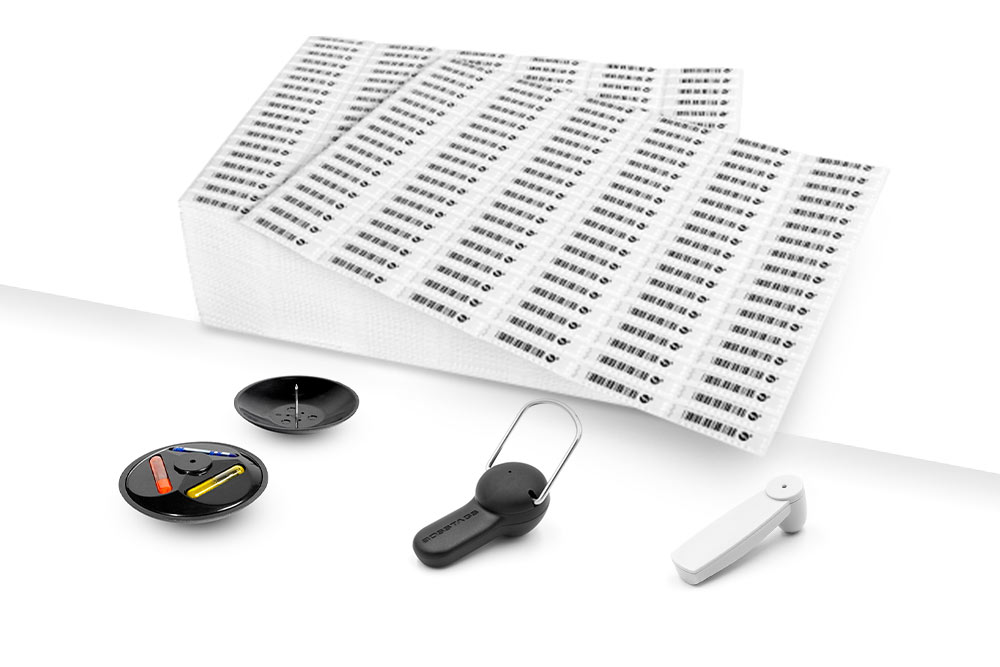
Electronic article surveillance systems, security tags, and other product-protection measures can provide another layer of defense. Their effectiveness depends on correct installation, regular testing, and employee awareness of how the systems work.
Retailers should also review footage and security alerts periodically. Patterns may reveal recurring problems that are not obvious from individual incidents.
4. Train Employees to Recognize Suspicious Behavior
Employees are often a retailer’s most valuable security resource. However, training should focus on behavior rather than appearance.
Staff can learn to recognize behaviors such as repeated attempts to avoid employee interaction, unusual attention to surveillance equipment, concealment attempts, or customers moving merchandise between packaging.
Training should also explain what employees should not do. Staff should never place themselves in unnecessary physical danger. Clear escalation procedures help employees know when to notify a supervisor or security professional.
5. Make Customer Service Part of Prevention
A simple greeting can have a surprisingly strong preventive effect. When employees acknowledge customers, potential offenders know they have been noticed.
This does not require aggressive monitoring. A helpful question such as, “Can I help you find a different size?” can create employee presence without making legitimate shoppers uncomfortable.
Customer service also keeps employees engaged on the sales floor. An employee who is actively assisting shoppers is more likely to notice unusual activity than someone working alone behind a counter.
6. Strengthen Fitting Room Controls
Fitting rooms deserve special attention in apparel stores. Establish reasonable procedures for monitoring the number of items taken into a fitting room and returning merchandise afterward.
Employees should check fitting rooms regularly for abandoned tags, packaging, or merchandise. The process should remain customer-friendly and consistent for everyone.
For higher-risk stores, controlled fitting-room access or additional surveillance around entrances may provide another layer of protection while respecting customer privacy.
7. Protect High-Risk Merchandise
Not every product needs the same level of protection. Concentrate security resources on items that are expensive, compact, popular, or frequently stolen.
Depending on the merchandise, retailers can use locked displays, security cases, product tags, controlled-access shelving, or strategic placement near staffed areas.
For example, placing small premium electronics close to a staffed service counter may provide meaningful protection without locking every product behind glass.
Common Mistakes That Weaken Retail Security
One common mistake is relying exclusively on surveillance cameras. Cameras can document incidents, but they do not necessarily prevent them. Visible employees, thoughtful layouts, and controlled merchandise placement create additional layers.
Another problem is inconsistent enforcement. If employees follow security procedures only occasionally, offenders may identify predictable weaknesses.
Retailers should also avoid treating every customer as a potential thief. Excessive monitoring can damage the shopping experience and create unnecessary confrontations.
Finally, businesses sometimes collect security data without reviewing it. Incident reports, inventory discrepancies, and camera observations become valuable only when managers use them to identify patterns and improve procedures.
Practical Tips From a Layered Security Approach
The most effective strategy is usually layered prevention. Instead of depending on one measure, combine several relatively simple controls.
Consider implementing a routine such as:
- Review shrinkage reports every month.
- Identify the products and departments with the highest losses.
- Inspect those areas for visibility problems.
- Verify that cameras and security equipment are functioning.
- Refresh employee training regularly.
- Adjust merchandise placement when patterns change.
- Record incidents consistently.
- Review whether prevention measures are actually reducing losses.
Managers should measure results rather than assuming a security improvement worked. If losses decrease after relocating a high-risk product, the change provides useful evidence. If incidents continue, the store can investigate another contributing factor.
It is also useful to involve employees in security reviews. Staff members who work on the sales floor every day often notice recurring behaviors, blind spots, or operational weaknesses that management may miss.
Conclusion
Reducing retail shrinkage requires more than reacting after merchandise disappears. Effective shoplifting prevention combines smart store design, employee engagement, appropriate technology, product controls, and consistent procedures.
The goal is not to create an intimidating environment. It is to reduce opportunities for theft while allowing legitimate customers to shop comfortably. By regularly analyzing losses, identifying vulnerabilities, and strengthening multiple layers of protection, retailers can improve security and protect profitability without sacrificing the customer experience.