When designing or renovating a kitchen, homeowners face dozens of important design decisions. One question that frequently comes up during kitchen renovations is whether cabinets should extend all the way to the ceiling or stop at a standard height.
Traditionally, kitchen cabinets left empty space above them, which was often used for decorative items. However, modern kitchen designs are shifting toward ceiling-height cabinets because they maximize storage and create a clean, seamless look.
But is installing cabinets to the ceiling always the best choice?
In this guide, we’ll explore the pros, cons, design considerations, and practical tips to help you decide whether ceiling-height cabinets are the right choice for your kitchen.
What Does It Mean for Cabinets to Go to the Ceiling?
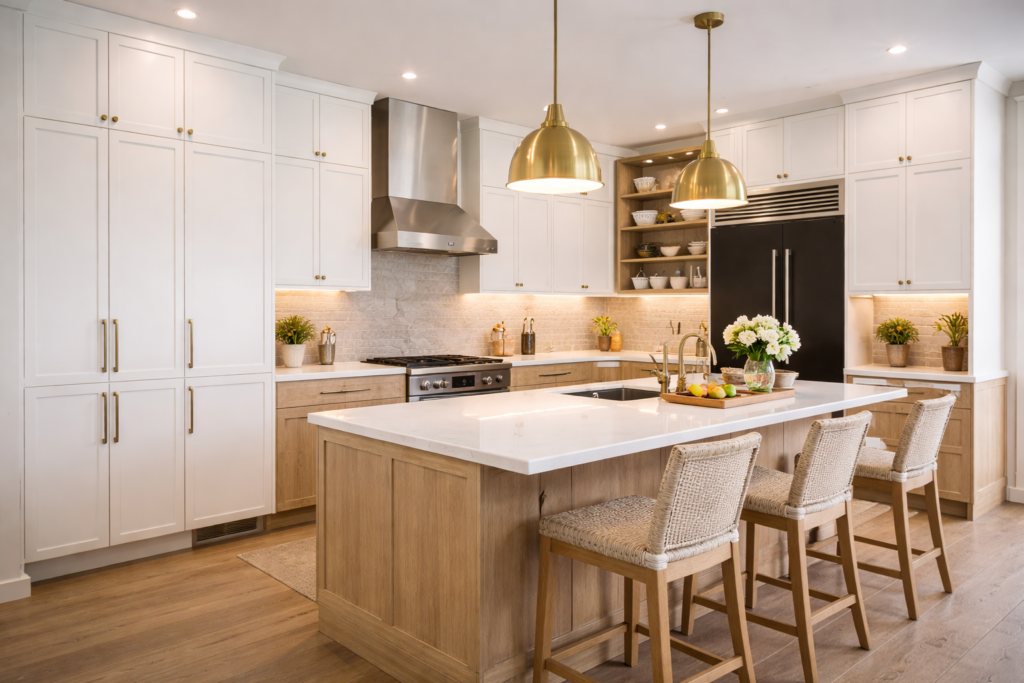
Ceiling-height cabinets extend from the countertop all the way up to the ceiling, eliminating the empty space typically left above traditional cabinets.
There are generally three common cabinet height approaches:
- Standard cabinets – usually about 30–36 inches tall, leaving space above.
- Extended cabinets – cabinets with decorative molding or a small upper cabinet.
- Full ceiling-height cabinets – cabinets that reach the ceiling completely.
Modern kitchens increasingly favor full-height cabinets because they create a streamlined design and increase storage capacity.
Homeowners planning brampton kitchen renovations often explore this option to make better use of vertical space, especially in smaller kitchens.
Pros of Ceiling-Height Kitchen Cabinets
Installing cabinets that reach the ceiling offers several benefits.
Increased Storage Space
One of the biggest advantages is additional storage.
Ceiling-height cabinets provide room for:
- seasonal cookware
- large serving dishes
- small appliances
- pantry items
Extra storage is especially valuable in compact kitchens.
A Clean and Seamless Look
Cabinets that extend to the ceiling create a more cohesive and polished appearance.
The design removes the visual gap above cabinets, making the kitchen feel:
- taller
- more modern
- more organized
Minimalist kitchen designs particularly benefit from this approach.
Eliminates Dust Collection
The empty space above traditional cabinets often collects dust and grease.
Ceiling-height cabinets remove this problem entirely, making cleaning easier.
Improved Kitchen Value
Modern kitchen designs tend to attract buyers who prefer functional storage and contemporary aesthetics.
High-end kitchen designs frequently include full-height cabinetry.
Many homeowners undertaking kitchen renovations in Toronto choose ceiling-height cabinets because they enhance the kitchen’s overall luxury appeal.
Cons of Ceiling-Height Kitchen Cabinets
Despite their advantages, ceiling-height cabinets may not be ideal for every kitchen.
Higher Installation Cost
Extending cabinets to the ceiling requires more materials and labor.
Additional costs may include:
- custom cabinetry
- molding installation
- structural adjustments
This can increase the total renovation budget
Accessibility Challenges
Upper cabinets that reach the ceiling may be difficult to access.
Homeowners often need a step stool to reach the highest shelves.
These cabinets are best used for storing rarely used items.
Not Ideal for Very High Ceilings
In kitchens with ceilings higher than 10 feet, full-height cabinets can appear overwhelming or impractical.
In such cases, designers may recommend:
- two-tier cabinets
- decorative molding
- open shelving
Design Flexibility Limitations
Some homeowners prefer displaying décor above cabinets.
Ceiling-height cabinets eliminate that decorative space.
When Should Cabinets Go to the Ceiling?
Ceiling-height cabinets work best in certain kitchen layouts.
Kitchens with Standard 8–9 Foot Ceilings
In these spaces, ceiling cabinets create a balanced design.
Small Kitchens Needing Extra Storage
Vertical storage can dramatically improve organization in smaller kitchens.
Modern or Minimalist Kitchen Designs
Contemporary kitchens benefit from the sleek appearance of tall cabinets.
Kitchens with Limited Wall Space
If appliances or windows reduce available wall space, vertical cabinets maximize storage.
Homeowners exploring kitchen renovations mississauga often use ceiling-height cabinets to increase storage without expanding the kitchen footprint.
Design Tips for Ceiling-Height Cabinets
Proper design planning ensures ceiling cabinets look balanced and functional.
Use Crown Molding for a Finished Look
Adding crown molding between cabinets and ceiling enhances visual appeal.
It helps integrate cabinets seamlessly into the room.
Incorporate Glass Cabinet Doors
Glass doors can break up large cabinet surfaces and add visual interest.
They work well for displaying dishes or decorative pieces.
Use Two-Tone Cabinet Colors
Combining different cabinet colors creates depth and contrast.
For example:
- darker lower cabinets
- lighter upper cabinets
Install Cabinet Lighting
Under-cabinet and inside-cabinet lighting improves visibility and enhances ambiance.
LED lighting is particularly popular in modern kitchens.
Choose Vertical Hardware
Long cabinet handles or vertical pulls emphasize height and create a modern aesthetic.
Alternatives to Full-Height Cabinets
If ceiling-height cabinets aren’t the right choice for your kitchen, several alternatives exist.
Decorative Molding Above Cabinets
Crown molding fills the gap above cabinets while maintaining traditional cabinet height.
Open Shelving
Open shelves create a lighter, more open kitchen design.
They also provide a place for decorative items.
Upper Glass Cabinets
Glass-front cabinets maintain visual openness while offering storage.
Two-Level Cabinets
Some kitchens use smaller cabinets above the main cabinets for extra storage.
Cost Considerations
Installing cabinets to the ceiling can affect renovation costs.
Factors influencing price include:
- cabinet material
- custom vs prefabricated cabinets
- ceiling height
- installation complexity
- design features
On average, ceiling-height cabinets may increase kitchen renovation costs by 10–20% compared to standard cabinets.
However, the added storage and modern appearance often justify the investment.
Conclusion
Choosing whether kitchen cabinets should go to the ceiling depends on your kitchen layout, design preferences, storage needs, and renovation budget.
Ceiling-height cabinets offer numerous benefits including increased storage, modern aesthetics, and easier cleaning. However, they may also involve higher costs and accessibility considerations.
By carefully evaluating your kitchen’s size, ceiling height, and storage requirements, you can determine the best cabinet design for your space.
When planned properly, ceiling-height cabinets can transform your kitchen into a functional, elegant, and visually striking space.
FAQs
1. Are kitchen cabinets to the ceiling worth it?
Yes, kitchen cabinets that reach the ceiling are often worth the investment, especially for homeowners who need additional storage and prefer a modern kitchen design. These cabinets maximize vertical space, allowing you to store items that are not used frequently. They also eliminate the empty space above cabinets where dust tends to accumulate. From a design perspective, ceiling-height cabinets create a sleek and seamless look that can make the kitchen appear larger and more organized. However, homeowners should consider accessibility and cost before deciding on this option.
2. What ceiling height works best for full-height cabinets?
Ceiling heights between 8 and 9 feet are ideal for full-height kitchen cabinets. In these kitchens, cabinets can extend to the ceiling without appearing disproportionate. For ceilings higher than 10 feet, designers often recommend alternative solutions such as stacked cabinets or decorative molding. This prevents cabinets from becoming difficult to access while maintaining visual balance within the kitchen.
3. Do ceiling-height cabinets make a kitchen look bigger?
Yes, ceiling-height cabinets can make a kitchen appear taller and more spacious. Because the cabinets extend upward, they draw the eye toward the ceiling and emphasize vertical space. This design approach is particularly effective in smaller kitchens where maximizing visual space is important. In addition, the seamless cabinet design reduces visual clutter, creating a cleaner and more modern appearance.
4. Are ceiling-height cabinets harder to install?
Ceiling-height cabinets can be more complex to install than standard cabinets because they require precise measurements and alignment with the ceiling. Installation may involve custom cabinetry, crown molding, and careful leveling to ensure a professional finish. Because of this complexity, many homeowners hire professional kitchen renovation contractors to ensure proper installation and avoid structural issues.
5. What is the most popular kitchen cabinet trend in 2026?
In 2026, one of the most popular kitchen cabinet trends is full-height cabinetry combined with minimalist design. Homeowners are choosing cabinets that extend to the ceiling to maximize storage and create a sleek, modern appearance. Other trends include two-tone cabinets, hidden storage solutions, smart cabinet lighting, and eco-friendly materials. These design choices help kitchens remain both functional and visually appealing for modern living.