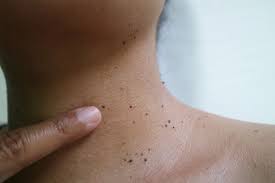
Skin tags are small, soft growths that commonly appear on areas where the skin folds or experiences friction. They can develop around the neck, under the arms, beneath the breasts, around the eyelids and in other parts of the body. Although skin tags are generally harmless, some people choose to have them removed because they catch on clothing, become irritated by jewellery or affect their appearance.
Before recommending removal, a practitioner needs to assess the growth carefully. Its size, location, shape and appearance all help determine the most appropriate approach. A small skin tag near the neck may require different considerations from a larger growth close to the eyelid or another sensitive area.
For people considering Skin Tag Removal in London, understanding how these factors influence the consultation can help them feel better prepared for their appointment. At Bodyvie Clinic, an assessment provides an opportunity to discuss the skin concern, establish whether it is consistent with a skin tag and explore suitable treatment options.
Understanding Skin Tags and Their Characteristics
Skin tags, medically known as acrochordons, are small growths that usually consist of soft tissue attached to the skin by a narrow base or stalk. They may be flesh-coloured, slightly darker than the surrounding skin or similar in appearance to other small skin growths.
Their characteristics can vary considerably. Some are tiny and barely noticeable, while others are more prominent or extend away from the skin on a narrow stalk. Skin tags may appear individually or in groups, depending on the person and the affected area.
Although their appearance is often distinctive, not every small skin growth is a skin tag. Other conditions can sometimes look similar, which is why a professional assessment is important before removal is considered.
During a consultation, the practitioner examines the growth and asks about its history. This may include when it first appeared, whether its appearance has changed and whether it causes discomfort through friction or contact with clothing.
These observations help establish whether the growth is suitable for a routine skin tag removal procedure or whether further assessment is needed.
Why Skin Tag Size Matters Before Removal
The size of a skin tag is one of the factors considered when selecting a removal method. Smaller growths may have a relatively narrow attachment to the skin, whereas larger skin tags can have a broader base or a more noticeable stalk.
A practitioner examines the dimensions of the growth and its attachment point rather than considering its size alone. The surrounding skin and the accessibility of the area are also relevant.
For example, a tiny skin tag on the side of the neck may be straightforward to assess because the growth is easy to see and reach. A similarly sized growth close to the eyelid may require a more careful examination because of the sensitivity of the surrounding area.
Larger skin tags may need additional consideration regarding their shape, attachment and the method most appropriate for their removal. The practitioner can explain the available options after determining the nature of the growth.
Size also helps inform discussions about the expected treatment process and the care required afterwards. However, there is no single size threshold that determines the right approach for every patient. The decision depends on the complete clinical assessment.
How the Attachment Point Influences Treatment Planning
The point where a skin tag connects to the skin is another important consideration. Some skin tags are attached by a thin stalk, while others have a wider base that sits closer to the skin’s surface.
A narrow stalk can make the attachment easy to identify during examination. A broader base may require the practitioner to look more closely at the growth’s structure before deciding how to proceed.
The attachment point is considered alongside the size and location of the skin tag. These features help the practitioner determine which removal technique may be appropriate and how precisely the area can be treated.
The surrounding skin also matters. If a growth is located in a fold or close to another skin feature, the practitioner may need to assess how best to access it.
Rather than relying on appearance alone, a professional evaluation establishes whether the growth has the typical characteristics of a skin tag and whether the proposed treatment is suitable.
Assessing Skin Tags on the Neck
The neck is a common location for skin tags because the area can experience repeated friction from clothing, collars, necklaces and skin-to-skin contact.
Skin tags may appear along the sides of the neck, near the collar line or across the front and back of the area. Some people develop several small growths, while others have one or two more noticeable tags.
During a consultation, the practitioner considers the size of each growth, its attachment point and its relationship to the surrounding skin. The number of skin tags may also influence how the treatment appointment is planned.
Accessibility is another factor. A growth in an exposed area may be easier to examine than one situated within a skin fold.
People seeking Skin Tag Treatment London may also wish to discuss whether their skin tags are repeatedly catching on necklaces or clothing. Explaining these concerns helps the practitioner understand why removal is being considered and identify the most relevant treatment priorities.
Considering Skin Tags Under the Arms
The underarm area is subject to regular movement, moisture and friction. These conditions can make existing skin tags more noticeable, particularly when they come into contact with clothing or during everyday activities.
Skin tags in this region may vary in size and number. Some are small and positioned close to the skin, while others have a more prominent stalk.
The practitioner assesses the growths individually, paying attention to their attachment points and the surrounding skin. The condition of the area is also considered because friction, shaving and other forms of irritation can affect the skin’s appearance.
The location may influence which removal method is suitable and how the area should be managed after treatment. The practitioner can explain the appropriate approach once the skin tags have been examined.
Patients should mention whether a growth has become uncomfortable or whether its appearance has changed. This information helps guide the assessment and determines whether the growth should be treated as a routine skin tag.
Evaluating Skin Tags Around the Eyelids
Skin tags close to the eyes require particular attention because the eyelid skin is delicate and the surrounding structures are sensitive.
Even a small growth may become noticeable if it is positioned along the eyelid or near the outer corner of the eye. Its location can also affect daily activities, such as applying makeup or wearing glasses.
The practitioner examines the growth’s appearance, size and precise position. The distance from the eyelid margin and the relationship to nearby structures are important considerations when deciding whether removal is appropriate.
Not every growth near the eye is a skin tag. Other types of skin lesions may have a similar appearance, so accurate identification is especially important in this area.
Treatment near the eyes may require a practitioner with appropriate expertise and suitable clinical facilities. Depending on the findings, referral to another suitably qualified professional may be recommended.
For this reason, patients should avoid attempting to remove eyelid growths themselves. A consultation helps establish the nature of the growth and identify an appropriate course of action.
Skin Tags Beneath the Breasts and Around Other Folds
Skin tags can also develop beneath the breasts, around the groin and in other areas where the skin folds or rubs together.
These locations can experience repeated friction and moisture, which may make skin tags more noticeable or prone to irritation. The position of a growth can also affect how easily it can be examined and accessed.
During the assessment, the practitioner considers the size and shape of the skin tag, its attachment and the condition of the surrounding skin. The number of growths and their proximity to sensitive areas may also influence treatment planning.
Patients should feel comfortable explaining whether the growths interfere with clothing, physical activity or personal comfort. Such details help the practitioner understand the practical concerns associated with the skin tags.
The removal method is selected according to the clinical findings and the location involved. Recommendations may differ between a skin tag in an easily accessible area and one positioned close to sensitive structures.
Why Accurate Identification Is Important
Although skin tags are common, some other skin lesions can resemble them. Moles, warts and certain other growths may sometimes be mistaken for skin tags without a closer examination.
A practitioner therefore considers more than size and location. The growth’s colour, surface, shape and attachment are also reviewed, alongside its history and any reported changes.
A growth that has changed noticeably, bleeds without an obvious cause or has an unusual appearance may require further evaluation before any removal procedure is considered.
The aim is to establish what the growth is and whether removal is appropriate. If the diagnosis is uncertain, the practitioner may recommend further assessment rather than proceeding with a routine treatment.
This step supports informed treatment planning and helps ensure that the selected approach is based on an accurate understanding of the skin concern.
How the Removal Method Is Selected
Once the practitioner has assessed the growth, they can discuss suitable removal methods. The choice depends on the type of lesion, its size, its attachment, its location and the patient’s individual circumstances.
Depending on the clinical findings, options may include techniques such as sterile snip removal, cautery or cryotherapy. Not every technique is suitable for every skin tag or body area, and the practitioner determines which approach is appropriate.
The number of growths may also influence the appointment plan. A patient with several small skin tags may have different treatment requirements from someone with one larger growth in a sensitive location.
The consultation should explain the recommended method and what the patient can expect during the appointment and subsequent skin care. Patients can also discuss their preferences and ask questions about the treatment process.
People exploring Skin Tag Removal Clinic London services should look for a clinic that assesses each growth before recommending removal, rather than assuming that every small skin lesion can be treated in the same way.
What to Expect at a Skin Tag Removal Consultation at Bodyvie Clinic
A consultation at Bodyvie Clinic provides an opportunity to discuss the growths that concern you and understand the options available.
The practitioner may ask when the skin tags appeared, whether they have changed and whether they cause irritation or interfere with everyday activities. They can then examine the relevant areas and consider the size, attachment and location of each growth.
If you have several skin tags, it can be useful to identify which ones you would most like assessed. You should also mention any previous treatment and any changes you have noticed in their appearance.
Following the examination, the practitioner can explain whether the growths appear consistent with skin tags and which treatment options may be suitable. If a lesion requires further assessment, this can be discussed before removal is planned.
The aim is to provide clear information and a treatment recommendation based on the individual skin concern, helping patients make informed decisions about their care.
Conclusion
Skin tag size and location are important factors when assessing whether removal is appropriate and selecting a suitable treatment method. Smaller growths with narrow attachment points may require different considerations from larger skin tags or those positioned near delicate structures.
The neck, underarms, eyelids and skin folds each present distinct assessment considerations. A practitioner also examines the growth’s appearance, attachment and history to establish whether it is genuinely a skin tag.
For those considering Skin Tag Removal in London, a professional consultation at Bodyvie Clinic provides an opportunity to discuss individual concerns, understand the available options and receive a personalised recommendation. Careful assessment helps ensure that treatment planning reflects the characteristics of the growth and the needs of the patient.
Frequently Asked Questions
1. Does the size of a skin tag affect its removal?
Yes. Size can influence the removal method, particularly when a growth has a broad attachment or a more prominent stalk. The practitioner also considers its location and surrounding skin before recommending treatment.
2. Where do skin tags commonly develop?
Skin tags commonly appear on the neck, underarms, eyelids, beneath the breasts and around other skin folds. They can develop wherever skin experiences repeated friction, although their location varies between individuals.
3. Can small skin tags be removed during a consultation?
This depends on the clinic’s appointment arrangements, the assessment findings and the suitability of the growth for treatment. The practitioner can explain whether removal can be planned at the initial appointment or whether another appointment is needed.
4. Are skin tags near the eyes assessed differently?
Yes. The skin around the eyes is delicate, and the precise position of a growth is important. The practitioner must establish whether it is a skin tag and determine whether treatment can be performed appropriately in that location.
5. Does the attachment point affect the removal method?
Yes. A skin tag with a narrow stalk may require a different approach from one with a wider base. The practitioner examines the attachment point alongside the growth’s size, location and overall appearance.
6. Can several skin tags be assessed at the same appointment?
Yes. Multiple growths can be discussed during one consultation. The practitioner can examine each relevant area and explain whether the growths are suitable for removal and how treatment may be organised.
7. What happens if a growth does not look like a typical skin tag?
The practitioner may recommend further assessment before removal. This is important because some moles, warts and other skin lesions can resemble skin tags, and the correct identification determines the appropriate next step.
8. Should I remove a skin tag at home?
It is best to seek professional advice rather than cutting, tying off or using unverified removal products on a skin tag. A practitioner can confirm what the growth is and recommend a suitable approach for its location and characteristics.
9. What should I tell the practitioner during my consultation?
Mention when the growth appeared, whether it has changed, whether it causes irritation and whether you have previously had it assessed or treated. These details help the practitioner understand the concern and plan the next steps.
10. Where can I arrange skin tag removal in London?
You can contact Bodyvie Clinic to discuss a consultation for skin tag assessment and removal. The practitioner can examine the growths, consider their size and location, and explain which treatment options may be suitable for your needs.