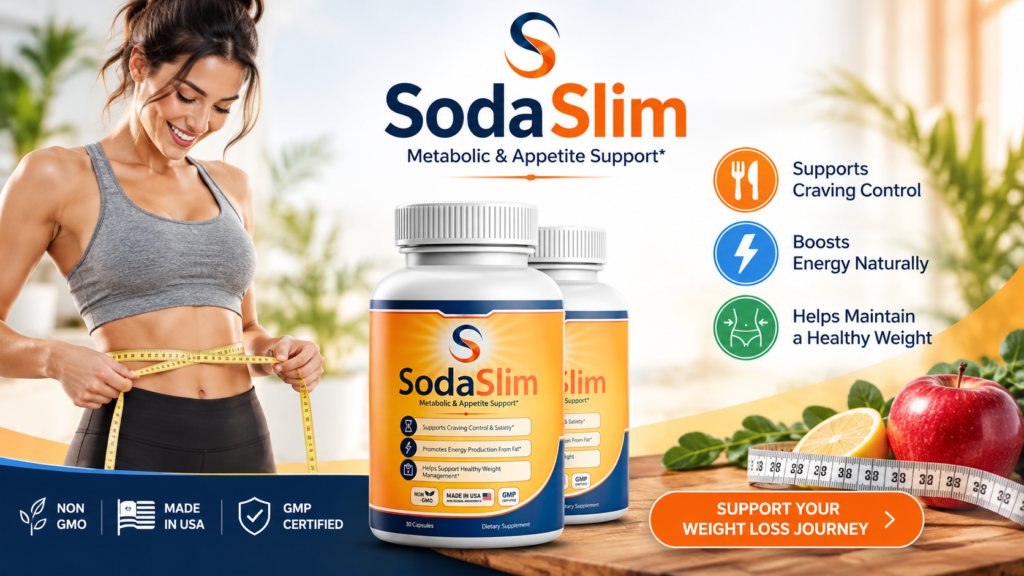
Soda Slim
Weight management is a common goal for adults who want to feel more energetic, improve their daily routines, and support their overall well-being. However, achieving sustainable weight loss is not always easy. Busy schedules, changing eating habits, limited physical activity, stress, and inconsistent sleep can make it difficult to maintain progress.
As interest in weight-management supplements continues to grow, products such as Soda Slim have attracted attention from people looking for additional support on their wellness journey. But before choosing any supplement, it is worth understanding how weight loss works, which daily habits matter most, and what consumers should consider when evaluating a product.
What Is Soda Slim?
Soda Slim is marketed as a weight-management supplement for adults interested in supporting their wellness goals. People researching this product may want to understand its intended purpose, ingredient information, recommended use, and potential role in a broader weight-loss routine.
However, it is important to distinguish product marketing from established scientific evidence. A supplement’s advertised purpose does not prove that it produces meaningful weight loss, reduces appetite, or changes metabolism.
Before considering Soda Slim, consumers should examine the product’s current label and verify the ingredient list, serving instructions, manufacturer information, and safety warnings. The exact ingredients and their amounts are particularly important when evaluating a dietary supplement.
A careful review should also consider whether research supports the specific ingredients at the doses included in the product and whether reliable human studies have evaluated the finished formula.
Soda Slim should be considered an optional supplement rather than a replacement for balanced nutrition, physical activity, or appropriate healthcare.
How Can a Weight-Management Supplement Fit Into a Wellness Routine?
People often explore supplements because they want additional support while working toward their health goals. Yet supplements vary considerably in their ingredients, quality, and available evidence.
When evaluating Soda Slim or another weight-management product, consumers should consider several questions.
Is the Ingredient List Clearly Available?
A transparent ingredient label helps consumers understand what they are taking. It also makes it easier to identify potential allergens, check ingredient amounts, and discuss possible interactions with a healthcare professional.
If a product does not clearly disclose its ingredients or serving quantities, it becomes more difficult to assess its potential benefits and risks.
Is There Reliable Evidence?
Scientific evidence should be relevant to the actual ingredient, dose, and product being considered. Research involving one ingredient does not automatically prove that a finished supplement containing several ingredients will produce the same results.
Consumers should be cautious of dramatic weight-loss promises, unsupported claims about fat burning, or suggestions that a supplement works without any lifestyle changes.
Does It Suit Individual Needs?
A product that is appropriate for one adult may not be suitable for another. Existing medical conditions, prescription medications, allergies, and individual nutritional needs can affect supplement safety.
People with ongoing health concerns should consult a qualified healthcare professional before starting a new supplement.
The Importance of Balanced Nutrition for Weight Management
Food choices play an important role in weight management. A balanced eating pattern can help provide essential nutrients, support energy levels, and make meals more satisfying.
Rather than following an extremely restrictive diet, many adults find it easier to make gradual changes that fit their preferences, budget, and schedule.
Include Protein-Rich Foods
Protein can help support muscle maintenance and promote feelings of fullness. Suitable options include eggs, fish, poultry, beans, lentils, tofu, yogurt, and other protein-rich foods.
Including a source of protein in meals may help make a balanced eating pattern more satisfying. Individual needs vary, so people with medical conditions that affect protein intake should follow professional dietary advice.
Eat More Fiber-Rich Foods
Vegetables, fruits, beans, whole grains, nuts, and seeds provide dietary fiber. Fiber supports digestive health and can help meals feel more filling.
Adding vegetables to lunch and dinner, choosing whole grains more often, and including fruit as a snack are simple ways to increase fiber intake.
Pay Attention to Portion Sizes
Portion awareness can help people understand their eating habits without eliminating entire food groups. Eating slowly, using appropriate serving sizes, and recognizing hunger and fullness cues may support more mindful choices.
There is no single portion size that works for everyone. Energy needs differ according to body size, activity, age, and health circumstances.
Consider Beverage Choices
Sugary drinks can contribute substantial calories without always creating the same feeling of fullness as solid foods. Replacing some sugary beverages with water or unsweetened drinks may be a practical change for adults who consume them frequently.
This does not mean every beverage must be avoided. The aim is to create an overall eating pattern that supports health and is realistic to maintain.
Physical Activity and Its Role in Weight Loss
Physical activity supports more than weight management. It can contribute to cardiovascular health, strength, mobility, mood, and general well-being.
People who are new to exercise do not necessarily need an intense workout plan. Starting with manageable activities and gradually increasing movement can make it easier to build consistency.
Walking as a Starting Point
Walking is accessible to many adults and can be incorporated into everyday activities. Short walks during breaks, after meals, or while completing errands can help reduce sedentary time.
The appropriate amount of activity depends on individual fitness, health, and mobility. Adults with physical limitations or medical concerns should choose activities with guidance from a healthcare professional when needed.
Include Strength-Building Activities
Strength training can help maintain muscle during weight loss. Depending on ability and experience, this may involve resistance bands, bodyweight movements, free weights, or gym equipment.
Beginners should focus on proper technique and gradual progression instead of attempting demanding routines immediately.
Focus on Consistency
An occasional intense workout is less useful as a long-term strategy than a realistic activity pattern that can be repeated regularly.
Some people prefer walking, while others enjoy cycling, swimming, dancing, or group fitness classes. Choosing enjoyable activities may make it easier to remain active over time.
Sleep, Stress, and Everyday Habits
Weight management is influenced by more than food and exercise. Sleep and stress can affect appetite, motivation, energy, and the ability to maintain daily routines.
Make Sleep a Priority
Insufficient sleep may influence hunger signals, food preferences, and energy levels. Establishing a regular sleep schedule and creating a comfortable nighttime routine can help support better sleep habits.
Limiting late-night screen use, keeping the bedroom comfortable, and avoiding excessive caffeine late in the day may be helpful for some people.
Persistent sleep problems should be discussed with a healthcare professional.
Find Practical Ways to Manage Stress
Stress can affect eating patterns. Some people eat more when stressed, while others lose their appetite or skip meals.
Simple practices such as walking outdoors, breathing exercises, stretching, journaling, or spending time on enjoyable activities may help people manage everyday stress.
These strategies are not a replacement for professional mental health support when needed, but they can be useful parts of a broader wellness routine.
Avoid All-or-Nothing Thinking
Missing a workout or eating a larger meal than planned does not mean that progress has failed. Weight management involves patterns over time rather than individual decisions.
Returning to regular habits after an unexpected change is often more practical than responding with severe restriction or excessive exercise.
Common Weight-Loss Mistakes to Avoid
Unrealistic expectations can make weight management unnecessarily stressful. Understanding common mistakes may help adults create a safer and more sustainable approach.
Expecting immediate results: Body weight can fluctuate because of water balance, digestion, hormones, and other factors. Short-term changes do not always represent changes in body fat.
Skipping meals unnecessarily: Restrictive eating may leave some people excessively hungry or low on energy. A suitable meal pattern should provide enough nutrients to meet individual needs.
Relying entirely on supplements: No supplement should be assumed to replace healthy eating, regular movement, sleep, or medical care.
Following extreme diets: Highly restrictive plans may be difficult to maintain and can create nutritional problems. People with specific dietary needs should seek qualified guidance.
Comparing progress with others: Individuals differ in their health history, starting point, routines, and response to lifestyle changes. Personal progress should be evaluated in context.
Ignoring medical factors: Some medications and health conditions can affect body weight. If weight changes unexpectedly or progress is difficult despite consistent habits, professional advice may help identify contributing factors.
Soda Slim Benefits: What Should Consumers Expect?
People searching for Soda Slim benefits should look for evidence rather than relying solely on promotional language.
A product may be marketed for weight management, but its actual effects depend on its formula, ingredient quantities, product quality, and the person using it. Without adequate product-specific research, it is not possible to promise a particular amount of weight loss or a predictable change in appetite or metabolism.
Consumers should review the product label and ask whether reliable studies support the formula. They should also consider the cost, possible side effects, and whether the supplement fits their individual circumstances.
A sensible expectation is to evaluate Soda Slim as one possible component of a broader wellness plan, not as a shortcut to a particular body weight.
Safety Considerations Before Using Soda Slim
Dietary supplements can cause side effects, and some ingredients may interact with prescription medicines or other supplements. Natural ingredients are not automatically safe for every person.
Before using Soda Slim, consumers should:
- Read the complete ingredient list and serving instructions.
- Check for potential allergens and relevant warnings.
- Consult a healthcare professional if they take medication or have an existing medical condition.
- Seek advice before use during pregnancy or breastfeeding.
- Avoid exceeding the recommended serving.
- Be cautious of products promising guaranteed or unusually rapid weight loss.
People experiencing unexplained weight changes, persistent fatigue, or other ongoing symptoms should consider medical evaluation rather than relying on a weight-management supplement.
It is also important to verify the seller’s identity, product labeling, shipping conditions, and refund policy before making a purchase.
Setting Realistic Weight-Management Goals
A practical weight-management plan begins with goals that are measurable and achievable. Instead of focusing only on a number on the scale, adults may also track habits that contribute to overall health.
Examples include preparing balanced meals more frequently, walking regularly, getting consistent sleep, or reducing the frequency of sugary beverages.
Keeping a simple record of these habits can help identify what is working and where adjustments may be useful. Some people may also benefit from guidance from a registered dietitian or another qualified healthcare professional.
Weight is only one measure of health. Energy, strength, mobility, blood pressure, blood glucose, and other indicators may also be relevant, depending on individual circumstances.
People who have a history of disordered eating or find weight tracking emotionally difficult should seek an approach that prioritizes overall well-being and appropriate professional support.
Frequently Asked Questions
What is Soda Slim?
Soda Slim is marketed as a weight-management supplement. Consumers should review its current product label and available evidence to understand the formula and assess whether it may be appropriate for their needs.
Can Soda Slim guarantee weight loss?
No supplement should be assumed to guarantee weight loss. Results depend on multiple factors, and the effectiveness of Soda Slim cannot be established without reliable evidence on its actual formulation.
Can I use Soda Slim without changing my lifestyle?
A supplement should not be viewed as a substitute for balanced nutrition, physical activity, and other health-supporting habits. Sustainable weight management generally requires an approach suited to individual needs and circumstances.
How long does weight loss take?
The timeline varies according to starting weight, health, lifestyle, and other factors. Gradual progress is generally more sustainable than attempting rapid changes through extreme restriction.
Does Soda Slim have side effects?
Potential side effects depend on the ingredients, amounts, and individual health circumstances. Review the label and consult a qualified healthcare professional if you have concerns about safety or medication interactions.
What should I check before purchasing Soda Slim?
Check the ingredient list, serving instructions, manufacturer details, total cost, shipping fees, and refund conditions. Avoid making decisions based solely on dramatic advertising claims.
Is exercise necessary for weight management?
Exercise is beneficial for overall health and can support weight management, but the most appropriate activity plan varies by person. Nutrition, sleep, daily movement, and medical factors also influence results.
Final Thoughts
Weight management is a personal process that involves more than choosing a supplement. Balanced nutrition, regular physical activity, adequate sleep, stress management, and realistic expectations can all contribute to a healthier routine.
Soda Slim is marketed for weight-management support, but consumers should verify its ingredients and look for reliable evidence before deciding whether it fits their needs. Product claims should not be treated as guarantees, and a supplement should never replace appropriate medical care.
The most useful approach is to make informed decisions, build habits that can be maintained over time, and seek professional guidance when necessary. By focusing on long-term well-being instead of quick fixes, adults can make choices that better support their individual health goals.
Disclaimer: This article is for educational purposes only and is not medical advice. Consult a qualified healthcare professional before starting a dietary supplement or making significant changes to your diet or exercise routine.