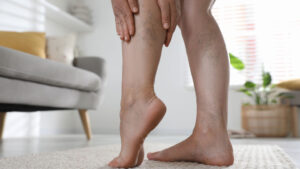
Spider veins are small, visible blood vessels that can appear close to the surface of the skin. They often create red, purple, or bluish patterns resembling fine branches or webs. Although they are frequently a cosmetic concern, some people may also notice heaviness, aching, or other changes around the affected areas.
For people considering treatment, modern vein-care approaches can focus on improving the visible appearance of the legs while selecting an option suited to the size, location, and characteristics of the veins. Sclerotherapy, laser-based approaches, and other vein treatments may be considered depending on an individual’s assessment. NHS information describes sclerotherapy as an established method for closing certain abnormal veins, while laser and other energy-based treatments can be used for selected visible blood vessels.
When researching Spider Veins In Manchester, understanding the available options, treatment process, expected results, and factors that influence cost can help you make a more informed decision.
What Are Spider Veins?
Understanding Visible Surface Veins
Spider veins, also known as thread veins or telangiectasia, are small blood vessels that become visible beneath the skin. They commonly appear on the thighs, calves, ankles, and other areas of the legs.
They may look like:
- Fine red lines
- Blue or purple branches
- Small web-like clusters
- Starburst-shaped groups of veins
- Networks of very fine visible vessels
The appearance can vary considerably from one person to another. Some people may have only a few isolated veins, while others may have larger networks covering sections of the legs.
Why Spider Veins Become Visible
Several factors may contribute to the development or increased visibility of spider veins. These can include age, hormonal changes, genetics, prolonged periods of standing or sitting, and changes in circulation.
Spider veins are generally located close to the skin surface, which makes them more noticeable than deeper veins. NHS guidance describes thread or spider veins as tiny prominent veins just below the skin that commonly occur on the legs and face.
Spider Veins In Manchester: Why Treatment Is Considered
Improving the Appearance of the Legs
For many people, spider veins are primarily an aesthetic concern. They may make the skin appear uneven or cause someone to feel less comfortable wearing shorts, skirts, dresses, or swimwear.
Treatment can be considered when someone wants to reduce the visibility of these vessels and achieve a more even-looking skin appearance.
Supporting Individualised Vein Care
Not every visible vein requires the same approach. Smaller superficial vessels may be approached differently from larger veins or veins associated with underlying venous problems.
A professional assessment can help determine whether the visible vessels are isolated spider veins or whether they may be associated with larger veins beneath the skin.
Common Treatment Options for Spider Veins
Sclerotherapy
Sclerotherapy is one of the established treatment approaches for certain visible veins. During the procedure, a specialised solution is introduced into the targeted vein. The treatment is designed to make the treated vessel close and gradually become less visible.
NHS patient information explains that sclerotherapy involves injecting a sclerosant into a vein, with the body subsequently breaking down the treated vessel.
For smaller surface veins, microsclerotherapy may be considered. The exact technique and solution used depend on the veins being treated and the clinician’s assessment.
Laser Treatment
Laser-based treatment may be considered for selected superficial blood vessels. The technology delivers concentrated energy toward the targeted vessels, with the aim of reducing their visibility.
Laser and intense pulsed light approaches are used for certain types of visible blood vessels because the energy can target the vessels while limiting exposure to surrounding tissue.
Whether laser treatment is appropriate depends on factors such as vessel size, colour, depth, skin characteristics, and the area being treated.
Combination Approaches
In some situations, more than one treatment method may be considered. For example, different types or sizes of visible veins may respond better to different techniques.
A personalised treatment plan can therefore be more appropriate than selecting a procedure based only on the general appearance of the veins.
How Spider Vein Treatment Is Planned
Initial Consultation
A consultation normally begins with an examination of the affected areas. The clinician may assess:
- The number of visible veins
- Their colour and size
- Their distribution across the legs
- Whether veins appear superficial or deeper
- Any associated symptoms
- Previous vein treatments
- General health and relevant medical history
The purpose is to understand the characteristics of the veins before recommending an appropriate treatment approach.
Assessing Underlying Veins
Spider veins can sometimes occur alongside larger varicose veins or other venous problems. If there are signs suggesting an underlying issue, further assessment may be appropriate.
For people with suspected symptomatic venous disease, clinical guidance recommends assessment that can include examination and Duplex ultrasound.
Creating a Personalised Treatment Plan
Once the veins have been assessed, the treatment approach can be selected according to the individual’s needs. Factors such as the size and location of the vessels, treatment goals, and previous procedures can all influence the recommendation.
What Happens During Treatment?
Preparing the Treatment Area
Before treatment, the area is examined and the veins requiring attention may be identified. The exact preparation depends on the chosen procedure.
For injection-based treatments, the clinician identifies the appropriate vessels before carefully introducing the treatment solution.
Targeting the Visible Veins
With sclerotherapy, the solution is introduced directly into selected veins. The aim is to close the treated vessel so that it gradually becomes less noticeable.
With laser-based procedures, controlled energy is directed toward the targeted blood vessels.
The techniques differ, but both are designed to address visible vessels rather than simply covering their appearance.
After the Procedure
The post-treatment experience depends on the technique used and the extent of treatment. Patients may receive specific aftercare instructions concerning activity, skincare, compression, and follow-up.
Following professional aftercare guidance can help support the intended treatment process.
What Can Influence Spider Veins Treatment Cost?
Number of Veins Being Treated
The amount of treatment required is an important consideration. A small area with a limited number of visible vessels may require a different treatment plan from extensive networks covering multiple areas.
Treatment Area
The location and size of the treatment area can influence the overall treatment plan. Treating several areas may require more time and potentially more than one session.
Treatment Technique
Different treatment methods have different equipment, appointment, and clinical requirements. Consequently, the selected approach can influence the overall price.
Number of Sessions
Some people may require more than one treatment session to achieve their desired level of improvement. The number of sessions depends on factors such as the extent of the veins and how they respond to treatment.
People researching treatment abroad may also encounter searches such as Spider Veins in Manchester and Spider Veins Cost In Manchester. These are separate location-based searches, and treatment prices should always be assessed according to the specific clinic, procedure, treatment area, and individual treatment plan rather than assuming that one location has a universal price.
Choosing a Clinic for Spider Veins Treatment
Look for Appropriate Clinical Assessment
A good treatment experience begins with an appropriate assessment. The clinic should be able to evaluate the visible veins and determine whether the concern is primarily superficial or whether further vascular assessment may be appropriate.
Consider the Treatment Technology
Different technologies are suitable for different vein characteristics. Rather than selecting a treatment simply because it is widely advertised, patients can ask why a particular technique has been recommended for their individual veins.
Discuss Your Desired Outcome
Treatment goals can differ. Some people want to reduce a few noticeable veins, while others want improvement across a larger area of the legs.
Clearly explaining your expectations during consultation can help the clinician develop a more suitable treatment plan.
Why Professional Advice Matters
Spider Veins Can Differ From Varicose Veins
Although spider veins and varicose veins are both associated with visible veins, they are not identical. Spider veins are generally smaller and closer to the surface, while varicose veins are larger and may become raised or twisted.
Larger or symptomatic veins may require a different form of assessment and treatment. NHS guidance lists treatments such as endothermal ablation and ultrasound-guided foam sclerotherapy among approaches used for appropriate varicose vein cases.
Assessment Helps Match Treatment to the Veins
The most suitable treatment depends on the individual rather than simply the name of the condition. A professional can determine whether sclerotherapy, laser treatment, or another approach is more appropriate.
Maintaining a More Even-Looking Leg Appearance
Following Aftercare Instructions
After treatment, following the clinic’s specific aftercare guidance is an important part of the process. Instructions may vary depending on whether the treatment involved injections, laser technology, or another technique.
Maintaining Regular Movement
Regular movement supports normal circulation and can be incorporated into a healthy lifestyle. Depending on the treatment performed, the clinician may provide specific recommendations regarding walking and exercise.
Scheduling Follow-Up Appointments
Follow-up appointments can allow the clinician to assess how the treated vessels are progressing and determine whether additional treatment is appropriate.
Spider Veins In Manchester: What Should You Expect From Treatment?
A Gradual Improvement
The appearance of treated veins may not change immediately. Depending on the treatment method, the vessels can gradually become less noticeable over time.
For sclerotherapy, NHS patient information explains that the body’s natural processes gradually remove the treated vein after it has been closed.
Individual Results Can Vary
Every person’s veins and skin are different. The number of vessels, their size, treatment method, and individual response can all influence the final appearance.
It is therefore useful to approach treatment with realistic expectations and discuss the likely outcome during consultation.
Why Consider Professional Vein Care in Manchester?
Manchester offers access to a wide range of modern medical and aesthetic services. For someone considering treatment, selecting a clinic that provides an appropriate consultation and personalised treatment plan can be more important than choosing a procedure based solely on price.
SLA Medical Clinic in Manchester provides vein-care services for people specifically researching treatment options in Manchester. If your search is focused on Manchester, however, your treatment should be assessed according to the local clinic, available technology, clinician expertise, and your individual vein characteristics.
Frequently Asked Questions About Spider Veins In Manchester
Can spider veins be treated?
Yes. Several treatment approaches can be considered for visible spider veins, including sclerotherapy and selected laser-based treatments. The most suitable option depends on the characteristics of the veins.
Is sclerotherapy suitable for spider veins?
Sclerotherapy is commonly used for certain visible veins, particularly smaller superficial veins. A clinician can determine whether it is suitable after examining the affected area.
How long does spider vein treatment take?
Treatment time depends on the size of the treatment area, the number of veins, and the selected technique. Smaller areas may require relatively short appointments, while more extensive treatment may take longer.
Will one treatment session be enough?
Not necessarily. Some people may achieve their desired improvement with a single session, while others may benefit from additional sessions. This depends on the number and characteristics of the veins and their response to treatment.
Does spider vein treatment improve the appearance of the legs?
The primary purpose of cosmetic spider vein treatment is to reduce the visibility of targeted vessels and create a more even-looking appearance. The degree of improvement varies between individuals.
How much does spider vein treatment cost?
There is no single price for spider vein treatment. Cost can depend on the treatment technique, treatment area, number of veins, number of sessions, and clinic. A personalised quotation following assessment is generally more meaningful than a standard online price.
Conclusion
Spider veins can create visible red, blue, or purple patterns across the legs, leading many people to explore options for achieving a smoother and more even-looking appearance. Modern treatments such as sclerotherapy and selected laser approaches can provide ways of targeting these visible vessels.
When considering Spider Veins In Manchester, an individual assessment is an important starting point. The size, location, number, and characteristics of the veins can all influence which treatment approach is most appropriate. Understanding the available options and discussing your goals with a qualified professional can help you choose a treatment plan that is suited to your needs.
For people specifically researching Dubai-based treatment, SLA Medical Clinic in Manchester can be considered as a separate location-specific option, while Manchester patients should focus on clinics and practitioners providing appropriate local assessment and vein-care services.