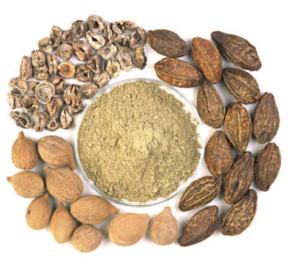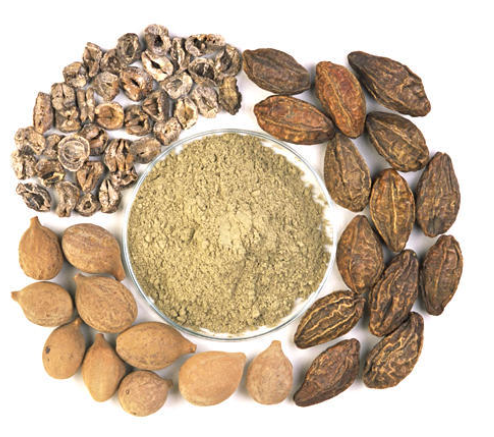
Terminalia Chebula Extract is a botanical ingredient derived from the fruit of Terminalia chebula, a plant traditionally valued in Ayurvedic practices. Today, this botanical is receiving attention from nutraceutical, pharmaceutical, food, and wellness industries because of its naturally occurring bioactive compounds. Standardized botanical extracts can offer manufacturers a convenient way to incorporate plant-based ingredients into modern formulations while maintaining consistent quality and composition.
Understanding Terminalia Chebula Extract
The fruit of Terminalia chebula contains naturally occurring tannins, phenolic compounds, flavonoids, and other phytochemicals. The concentration and composition of these constituents can vary according to cultivation conditions, harvesting practices, extraction techniques, and processing methods. For this reason, manufacturers often focus on standardized extraction processes and quality testing to achieve consistent batches.
Terminalia Chebula Extract can be developed in different specifications depending on the intended application. Factors such as extract ratio, active-marker content, solubility, appearance, and microbiological quality may be considered when selecting a botanical ingredient for a finished formulation.
Botanical Profile and Natural Constituents
Terminalia chebula belongs to the Combretaceae family and is commonly associated with traditional herbal preparations. Its fruit has been studied for its diverse phytochemical profile, particularly its polyphenolic compounds and tannins.
From a formulation perspective, Terminalia Chebula Extract provides manufacturers with a plant-based ingredient that can be incorporated into capsules, tablets, powders, functional blends, and other nutraceutical formats. The choice of extraction method can influence the final phytochemical profile and should therefore be matched to the desired product specifications.
Importance of Standardized Botanical Extracts
Consistency is one of the most important considerations when working with botanical ingredients. Raw plant materials can naturally vary in their chemical composition, which may affect the characteristics of the finished extract.
A properly produced Terminalia Chebula Extract is typically evaluated through quality-control procedures that may include identity testing, active-marker analysis, microbial testing, heavy-metal assessment, and other relevant parameters. Such testing supports batch-to-batch consistency and helps manufacturers select ingredients that meet their formulation requirements.
Applications in Nutraceutical Formulations
Modern consumers are increasingly interested in plant-based and botanical ingredients. This trend has encouraged product developers to explore traditional herbs alongside contemporary formulation technologies.
Terminalia Chebula Extract can be considered for a variety of nutraceutical formulations, particularly products designed around botanical blends and antioxidant-focused ingredient concepts. It can also be combined with complementary plant ingredients when the formulation objective requires a broader phytochemical profile.
However, the appropriate specification, dosage, formulation compatibility, and regulatory requirements should always be assessed according to the intended market and finished-product application.
White Kidney Bean Supplements and Botanical Formulation Trends
White Kidney Bean Supplements are another example of plant-derived ingredients being incorporated into modern nutritional products. White kidney bean is commonly associated with Phaseolus vulgaris and is studied for its naturally occurring components, including proteins and other plant constituents.
When developing White Kidney Bean Supplements, manufacturers need to consider raw-material quality, extract specifications, standardization, processing conditions, and finished-product stability. These considerations are equally important when combining white kidney bean ingredients with other botanical materials.
The growing interest in White Kidney Bean Supplements reflects a wider consumer preference for recognizable plant-based ingredients. Product developers may use such ingredients in capsules, tablets, powders, and combination formulations, depending on regional regulations and intended product positioning.
Combining Botanical Ingredients
Multi-ingredient formulations can bring together botanical materials with different phytochemical profiles. The formulation process should consider ingredient compatibility, stability, sensory characteristics, processing requirements, and analytical specifications.
For example, White Kidney Bean Supplements may be formulated alongside other plant-derived ingredients where scientifically and commercially appropriate. Similarly, Terminalia Chebula Extract can be included in botanical combinations designed around specific formulation concepts.
Careful ingredient selection is essential because differences in extract ratios, carriers, particle sizes, moisture content, and active-marker concentrations can influence the performance of a finished product.
Cinnamon Powder Extract as a Complementary Botanical Ingredient
Cinnamon Powder Extract is another plant-derived ingredient used across food, beverage, nutraceutical, and wellness formulations. Cinnamon is obtained from species of the Cinnamomum genus and contains naturally occurring aromatic compounds and polyphenolic constituents.
Cinnamon Powder Extract may be available in different specifications depending on the plant source and manufacturing process. Product developers should examine botanical identity, purity, active constituents, microbial quality, and other relevant parameters before incorporating it into a formulation.
The versatility of Cinnamon Powder Extract makes it suitable for various ingredient concepts, including botanical blends and functional food formulations. Its characteristic aroma and flavor may also influence the sensory profile of a finished product.
Quality Considerations for Cinnamon-Based Ingredients
When sourcing Cinnamon Powder Extract, manufacturers should evaluate the ingredient according to the requirements of the intended application. Important considerations may include botanical authentication, extraction method, moisture content, particle characteristics, microbial limits, contaminants, and applicable regulatory standards.
Standardized production practices can help maintain predictable ingredient quality. This is particularly relevant when botanical extracts are used in products manufactured at commercial scale.
Manufacturing and Supply of Botanical Ingredients
Reliable botanical ingredient manufacturing involves more than extraction alone. It includes responsible raw-material sourcing, controlled processing, analytical testing, documentation, packaging, and appropriate storage.
A quality-focused manufacturer of Terminalia Chebula Extract should maintain appropriate controls throughout the production process. This may include supplier qualification, raw-material identification, extraction control, in-process testing, final-product analysis, and traceability.
For businesses developing White Kidney Bean Supplements, the same principles apply. Consistent raw materials and documented specifications can help support reliable production and finished-product quality.
Selecting the Right Extract Specification
Different products require different ingredient characteristics. A powder intended for direct blending may require different physical properties from an extract designed for encapsulation or liquid formulation.
Before selecting Cinnamon Powder Extract, manufacturers should establish their technical requirements, including the desired active-marker profile, physical characteristics, solubility, dosage form, packaging, and shelf-life expectations.
Likewise, the specification for Terminalia Chebula Extract should be selected according to the intended application rather than relying solely on the botanical name. Clear technical documentation helps formulation teams evaluate whether an ingredient is appropriate for their product.
Research and Responsible Formulation
Botanical ingredients have a long history of traditional use, while modern research continues to investigate their phytochemical characteristics and potential applications. However, traditional use should not automatically be interpreted as proof of a specific health benefit.
Manufacturers should therefore use scientifically appropriate information when developing products containing Terminalia Chebula Extract. Product claims should comply with the regulations applicable to the target market, and formulation decisions should be supported by suitable technical and safety assessments.
Similarly, White Kidney Bean Supplements should be developed with attention to evidence, product specifications, dosage considerations, and applicable regulatory requirements.
Role of Botanic Healthcare
Botanic Healthcare focuses on botanical and plant-based ingredient solutions for modern formulation needs. The company works with botanical ingredients and extract-based materials intended for industries such as nutraceuticals, pharmaceuticals, food, beverages, and cosmetics.
For manufacturers looking for consistent botanical ingredients, Cinnamon Powder Extract can be evaluated according to the technical requirements of the intended application. Proper documentation, quality testing, and controlled manufacturing practices are important factors in building dependable ingredient supply chains.
Conclusion
Botanical extracts continue to play an important role in the development of modern plant-based formulations. Their successful use depends on reliable sourcing, standardized processing, quality testing, appropriate specifications, and responsible product development. By combining traditional botanical knowledge with contemporary quality practices, manufacturers can develop consistent and suitable ingredients for a wide range of applications .