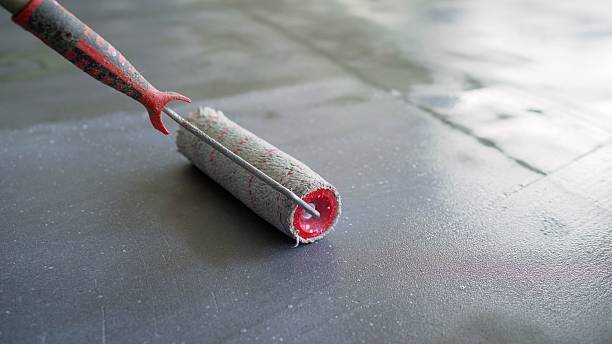
Epoxy garage floors look amazing when they’re done right. Glossy, clean, almost mirror-like if you nail it. But here’s the thing—most people mess it up not because of the epoxy itself, but the tools. Yeah, the roller matters more than folks think. Picking the best roller for epoxy garage floor jobs isn’t just some minor detail, it’s the difference between a smooth finish and a patchy, streaky mess that you’ll stare at for years. And trust me, epoxy doesn’t forgive mistakes easily. Once it cures, that’s it. So yeah, let’s talk rollers. The kind that actually work, and the ones that don’t.
Why Roller Material Actually Changes Everything
A lot of people walk into a store, grab whatever roller is on sale, and call it a day. Bad move. Epoxy is thick, self-leveling, and kind of stubborn. It doesn’t behave like regular paint. Roller material affects how the epoxy spreads, how much air gets trapped, and how even the coat looks once it starts settling. Cheap rollers shed fibers, and those fibers get locked into the finish forever. You’ll see them. Every time. Foam rollers? Sometimes okay, sometimes a disaster, depends on the density. Woven fabrics? Better control, but not all are made equal. The material decides how smooth your floor ends up, simple as that.
Microfiber Rollers: The Safe Bet for Most Jobs
If you want something reliable without overthinking it too much, microfiber rollers are usually a solid choice. They hold a decent amount of epoxy without dripping all over the place, and they spread it evenly enough that you don’t get those weird lines running across the floor. Not perfect, but close. The fibers are tight, so shedding is minimal, which matters more than people realize. You don’t want lint floating in your finish. The nap length matters too—too long and it leaves texture, too short and you’ll fight to spread thick epoxy. Somewhere around 3/8 inch tends to work for most garage floors. It’s not fancy advice, just what works.
Foam Rollers: Smooth Finish but a Bit Risky
Foam rollers get hyped a lot because they can leave a super smooth finish. And yeah, they can. But they’re tricky. Not all foam is created equal, and low-quality foam rollers can introduce bubbles into the epoxy. That’s a headache you don’t want. You’ll spend more time popping bubbles than actually coating the floor. High-density foam rollers are the only ones worth considering here. They glide nicely and don’t soak up too much product, which sounds good, but it also means you’ll reload more often. Some people love them, some swear them off completely. Honestly, if you’re new to epoxy, foam might test your patience a bit.
Woven Fabric Rollers: Built for Heavier Coatings
Now if you’re dealing with thicker epoxy or even adding decorative flakes, woven rollers start to make more sense. They’re tougher. They don’t fall apart halfway through the job, which is more common than you’d think with cheap covers. These rollers handle heavy coatings better and help push the epoxy into the surface, especially if your concrete isn’t perfectly smooth to begin with. The finish might not be as glassy as foam, but it’s consistent. And consistency beats perfection when you’re working against curing time. Epoxy doesn’t wait around for you to fix mistakes.
Nap Length: The Detail Most People Ignore
Here’s where people usually mess up. They pick the right material, then completely ignore nap length. Big mistake. Short nap rollers (like 1/4 inch) are better for smoother surfaces and thinner coats. Longer naps (1/2 inch or more) hold more epoxy but can leave texture behind. For garage floors, you want balance. Something in the middle. Around 3/8 inch is kind of the sweet spot for most setups. It gives you enough coverage without dragging the epoxy around too much. Go too thick and you’ll see roller marks. Too thin and you’ll struggle to keep a wet edge. It’s a small detail, but it shows in the final result.
Avoiding Roller Marks and Bubbles (Because They Will Happen)
Even with the right roller, things can still go sideways. Roller marks usually come from uneven pressure or letting sections dry before blending them. Work in sections, keep a wet edge, and don’t overwork the epoxy. That’s a big one—people keep rolling and rolling, thinking they’re fixing it, but they’re actually making it worse. Bubbles? That’s often from the roller itself or from moving too fast. Slow down a bit. Let the roller do the work. And if you’re really aiming for that clean finish, a quick pass with a spiked roller after application can help release trapped air. Not always necessary, but useful.
Choosing the Right Roller for Your Specific Garage Floor
Not every garage floor is the same, and that matters more than people think. Old concrete with tiny cracks? You’ll want a roller that can push epoxy into those imperfections, something like a woven or slightly thicker microfiber. Brand-new, smooth concrete? You can get away with foam or a shorter nap microfiber. Temperature plays a role too. In hotter conditions, epoxy sets faster, so you need a roller that spreads quickly without dragging. In cooler temps, you’ve got more time, but thicker epoxy can be harder to move around. There’s no one-size-fits-all answer here, even though people try to sell it that way.
What Most Pros Actually Use (And Why It Works)
If you watch experienced contractors, they usually stick with what’s predictable. No surprises. Microfiber or high-quality woven rollers, mid-range nap, nothing extreme. They’re not chasing perfection with fancy tools, they’re avoiding problems. That’s the mindset. The best roller for epoxy isn’t always the one that promises the smoothest finish on paper—it’s the one that gives you control, doesn’t shed, and works with the epoxy instead of against it. Pros care about repeatable results. They don’t want to gamble halfway through a floor coating.
Conclusion
At the end of the day, getting a smooth epoxy garage floor isn’t about luck. It’s about making a few smart choices upfront and not cutting corners where it actually matters. Roller material is one of those choices. Go too cheap or pick the wrong type, and you’ll see it in the final finish, no way around it. Stick with something reliable, match it to your surface, and don’t overthink every little detail once you start rolling. Keep it steady. Keep it simple. And yeah, take your time—but not too much time, because epoxy won’t wait.