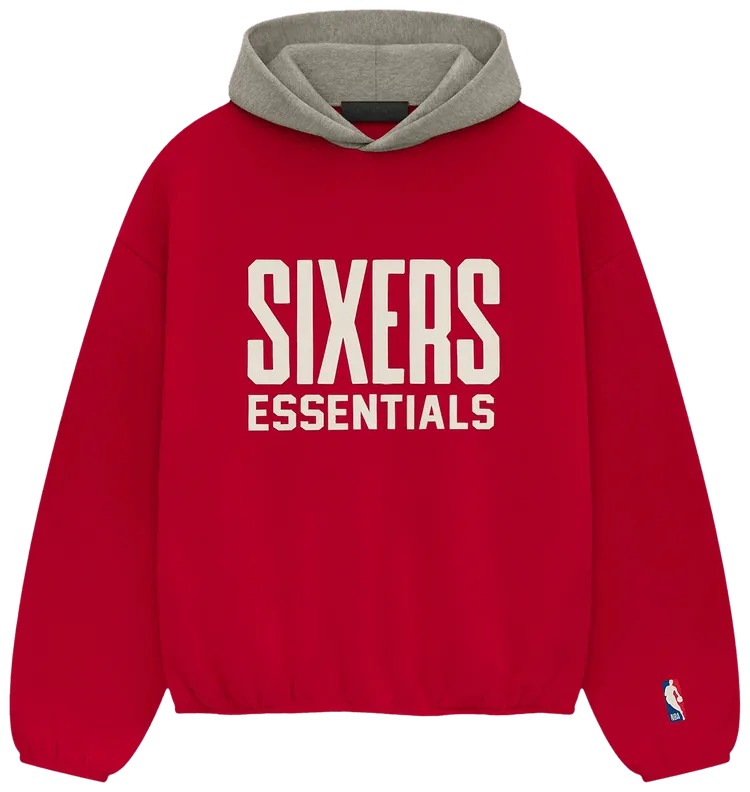
The Essentials Hoodie: The Complete 2026 Guide
The Essentials Hoodie: The Complete 2026 Guide to Fit, Quality, and Getting It Right the First Time
Introduction:
Walk into any coffee shop in Los Angeles, New York, or Chicago, and you’ll spot it. That distinct boxy silhouette with the rubberized logo patch. The Essential Hoodie isn’t just another piece of streetwear—it’s become the unofficial uniform of people who want comfort without sacrificing style. But here’s what most people don’t realize: getting one that actually fits well and lasts requires more than just clicking “add to cart.”
I’ve spent time examining these hoodies, talking to owners, and digging into what makes them different from the hundreds of other options on the market. This guide covers everything you need to know—fabric quality, sizing secrets, care instructions, and how to avoid the fakes that flood the secondary market.
What Makes Essentials Hoodies Different
The Fabric Weight Tells the Story
The moment you pick up an authentic Essentials Hoodie, you understand why people pay $90 to $130 for what looks like a simple pullover. Most hoodies on the market weigh around 280 to 320 GSM (grams per square meter). Essentials hoodies typically come in at 380 to 450 GSM. That extra weight translates to a garment that holds its shape, drapes properly, and feels substantial without being stiff.
The construction uses a heavyweight cotton fleece blend. The inside is brushed soft, but the exterior has real body to it. If you’ve worn a Champion Reverse Weave, this sits one step above that in both weight and finish. It’s not a fashion hoodie pretending to be quality—it’s a quality hoodie that happens to look good.
The Logo Isn’t Just Printed
The signature rubberized logo patch on Essentials hoodies isn’t a simple screen print. It’s a bonded appliqué that sits on top of the fabric surface. This construction method creates a raised, tactile element that feels intentional. On the 1977 style specifically, the flocked velvet appliqué process creates a texture that’s distinctly different from the flat silicone prints on the core collection.
This matters because it affects how the hoodie ages. A screen print cracks and fades. A properly bonded appliqué holds its appearance through dozens of washes—if you treat it right.
The Sizing Reality: What Nobody Tells You
They Don’t “Run Big”—They Run Different
The most common complaint about Essentials hoodies is sizing confusion. Here’s the truth: they don’t run big. They run intentionally. The design uses a deliberately oversized block pattern with dropped shoulders and a boxy chest. The confusion happens when people compare these to regular-fit hoodies from other brands.
When you put on your true size, the chest is roomy and the shoulder seam falls in the middle of your bicep. That’s the design. The body length, however, is controlled—it hits right at the hip rather than hanging down to your thighs. This combination of extra width and controlled length creates the visual impression of a larger garment when it’s actually a different proportion system entirely.
How to Choose Your Size
For the full intended silhouette: stay true to size. If you’re 5’10” and 170 pounds, a medium gives you the oversized look without drowning you.
For a cleaner, slightly more fitted look: size down one. The hoodie still reads as Essentials T-Shirts—the dropped shoulders and boxy chest remain—but the proportions tighten up enough to feel less exaggerated.
Never size down two. The proportions break completely. The remaining dropped shoulder effect looks mismatched against a chest that now reads close to fitted.
Body type matters here. Slim builds benefit from true-to-size because the boxy structure adds dimension intentionally. Athletic and broad builds should almost always go true to size—sizing down risks tightness across the shoulders and shorter sleeves.
The 1977 Hoodie: Worth the Extra Attention
The number 1977 isn’t decorative. It’s Jerry Lorenzo’s birth year, and the 1977 Essentials Hoodie carries that significance through its construction. This specific model uses a flocked velvet appliqué for the “1977” text rather than the standard rubber patch. That flocking creates a raised, slightly tactile surface that holds texture differently than silicone prints.
The flocking process applies short-cut fibers electrostatically to an adhesive-coated surface. Each fiber orients perpendicular to the garment, creating a dense pile structure that reads as velvet. This isn’t a detail you can fake easily—the equipment required costs significantly more than standard screen printing setup.
If you’re considering the 1977 model, know that the flocked lettering requires specific care. High heat compresses the velvet fibers permanently. Air drying isn’t optional if you want to preserve that raised texture.
Care Instructions That Actually Work
The Golden Rules
Turn it inside out before every wash. This places the fabric backing against the drum friction rather than the logo surface. The rubber letters face inward, contacting soft fabric instead of hard drum surfaces or zippers.
Use cold water only. Warm water at 86°F begins affecting the adhesive bond over repeated cycles. Hot water at 104°F or above accelerates delamination significantly. The effect is cumulative—warm water doesn’t destroy the logo in one wash, but it degrades the adhesive progressively.
Skip the dryer entirely. A standard residential dryer runs between 125 and 135°F. High heat cycles reach 150°F or above. Those temperatures exceed the thermal threshold of the adhesive bond. One high-heat dryer cycle does more damage than twenty cold water washes. Air dry flat or on a rack.
Use gentle detergent. Harsh detergents contain enzymes and optical brighteners that attack rubber and silicone surfaces. Woolite or similar gentle formulas work without the aggressive chemistry. Avoid detergent pods—they concentrate chemistry in one location during the early wash cycle.
What About Shrinkage?
Heavyweight cotton shrinks under heat exposure. Cold water washing and flat air drying prevent measurable shrinkage across dozens of cycles. Warm water causes progressive contraction. Hot water or machine drying causes significant shrinkage in a single wash event. If you follow the cold wash, air dry protocol, your hoodie will maintain its dimensions.
Avoiding Fakes: What to Check
The counterfeit market for Essentials is significant. Fake versions often use lighter fabric and off-center branding. Here’s what to examine:
Fabric weight. Authentic Essentials hoodies feel heavy in hand. If it feels thin or flimsy, it’s not genuine.
Logo placement. The rubber logo patch should be clean, centered, and properly bonded. Fake versions often have off-center branding or edges that lift immediately.
The flocking test (for 1977 models). Press your thumb firmly into the center of the flocked graphic for three seconds. Authentic pile recovers to upright orientation within one to two seconds. Cheap fuzz applications show slow, incomplete recovery, and some fibers remain flattened.
Fiber transfer test. Press a piece of dark tape lightly against the flocked graphic and peel it away. Authentic flocking leaves no fibers after the first few wears. A fake deposits visible loose fibers immediately.
Buy from authorized sources. The official Fear of God Essentials site is the safest option. Unverified third-party sellers carry significant risk.
Styling the Boxy Silhouette
The oversized cut works best when your bottom half complements rather than fights the proportions. Wide-leg denim, relaxed track pants, and straight-cut cargo pants all balance the chest width by providing equivalent visual volume through the leg. Slim or skinny jeans create a top-heavy proportion that undermines the silhouette.
Footwear follows the same logic. Chunky sneakers, work boots, and low-profile leather options all read correctly. The contrast between relaxed top and structured bottom creates the high-low tension the brand was built around.
Colorways run through tonal creams, washed grays, and deep blacks. These neutral tones make the hoodie work with almost anything, but the piece reads most powerfully against tailored trousers or raw denim rather than matching Essentials sweats, which can flatten the look into pure loungewear.
Top 10 FAQs
1. Do Essentials hoodies run true to size?
No, they run intentionally oversized—stay true to size for the full boxy look or size down one for a cleaner fit.
2. What is the fabric weight of an Essentials hoodie?
Most models use heavyweight cotton fleece between 380 and 450 GSM.
3. How should I wash my Essentials hoodie to protect the logo?
Turn it inside out, wash cold on gentle cycle, use mild detergent, and never machine dry.
4. Will my Essentials hoodie shrink after washing?
Only if you use warm or hot water—cold washing and air drying prevent measurable shrinkage.
5. How do I know if my Essentials hoodie is authentic?
Check fabric weight (should feel heavy), logo placement (clean and centered), and buy only from authorized retailers.
6. What does the number 1977 mean on some Essentials hoodies?
It represents Jerry Lorenzo’s birth year and appears on special flocked appliqué models.
7. Can I put my Essentials hoodie in the dryer?
No—the heat destroys the adhesive bond on the logo and causes shrinkage. Always air dry.
8. Do Essentials hoodies fit the same across all colorways and seasons?
Core proportions stay consistent, but minor variations of half an inch to an inch can occur between seasonal releases.
9. What should I wear with an Essentials hoodie?
Wide-leg denim, relaxed track pants, or straight-cut cargo pants balance the boxy top silhouette.
10. Are Essentials hoodies worth the price?
For $90 to $130, you get real fabric weight, clean construction, and a hoodie that lasts multiple seasons with proper care.
Final Thoughts
The Essentials Hoodie earns its reputation through substance, not just hype. The heavyweight construction, intentional design proportions, and lasting quality separate it from the hundreds of imitators flooding the market. The key is understanding what you’re buying—a deliberately oversized, structured piece that requires specific care to maintain its best qualities.
Size it right, wash it cold, air dry it always, and this hoodie will serve you for seasons rather than months. That’s the difference between buying a trend and building a wardrobe.