Europe Point of Sale Materials (PoSM) Market
Point of sale materials (PoSM) play an important role in influencing purchasing decisions at physical retail locations. From display stands and shelf signs to promotional boards, branded fixtures, and product information materials, PoSM helps businesses attract shoppers’ attention and communicate key messages where purchasing decisions take place.
Across Europe, retailers and brands are increasingly looking for customised point of sale materials that reflect their products, store formats, target audiences, and promotional campaigns. This shift is being supported by changing consumer behaviour, greater competition among brands, and the need to create more engaging in-store experiences.
Growth of the Europe Point of Sale Materials Market
The Europe point of sale materials (PoSM) market size was valued at USD 11.18 Billion in 2025. The industry is expected to grow at a CAGR of 4.65% during 2026-2035, reaching approximately USD 17.61 Billion by 2035.
Market growth is being supported by continued investment in physical retail, promotional campaigns, product launches, and branded in-store experiences. Although e-commerce continues to expand, physical stores remain important touchpoints where brands can directly influence customers through product presentation and visual communication.
Why Customisation Is Becoming Important
Standard promotional materials may not always meet the requirements of different products or retail environments. Customised PoSM allows brands to design displays according to specific products, store layouts, promotional objectives, and customer segments.
For example, a cosmetics brand may require compact counter displays, while a beverage company may use larger floor-standing units. Customisation allows businesses to make better use of available retail space while maintaining consistent branding.
This flexibility is particularly valuable for brands running seasonal campaigns or launching new products.
Improving the In-Store Customer Experience
Retailers are increasingly focused on creating engaging physical shopping environments. Customers may encounter numerous products competing for their attention, making visual presentation an important part of the shopping experience.
Well-designed PoSM can guide shoppers toward specific products, communicate promotions, explain product features, and reinforce brand identity. Interactive or visually distinctive displays can also encourage customers to spend more time exploring products.
Customised materials can therefore serve both promotional and informational purposes.
Supporting Product Launches and Promotions
New product launches often require strong visibility in stores. Customised displays can help brands create dedicated spaces for new products and communicate their unique selling points.
Seasonal promotions provide another opportunity. Retailers can use temporary displays for events such as holidays, festivals, sales periods, and limited-time campaigns.
The ability to quickly produce materials for specific promotions can help brands respond to changing marketing requirements.
Digital Printing Is Enabling Greater Flexibility
Advances in digital printing are making customised PoSM more accessible. Traditional printing methods may be more suitable for very large production volumes, while digital technologies can support shorter runs and more frequent design changes.
This allows businesses to create region-specific, store-specific, or campaign-specific materials without necessarily requiring extremely large production quantities.
Digital printing can also support high-quality graphics and variable content, giving brands greater flexibility in how they communicate with shoppers.
Sustainability Is Changing PoSM Design
Environmental considerations are becoming increasingly important across European retail. Brands and retailers are looking for ways to reduce the environmental impact of promotional materials.
This is encouraging interest in recyclable, reusable, biodegradable, and responsibly sourced materials. Businesses may also design displays that can be reused across multiple campaigns or retail locations.
Lightweight designs can help reduce material consumption and transportation requirements. As sustainability expectations continue to increase, environmentally conscious PoSM solutions are likely to become more important.
Retailers Are Combining Physical and Digital Experiences
Technology is also influencing the development of point of sale materials. QR codes, near-field communication (NFC), digital screens, and interactive displays can connect physical retail experiences with online content.
For example, a customer can scan a QR code on a display to access product information, demonstrations, reviews, or an online purchasing page. This creates a connection between physical stores and digital channels.
Interactive PoSM can also provide retailers with new ways to engage customers while collecting insights into how shoppers interact with campaigns.
Customisation Across Different Retail Segments
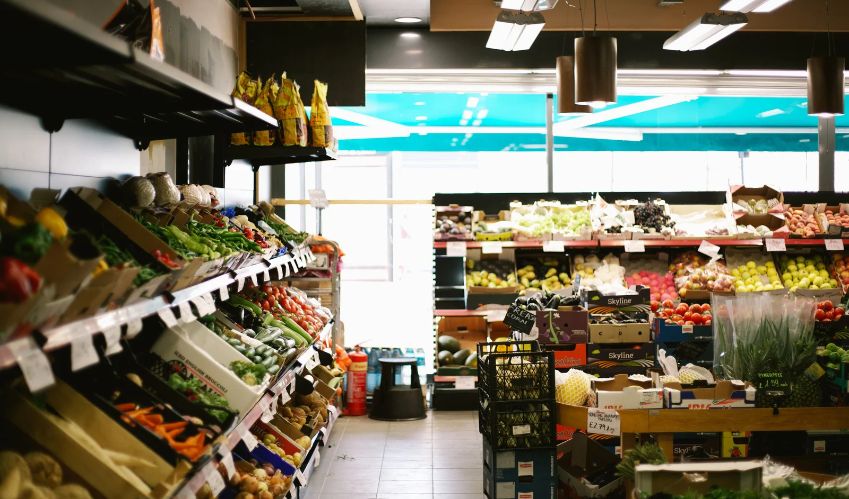
Demand for customised PoSM is visible across several retail categories. Food and beverages, cosmetics, consumer electronics, fashion, healthcare products, and household goods can all benefit from effective in-store displays.
Each category has different requirements. Cosmetics may prioritize premium aesthetics, while supermarkets may need practical displays capable of handling high customer traffic. Electronics brands may focus on interactive demonstrations and product comparisons.
Customisation allows businesses to adapt PoSM according to these different requirements.
Key Trends Shaping the European PoSM Market
Several trends are expected to influence the market over the coming years:
- Customised displays: Increasing demand for materials designed around specific brands, products, and campaigns.
- Sustainable materials: Greater use of recyclable, reusable, and environmentally responsible materials.
- Digital integration: Growing use of QR codes, NFC, screens, and interactive features.
- Shorter production runs: Greater flexibility through digital printing and advanced manufacturing.
- Experiential retail: Greater emphasis on engaging and memorable in-store experiences.
- Seasonal campaigns: Continued demand for temporary and event-specific promotional displays.
- Omnichannel retail: Increasing integration between physical PoSM and online shopping experiences.
Opportunities for Brands and Retailers
The expanding PoSM market provides opportunities for brands to strengthen their physical retail presence. Businesses can use customised displays to differentiate products, improve visibility, and communicate promotions more effectively.
Retailers can also benefit by using flexible PoSM solutions that can be adapted to different store formats. Modular displays, reusable structures, and digital integrations can provide greater versatility.
Manufacturers of PoSM materials have opportunities to develop innovative solutions that combine sustainability, design flexibility, technology, and cost efficiency.
Challenges Facing the Market
Despite its growth potential, the European PoSM industry faces several challenges. Sustainability requirements can increase material and production costs, while retailers may have limited space for promotional displays.
Brands also need to ensure that customised materials are consistent with their broader visual identity. Poorly designed or excessive displays can create clutter rather than improve the customer experience.
Additionally, the increasing importance of digital commerce means businesses must carefully determine how physical PoSM fits into their overall marketing strategies.
Future Outlook
The European PoSM market is expected to continue growing as brands and retailers invest in more targeted and engaging physical shopping experiences. The market, valued at USD 11.18 Billion in 2025, is projected to reach USD 17.61 Billion by 2035, expanding at a CAGR of 4.65% during 2026-2035.
Customisation is likely to remain a major area of development. Brands increasingly want displays that can be adapted to specific products, campaigns, locations, and consumer groups. At the same time, sustainability and digital integration are expected to influence how PoSM is designed and manufactured.
Conclusion
The growing demand for customised point of sale materials reflects the changing role of physical retail in Europe. Brands are looking beyond traditional promotional displays and seeking solutions that attract attention, communicate information, support campaigns, and create more engaging shopping environments.
With advances in digital printing, sustainable materials, and interactive technologies, PoSM is becoming more flexible and innovative. As the European market continues to expand, businesses that combine effective design, customisation, sustainability, and digital integration can strengthen their presence at the point of purchase.