Commercial spaces are now defined not just by size or location, but also by how people interact with them daily. Convenience has become central to the design, planning, and experience of commercial projects. It directly affects footfall, tenant satisfaction, and long-term value, areas that were often previously overlooked.
In growing urban centres, where time and accessibility are critical, convenience is now essential rather than optional. It is a basic expectation that directly influences the success of commercial developments.
Accessibility Shapes First Impressions
Accessibility is the first measure of convenience. A well-planned commercial space provides seamless connectivity through roads, public transport, and pedestrian pathways. When people can reach a location without hassle, the likelihood of repeat visits naturally increases.
Parking is essential. Adequate spaces, clear entry and exit points, and efficient traffic flow minimise delays. These details, though small, shape daily experiences and long-term reputation.
Thoughtful Layout Improves Daily Movement
Layout planning in commercial properties determines how comfortably people move through the space. Wide corridors, clear signage, and logical zoning create ease. When navigation feels natural, visitors spend more time exploring instead of searching for directions.
Retail, dining, and service areas should be intentionally placed. Locating essential services near entry points reduces congestion, while positioning leisure areas deeper in the complex encourages longer visits. These choices enhance the daily experience.
Mixed Use Planning Adds Practical Value
Modern commercial developments intentionally combine retail, dining, office, and entertainment spaces in one location. Mixed-use planning addresses multiple needs and maximises convenience.
Visitors coming for work can also access food outlets, quick shopping, or relaxation spaces within the same complex. This integration reduces the need to travel elsewhere, making daily routines more manageable. supports businesses by increasing foot traffic across the development’s different zones.
Infrastructure That Supports Daily Needs
Convenience depends on strong infrastructure. Reliable power supply, clean washrooms, effective waste management, and efficient security are essential for a well-functioning commercial space.
These features often go unnoticed when functioning properly, but any disruption quickly affects the experience. Planning for these essentials from the start ensures the space remains functional and comfortable for both tenants and visitors.
Technology also plays a role here. Digital directories, smart parking, and automated services reduce wait times and improve daily efficiency in everyday interactions.
Location and Surrounding Ecosystem
A commercial project does not exist in isolation. Its surroundings significantly contribute to its convenience factor. Proximity to residential areas, offices, schools, and hospitals increases its daily relevance.
When a development is placed in a well-connected, active neighbourhood, it becomes part of the routine rather than a distant destination. Integration with the local ecosystem strengthens its position and ensures consistent engagement.
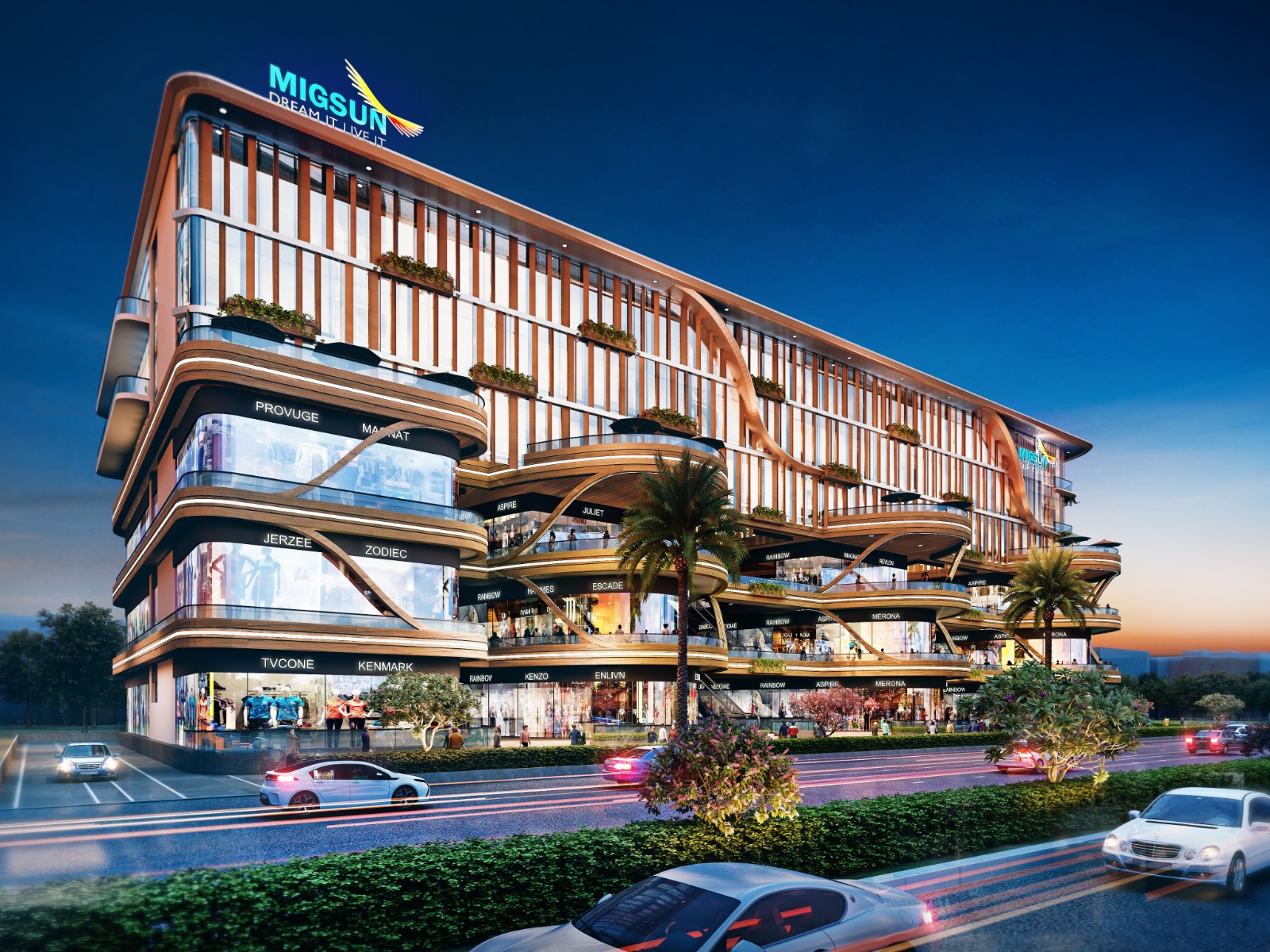
Projects like Migsun Delta Street by Migsun Group highlight how location and everyday usability influence long-term interest in commercial developments. This reflects a broader shift where convenience is a key factor in investment and business decisions.
Comfort and Experience Matter
Convenience extends beyond movement and access. Comfort significantly affects how people feel within a commercial space. Proper lighting, ventilation, seating, and cleanliness create an environment where people are willing to spend more time.
For businesses, this leads to better engagement and higher conversion rates. For visitors, it makes routine visits more pleasant and less tiring.
Small additions, such as rest zones, clear information desks, and child-friendly areas, can further enhance the experience without requiring major structural changes.
Long-Term Impact on Value
Commercial planning focused on everyday convenience tends to retain value over time. Spaces that are easy to access, navigate, and use remain relevant even as trends change.
Tenants prefer locations where operations run smoothly, and visitors return to places that fit easily into their routines. This creates stable demand, supporting both occupancy and investment value.
On the other hand, projects that ignore these aspects may struggle despite having a strong visual appeal or large scale. Convenience ensures a space remains effective beyond its initial launch.
Conclusion
Everyday convenience has shifted from a secondary consideration to a central element in commercial planning. It influences how people choose where to shop, work, and spend time.
Developers who recognise this shift focus on practical usability over visual design alone. By prioritising accessibility, thoughtful layouts, strong infrastructure, and integration with surrounding areas, commercial spaces can meet real daily needs. Projects by Migsun Group are frequently discussed in the Migsun Group review, as they are known for their approach to accessible, convenient commercial planning.
In the long run, attention to detail helps developments remain active, relevant, and valuable in a competitive market.