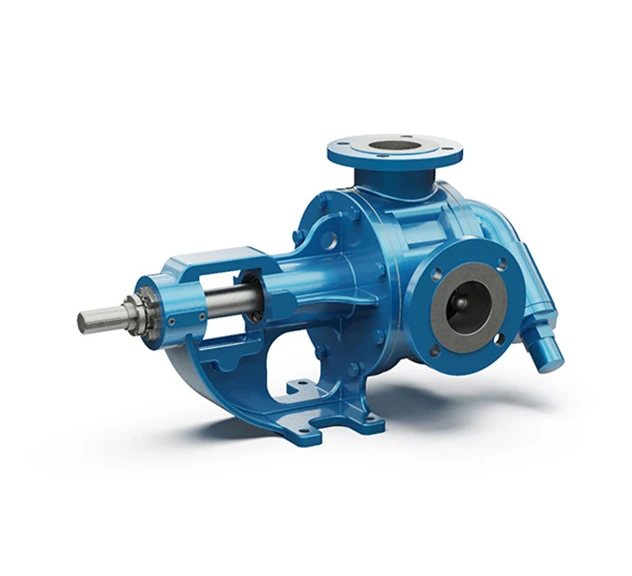
Supplier reliability is an important consideration when purchasing gear pumps for industrial equipment, hydraulic systems, and OEM applications. A pump may meet all the required technical specifications, but inconsistent quality, unpredictable lead times, or poor communication can create problems throughout the equipment supply chain.
For this reason, companies evaluating a gear pump manufacturer should assess more than product specifications and pricing. Manufacturing consistency, production capacity, quality control, delivery performance, technical support, and long-term parts availability all contribute to a dependable supplier relationship.
What Supplier Reliability Means
Supplier reliability refers to a manufacturer’s ability to consistently provide products that meet agreed specifications while maintaining dependable delivery and communication.
For gear pump buyers, reliability can involve several areas:
- Consistent product quality
- Predictable lead times
- Stable production capacity
- Accurate documentation
- Responsive technical support
- Reliable spare parts availability
- Clear communication about orders and changes
A supplier does not need to be perfect to be reliable. What matters is having controlled processes that reduce avoidable problems and provide timely information when issues arise.
Why Reliability Matters for Industrial Buyers
Gear pumps are often components within larger machines or fluid-handling systems. A delayed pump shipment can therefore affect equipment assembly, testing, installation, and commissioning.
For production equipment, an unreliable supply can also create inventory shortages or unexpected downtime.
Choosing a dependable supplier helps companies plan purchasing and production with greater confidence.
Consistent Manufacturing Quality
Consistency is one of the most important aspects of supplier reliability. Gear pumps contain components that must be manufactured within appropriate dimensional and performance requirements.
Variations in gears, shafts, housings, bearings, seals, or internal clearances can affect pump operation.
A reliable manufacturer should have established production and inspection procedures that help maintain consistent results from one batch to another.
Quality Control Processes
Quality control supports supplier reliability by reducing the likelihood of defective products reaching customers.
Manufacturing quality control may include:
- Incoming material inspection
- Dimensional checks
- Gear and surface inspection
- Assembly verification
- Leakage testing
- Pressure testing
- Flow performance testing
- Final inspection
The exact process depends on the product and application, but controls should be appropriate to the pump’s intended operating conditions.
Production Capacity and Scalability
A supplier’s production capacity can become especially important as customer demand increases. A manufacturer that can support a small initial order may not necessarily be prepared for larger recurring quantities.
Buyers should consider whether the supplier has sufficient machining, assembly, testing, staffing, and material resources to handle expected demand.
Scalability is particularly relevant to OEM manufacturers planning to use the same pump across multiple equipment models.
Lead Time Reliability
A supplier’s stated lead time is useful only when it can be achieved consistently. Buyers should distinguish between an estimated delivery date and a supplier’s historical ability to meet similar schedules.
Lead times can be affected by material availability, customization, production workload, testing requirements, and transportation.
Reliable suppliers generally provide realistic schedules rather than overly optimistic estimates.
Communication and Order Management
Clear communication can prevent small issues from becoming major supply problems.
A dependable supplier should be able to communicate about:
- Production progress
- Material availability
- Technical questions
- Specification changes
- Potential delays
- Inspection results
- Shipping arrangements
Prompt communication gives buyers an opportunity to adjust their plans when circumstances change.
Technical Support
Gear pump selection and integration can involve technical questions related to pressure, flow, speed, viscosity, temperature, mounting, and sealing.
A supplier with suitable technical knowledge can help buyers identify potential compatibility issues before production or installation.
Technical support can also be useful when troubleshooting unusual performance problems after delivery.
Engineering Support for Custom Pumps
Custom gear pumps require closer cooperation between the buyer and manufacturer. Engineering drawings, dimensions, materials, operating conditions, and performance requirements need to be clearly defined.
A reliable supplier should have a structured process for reviewing custom requirements and managing approved specifications.
Good engineering communication can reduce the risk of producing a pump that does not properly integrate with the customer’s equipment.
Managing Material Availability
Raw materials and purchased components can influence manufacturing schedules. Delays involving metals, seals, bearings, or other parts can affect production.
Reliable suppliers should have appropriate material planning and purchasing procedures.
For products requiring specialized materials, buyers may benefit from discussing material availability before placing the order.
Long-Term Product Consistency
Long-term consistency matters when a gear pump becomes part of a standardized machine design. Future replacement units need to remain compatible with the original equipment.
Controlled drawings, material specifications, production records, and inspection criteria can help maintain consistency.
Suppliers should also communicate significant changes to materials, components, or manufacturing processes when those changes could affect product performance.
Spare Parts Availability
A gear pump may require replacement seals, bearings, bushings, or other components during its service life. The availability of these parts can directly affect maintenance time.
Before selecting a supplier, buyers should ask about replacement component availability and ordering procedures.
For customized pumps, long-term parts support can be particularly important because alternative products may not be interchangeable.
Warranty and Problem Resolution
Even well-controlled manufacturing processes cannot eliminate every potential product issue. What matters is how the supplier responds when a problem occurs.
Buyers should understand warranty terms, inspection procedures, replacement policies, and communication channels before purchasing.
A supplier that investigates problems systematically and provides clear corrective actions can be more valuable than one that simply offers a low initial price.
Documentation and Traceability
Documentation can support both quality assurance and long-term service. Depending on the application, buyers may require product drawings, inspection reports, material information, test results, or identification records.
Traceability can make it easier to determine which production batch or components were involved if a problem occurs.
Documentation requirements should be agreed upon before production begins.
Evaluating Supplier Performance
Supplier reliability should be measured using objective criteria rather than general claims.
Buyers can track indicators such as:
| Performance Area | Example Evaluation |
|---|---|
| Product quality | Defect and rejection rates |
| Delivery | On-time delivery performance |
| Capacity | Ability to meet ordered quantities |
| Communication | Response time and issue handling |
| Technical support | Effectiveness of engineering assistance |
| Parts support | Availability of replacement components |
| Consistency | Repeat-order conformity |
Tracking these factors over time can help companies identify strong suppliers and address recurring weaknesses.
Building a Reliable Supply Relationship
Supplier reliability is often strengthened through clear expectations on both sides. Buyers should provide accurate technical information, realistic forecasts, and timely approvals.
Manufacturers, in turn, should communicate clearly about production requirements, lead times, quality standards, and potential issues.
Regular communication can make it easier to manage changing demand and avoid misunderstandings.
Single-Supplier Versus Multiple-Supplier Strategies
Some companies prefer to source from a single supplier to simplify procurement and maintain product consistency. Others use multiple suppliers to reduce dependence on one source.
The appropriate strategy depends on the importance of the pump, available alternatives, production volume, and supply-chain risk.
For critical applications, companies may consider contingency planning even when they maintain a preferred supplier relationship.
Questions to Ask a Potential Supplier
Before entering a long-term relationship, buyers can ask:
- What production capacity is currently available?
- How are critical components and materials managed?
- What quality inspections are performed?
- What are the typical lead times for standard and custom pumps?
- How are production delays communicated?
- What technical support is available?
- How are custom specifications controlled?
- Are spare parts available for long-term service?
- What warranty procedures are provided?
- How are quality problems investigated and resolved?
The answers can provide useful insight into the supplier’s overall reliability.
Total Value of a Reliable Supplier
Supplier selection should consider the total value provided over the product’s service life. A slightly higher purchase price may be justified if it comes with consistent quality, dependable delivery, technical support, and reliable replacement parts.
Conversely, a low-cost supplier can become expensive if inconsistent quality causes equipment downtime, additional inspections, emergency shipments, or frequent replacements.
The best sourcing decision balances product cost with operational risk.
Final Thoughts
Supplier reliability plays an important role in successful gear pump procurement. Consistent manufacturing, realistic lead times, adequate production capacity, clear communication, technical expertise, and long-term service support all contribute to a dependable supply relationship.
Industrial and OEM buyers should evaluate these factors before selecting a supplier rather than focusing only on the initial product quotation. A structured supplier assessment can help reduce supply-chain risks, improve purchasing predictability, and support reliable gear pump performance throughout the equipment’s service life.