The Manufacturing Process Behind Industrial Centrifuge Equipment
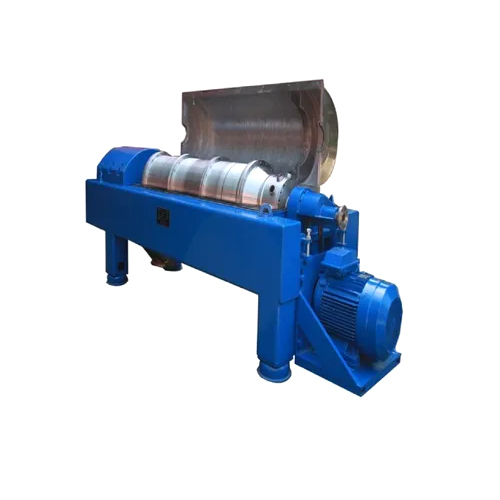
Industrial centrifuge equipment plays a vital role in separation processes across industries such as wastewater treatment, chemical processing, food production, pharmaceuticals, and mining. These machines are designed to deliver high-speed, continuous, and efficient separation, but their performance depends heavily on the precision and quality of the manufacturing process.
A professional Industrial Centrifuge Manufacturer follows a structured and highly controlled production process to ensure reliability, durability, and consistent performance in demanding industrial environments.
Material Selection and Preparation
The manufacturing process begins with selecting high-quality raw materials that can withstand high rotational forces and corrosive environments.
Common materials include:
- Stainless steel grades
- High-strength alloys
- Wear-resistant coatings
- Corrosion-resistant components
Materials are carefully inspected before production to ensure they meet strict quality standards.
Precision Engineering and Design
Before fabrication begins, engineers develop detailed designs based on application requirements. These designs ensure that the centrifuge meets performance expectations for specific industrial uses.
Key design considerations include:
- Bowl size and geometry
- Rotational speed capacity
- Load distribution
- Separation efficiency requirements
- Structural stability
Advanced CAD systems are often used to achieve high accuracy.
Component Machining and Fabrication
Once designs are finalized, individual components are manufactured using precision machining techniques. This stage is critical for ensuring smooth operation and mechanical balance.
Processes include:
- CNC machining
- Cutting and shaping
- Welding and assembly preparation
- Surface finishing
- Heat treatment for durability
Precision at this stage directly affects machine performance and lifespan.
Dynamic Balancing and Assembly
Centrifuge equipment operates at extremely high speeds, making balance and alignment essential. Even small imbalances can lead to vibration and performance issues.
During assembly, manufacturers focus on:
- Rotor and bowl balancing
- Shaft alignment
- Scroll installation
- Bearing fitting
- Drive system integration
Careful assembly ensures stable and efficient operation.
Quality Control and Testing
Before leaving the factory, every centrifuge undergoes strict testing to verify performance, safety, and reliability.
Testing procedures may include:
- Vibration testing
- Speed performance tests
- Load capacity verification
- Leakage checks
- Operational safety inspections
These tests ensure that the equipment meets industrial standards.
Surface Treatment and Protection
To extend equipment lifespan, manufacturers apply protective treatments to resist wear, corrosion, and chemical damage.
Common treatments include:
- Anti-corrosion coatings
- Surface hardening
- Polishing and finishing
- Protective layering for critical components
These treatments help maintain long-term durability in harsh environments.
Electrical and Control System Integration
Modern centrifuge equipment includes advanced electrical systems that control speed, performance, and automation features.
This stage involves:
- Motor installation
- Control panel setup
- Sensor integration
- Automation system configuration
- Software calibration
These systems improve efficiency and operational control.
Final Inspection and Packaging
After assembly and testing, the equipment undergoes a final inspection to ensure it meets all technical and quality requirements.
Final steps include:
- Visual inspection
- Performance verification
- Documentation review
- Protective packaging
- Shipping preparation
Proper packaging ensures safe transportation and delivery.
Importance of Manufacturing Quality
High manufacturing standards directly influence centrifuge performance, efficiency, and lifespan. Poorly manufactured equipment can lead to increased downtime, higher maintenance costs, and reduced separation efficiency.
High-quality manufacturing ensures:
- Stable long-term operation
- Improved energy efficiency
- Reduced maintenance requirements
- Higher separation accuracy
- Enhanced equipment reliability
Conclusion
The manufacturing process behind industrial centrifuge equipment involves careful material selection, precision engineering, advanced machining, dynamic balancing, and strict quality control. Each stage plays a crucial role in ensuring reliable performance and long-term durability. A trusted Industrial Centrifuge Manufacturer delivers equipment that meets demanding industrial requirements while maintaining efficiency, safety, and consistency across a wide range of applications.