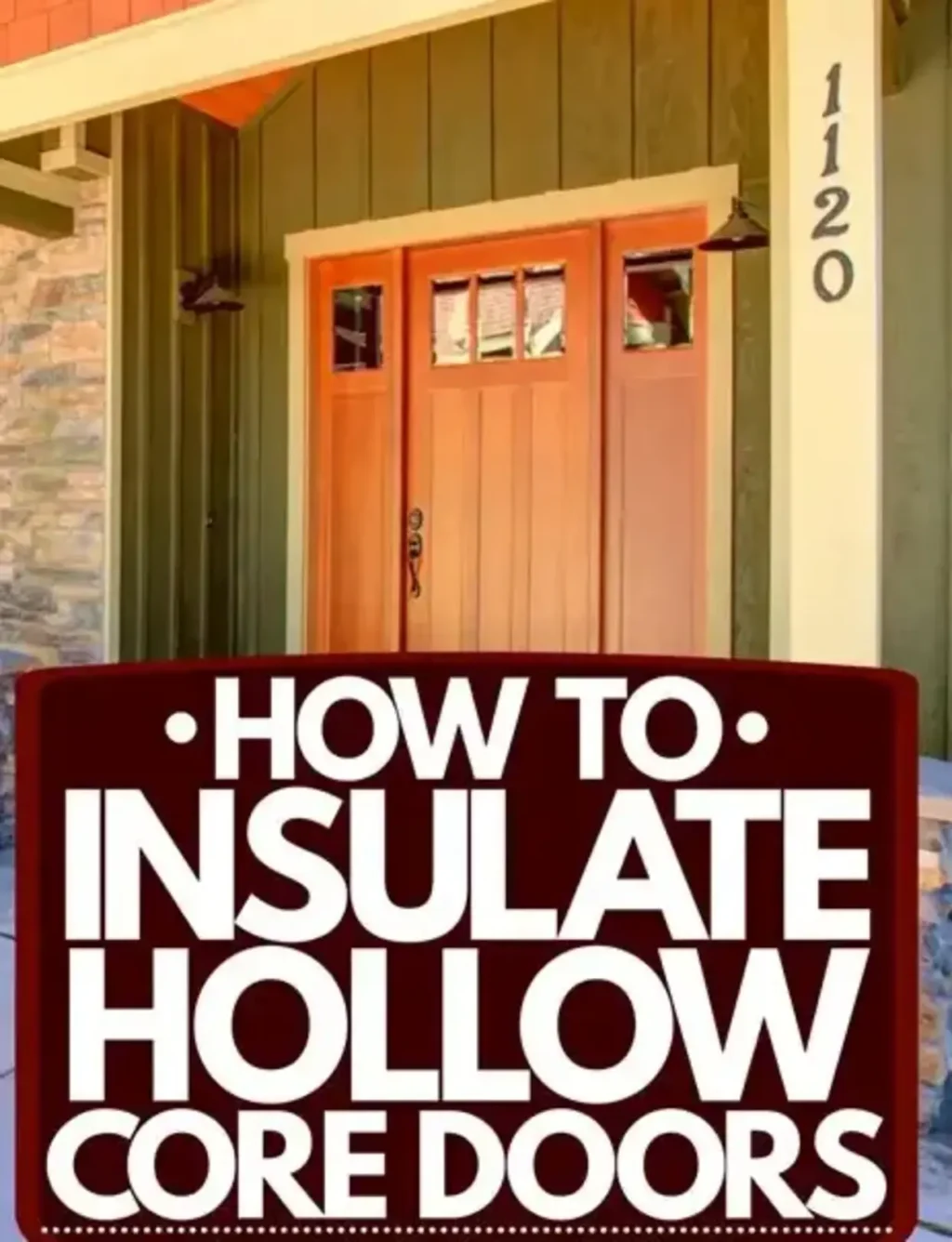
Hollow interior doors are a common feature in many modern homes due to their affordability, lightweight design, and ease of installation. However, they come with one significant drawback: poor insulation. Whether it’s unwanted noise traveling between rooms or temperature inconsistencies affecting comfort, hollow doors often fall short in performance. Fortunately, there are smart, practical ways to insulate a hollow interior door without replacing it entirely.
This guide explores effective strategies, materials, and techniques to improve insulation, helping homeowners achieve better energy efficiency and enhanced indoor comfort.
Understanding the Problem with Hollow Interior Doors
Unlike solid wood doors, hollow interior doors are constructed with a thin outer shell—typically fiberboard or plywood—and a hollow core or minimal cardboard honeycomb structure inside. This design makes them lightweight and cost-effective but also leaves them vulnerable to:
- Sound transmission between rooms
- Heat loss or gain
- Reduced privacy
- Draft issues in certain areas
Improving the insulation of these doors can make a noticeable difference in both comfort and utility costs.
Benefits of Insulating a Hollow Interior Door
Before diving into the methods, it’s important to understand the benefits of upgrading your door insulation:
1. Enhanced Thermal Efficiency
Insulating your door helps maintain consistent indoor temperatures, reducing reliance on heating and cooling systems.
2. Improved Soundproofing
Adding insulation materials significantly reduces noise transfer, which is especially beneficial for bedrooms, home offices, or studios.
3. Increased Comfort and Privacy
Better insulation minimizes drafts and enhances the overall feel of your living space.
4. Cost-Effective Upgrade
Compared to replacing doors with solid-core alternatives, insulation is a budget-friendly solution with noticeable results.
Tools and Materials You May Need
Depending on your chosen method, gather the following tools and materials:
- Adhesive-backed foam panels or rigid foam boards
- Weatherstripping tape
- Door sweep
- Expanding foam (low-expansion type)
- Utility knife
- Measuring tape
- Screwdriver
- Drill (optional)
- Decorative door panel or fabric (optional for finishing)
Step-by-Step Methods to Insulate a Hollow Door
1. Seal the Gaps First
Before modifying the door itself, address air leaks around it. Install weatherstripping along the door frame to seal gaps that allow air to pass through. Add a door sweep at the bottom to prevent drafts from entering beneath the door.
This simple step alone can significantly improve insulation performance.
2. Apply Foam Board Insulation
One of the easiest and most effective methods is attaching rigid foam boards to the surface of the door.
Measure the dimensions of your door
Cut foam boards to size
Attach them using strong adhesive or double-sided tape
Cover with a decorative panel or fabric for aesthetics
This method adds thermal resistance and also helps dampen sound.
3. Inject Expanding Foam (Advanced Option)
For a more permanent solution, you can fill the hollow core with low-expansion spray foam.
Steps:
- Drill small holes at the top or side of the door
- Carefully inject expanding foam into the hollow sections
- Allow the foam to cure completely
- Patch and sand the holes for a smooth finish
Important: Use low-expansion foam to avoid warping the door.
4. Add Mass with Door Panels
Increasing the mass of a door improves both thermal and acoustic insulation. You can attach MDF panels, plywood sheets, or decorative wall panels to one or both sides of the door.
This technique is especially useful in home offices or media rooms where sound control is a priority.
5. Use Thermal Curtains or Door Covers
If you prefer a non-invasive solution, consider installing a thermal curtain over the door. These curtains are designed to block heat transfer and can be easily removed or adjusted.
They are ideal for renters or temporary setups.
6. Upgrade Hardware for Better Sealing
Sometimes, poor insulation is caused by misalignment rather than the door itself. Check hinges, latches, and the door frame to ensure a tight seal when closed. Adjusting these components can improve insulation without additional materials.
Tips for Best Results
- Always measure accurately before cutting materials
- Use high-quality adhesives for long-lasting results
- Combine multiple methods for maximum efficiency
- Consider aesthetics when adding visible insulation layers\
- Test the door after each modification to ensure proper function
When to Consider Replacement
While insulation upgrades are effective, there are situations where replacing the door may be a better long-term solution. If your door is damaged, severely warped, or part of a high-performance space (such as a recording studio), upgrading to a solid-core door may provide superior results.
Conclusion
Insulating a hollow interior door doesn’t have to be complicated or expensive. With the right approach, you can significantly improve your home’s comfort, reduce energy loss, and enhance privacy—all without replacing the entire door.
From simple fixes like weatherstripping to more advanced methods like foam injection, each solution offers its own advantages. By choosing the method that best fits your needs and budget, you can transform an underperforming hollow door into an efficient and functional part of your home.
Taking these smart steps not only boosts your living environment but also adds long-term value to your property. https://www.gstarboard.com