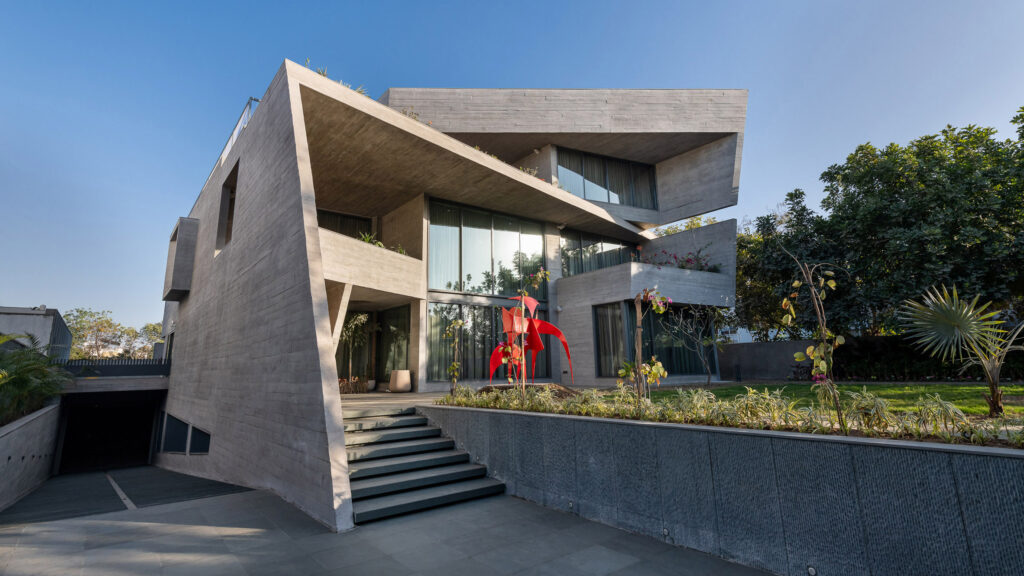
Building a home is one of the most significant investments a person can make. It is not simply about creating rooms, choosing finishes, or selecting attractive furniture. A well-designed home should reflect the lifestyle, personality, comfort, and future needs of the people who live in it. This is why choosing from the top residential architecture firms can make a remarkable difference in the outcome of a project.
The right architecture firm combines creativity with technical expertise, transforming an idea into a functional and enduring living environment. From site planning and spatial layouts to natural lighting and material selection, architects influence almost every aspect of the residential experience. But with so many firms available, how can homeowners identify the right one?
What Makes a Residential Architecture Firm Stand Out?
Not every architecture firm approaches residential design in the same way. Some specialize in contemporary luxury residences, while others focus on sustainable homes, traditional architecture, compact urban properties, or highly customized interiors.
The top residential architecture firms typically distinguish themselves through a combination of several qualities.
First, they listen carefully. A successful architect does not impose a design simply because it looks impressive. Instead, the architect studies the client’s lifestyle, preferences, budget, family requirements, and long-term plans.
Second, leading firms balance aesthetics with practicality. A visually striking home that is difficult to maintain or uncomfortable to live in ultimately falls short. Great residential architecture makes beauty and functionality work together.
Finally, experienced firms understand that every site is different. Climate, orientation, surrounding buildings, vegetation, local regulations, and available materials can all influence the design.
Why Hiring an Experienced Architecture Firm Matters
Homeowners sometimes consider reducing architectural involvement to save money. However, professional design can actually help prevent expensive mistakes.
An experienced architecture firm can identify opportunities to improve the layout, optimize available space, and anticipate construction challenges before they become costly problems. Architects also coordinate with engineers, contractors, consultants, and other professionals throughout the project.
Moreover, residential architecture is about more than appearance. Poorly planned windows can create excessive heat gain. Inefficient circulation can make a large house feel inconvenient. Insufficient storage can create clutter. A lack of attention to ventilation can affect comfort.
The best architects consider these issues during the planning stage rather than attempting to fix them later.
Key Services Offered by Top Residential Architecture Firms
When comparing firms, homeowners should look beyond portfolios and determine exactly what services are included.
1. Conceptual Design
The process usually begins with understanding the client’s vision. Architects develop initial concepts that explore spatial organization, architectural character, circulation, and relationship to the site.
2. Detailed Architectural Planning
Once a concept is approved, the design becomes more detailed. Floor plans, elevations, sections, material strategies, and construction documentation help translate the idea into something that can actually be built.
3. Sustainable Design
Sustainability has become an increasingly important part of residential architecture. Firms may incorporate passive ventilation, daylighting, energy-efficient systems, solar strategies, water conservation, and locally appropriate materials.
4. Project Coordination
Residential projects involve numerous participants. Architects can help coordinate consultants and contractors so that different aspects of the project work together effectively.
5. Interior and Exterior Integration
The strongest residential designs do not treat the building and interior as separate worlds. Materials, proportions, lighting, landscaping, furniture, and architectural details can be developed as part of a cohesive vision.
How to Evaluate the Top Residential Architecture Firms
A beautiful website is not enough to determine whether a firm is right for your project. Homeowners should conduct deeper research before making a decision.
Review the Portfolio Carefully
Look for projects that demonstrate versatility, attention to detail, and consistency. More importantly, determine whether the firm’s previous work reflects the type of home you want to build.
If you prefer warm, natural interiors, for example, a firm known primarily for industrial minimalism may not be the ideal match.
Consider Experience With Similar Projects
Experience matters, but relevant experience matters even more. A firm that has successfully designed homes of comparable scale, complexity, budget, or location may be better positioned to understand your requirements.
Ask About the Design Process
Every firm has its own workflow. Ask how the architects gather requirements, present concepts, handle revisions, coordinate consultants, and communicate during construction.
A transparent process can reduce uncertainty and make the overall experience considerably smoother.
Understand the Fee Structure
Architectural fees can vary depending on project scope, location, complexity, and services provided. Homeowners should ask for a clear explanation of what is included and what may incur additional costs.
The cheapest option is not necessarily the best value. Likewise, the most expensive firm is not automatically the right choice.
The Importance of Communication
One of the most overlooked factors when selecting an architecture firm is communication.
A residential project can take months or even years from initial concept to completion. During that time, decisions about materials, budgets, layouts, timelines, and construction details will arise.
Therefore, homeowners should choose professionals who communicate clearly and respond thoughtfully.
The best architect-client relationships are collaborative. Clients bring personal experiences and aspirations, while architects contribute professional knowledge and creative problem-solving. When both sides communicate openly, the resulting home is more likely to feel genuinely personal.
Design Trends Should Inspire, Not Control
Residential architecture is constantly evolving. Open-plan living, indoor-outdoor spaces, smart-home technology, sustainable materials, home offices, wellness spaces, and flexible rooms are increasingly common.
However, homeowners should be cautious about following every trend.
A home can remain valuable and enjoyable for decades, while trends may disappear within a few years. The top residential architecture firms generally use contemporary ideas without allowing fashion to overwhelm timeless design principles.
Instead of asking, “What is popular right now?” homeowners should ask, “What will continue to work for us five, ten, or twenty years from now?”
Sustainability Is Becoming a Core Design Principle
Modern residential architecture increasingly recognizes that comfort and environmental responsibility can coexist.
Good orientation can improve natural lighting and ventilation. Carefully designed shading can reduce unwanted heat. Efficient insulation can improve indoor comfort and energy performance. Durable materials can reduce maintenance and replacement requirements.
Importantly, sustainable design does not have to mean sacrificing aesthetics. In many cases, environmental strategies can become defining architectural features.
As energy costs and environmental concerns continue to influence construction, sustainability will likely become an even more important criterion when evaluating architecture firms.
Questions to Ask Before Hiring an Architecture Firm
Before signing an agreement, homeowners should consider asking:
- What types of residential projects does the firm specialize in?
- Can the firm provide references from previous clients?
- Who will personally manage the project?
- What services are included in the architectural fee?
- How are revisions handled?
- How does the firm approach budgeting?
- How frequently will communication occur?
- Does the firm coordinate with engineers and contractors?
- How does it incorporate sustainability?
- What happens if unexpected construction issues arise?
The answers can reveal as much about a firm as its portfolio.
Creating a Home That Goes Beyond Appearance
Ultimately, the purpose of residential architecture is not simply to create an attractive building. It is to create a place where everyday life can unfold comfortably and meaningfully.
The best homes respond to their surroundings, support the people who inhabit them, and age gracefully over time. They provide spaces for privacy and connection, work and relaxation, celebration and quiet reflection.
That is why choosing among the top residential architecture firms should involve more than comparing photographs online. Homeowners should evaluate experience, communication, design philosophy, technical capability, sustainability, and understanding of their personal goals.
Conclusion: Investing in Better Design
A home represents more than bricks, concrete, glass, and finishes. It represents years of memories, routines, relationships, and experiences. Choosing the right architectural partner therefore deserves careful consideration.
The top residential architecture firms do not simply create impressive structures. They solve problems creatively, understand the people behind the project, and transform practical requirements into spaces with lasting character.
As residential design continues to evolve through technology, sustainability, changing lifestyles, and new construction methods, the definition of a successful home will continue to change as well. The most forward-thinking homeowners will not simply ask how their house should look today—they will ask how it can serve their lives tomorrow.