
Getting visitors to a website is only half the job. If people arrive, browse a few pages, and leave without contacting the business or making a purchase, the website may not be doing enough to support its marketing investment.
This is where conversion rate optimization (CRO) becomes valuable. CRO focuses on understanding visitor behavior and making practical improvements that encourage people to take meaningful actions, such as requesting a quote, booking a consultation, or completing a purchase.
A capable website marketing agency looks beyond traffic numbers to understand what happens after someone clicks. By improving messaging, page structure, trust signals, and user experience, businesses can make better use of the visitors they already attract.
Here are several practical CRO techniques that can help improve marketing returns without relying on guesswork.
1. Make the Main Message Clear Immediately
Visitors should understand what a business offers and why it matters without having to search through several sections of a website.
A homepage with vague slogans, complicated language, or too many competing messages can leave potential customers confused.
Focus on the Customer’s Problem
Start with a clear headline that explains the value of the service or product. Follow it with a short supporting statement that identifies the audience, explains the benefit, or clarifies what makes the offer useful.
For example, a business providing accounting software could explain how its platform helps small companies organize finances and simplify reporting. That message is more informative than a generic claim about transforming business success.
The same principle applies to service pages. Explain the problem you solve, who you help, and what visitors can expect.
Clear messaging helps people decide whether they are in the right place. It also gives them a reason to continue exploring the website.
2. Simplify Calls to Action

A call to action tells visitors what to do next. It might invite them to request a quote, book a consultation, download a resource, or purchase a product.
When a page contains too many competing buttons, visitors may struggle to identify the most appropriate next step.
A better approach is to choose one primary action for each important page and use secondary actions only when they serve a clear purpose.
Match the Action to the Visitor’s Intent
Someone reading an introductory guide may not be ready to schedule a sales call. Offering a relevant resource or inviting them to explore a service page could be more appropriate.
By contrast, visitors viewing a detailed pricing or service page may be ready to contact the business.
Use specific button labels that set clear expectations. “Request a Quote” communicates more than a vague label such as “Click Here.”
Placement matters, too. Important calls to action should be easy to find without interrupting the reading experience.
3. Learn From Cool Marketing Websites Without Copying Them
By browsing these cool marketing websites, you can get some good ideas for your page structure, visual hierarchy, storytelling, and brand presentation.
Some websites really shine through their use of straightforward navigation and the use of minimal text. Others make their harder services accessible by providing diagrams, interactive demos or well-organized case studies.
What really matters is to know why a certain design looks good, rather than the way it looks.
While a striking animation might fit a creative agency, it could divert attention away from the core message of a website promoting professional services. On the same lines, a stunning front page could be taxing in terms of navigation.
Review design choices in relation to your prospective audience, offerings and conversions. Your website should be facilitating customer journeys and not just having a showy face.
4. Reduce Friction in Forms and Checkout
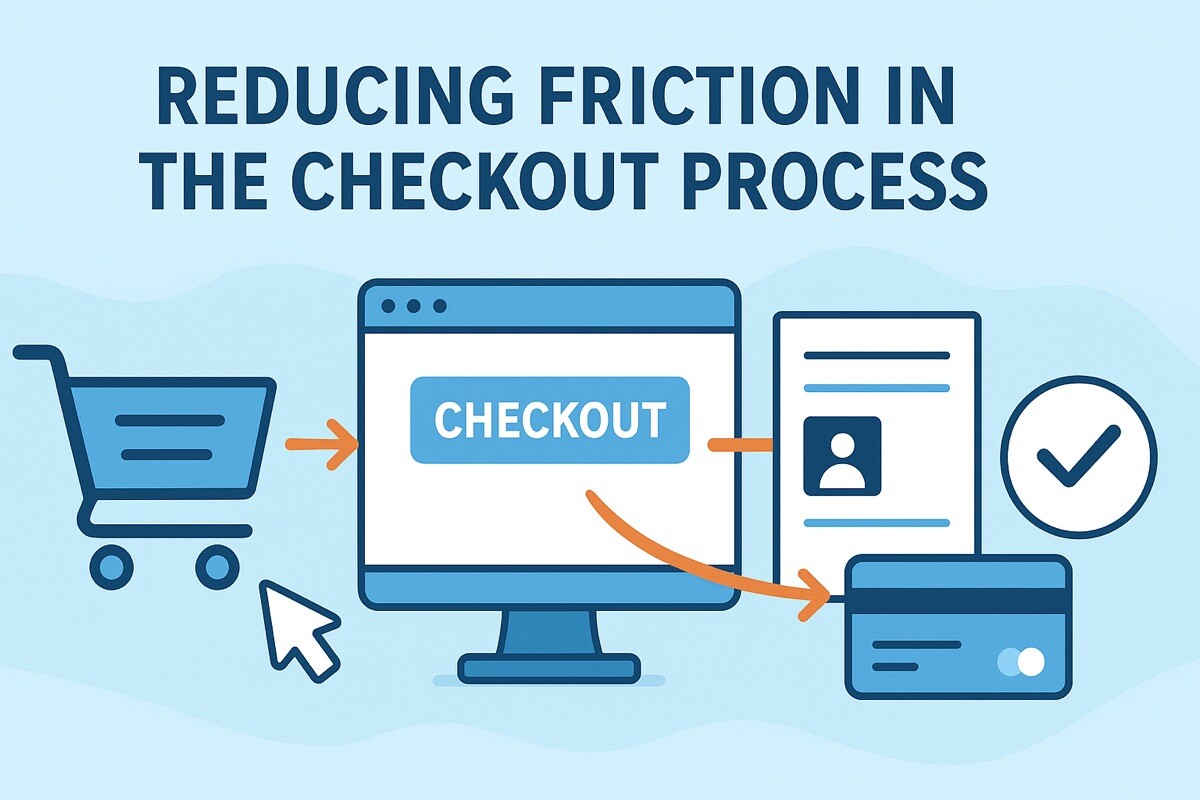
Every unnecessary step can create another opportunity for visitors to abandon a process.
For lead-generation websites, review whether contact forms request more information than the sales team actually needs at the first interaction. Asking for a name, email address, and a brief description of the project may be sufficient to begin a conversation.
For ecommerce businesses, unexpected shipping charges, confusing delivery information, and unnecessary checkout steps can discourage purchases.
However, simplifying a form does not mean removing every qualification question. Businesses with complex services may need enough information to determine whether an inquiry is relevant.
The goal is to find a reasonable balance between convenience and the information required to serve the customer effectively.
5. Strengthen Trust With Relevant Evidence
Visitors are more likely to consider an unfamiliar business when they can evaluate its credibility.
Useful trust signals include genuine customer testimonials, detailed case studies, transparent service descriptions, recognizable certifications where applicable, and clear contact information.
A strong case study should explain the original challenge, the work completed, and the outcome. Specific evidence is generally more useful than unsupported statements claiming to be the best provider in an industry.
A website marketing agency can help organize these elements so that they support important decisions without overwhelming the page.
Trust also depends on consistency. Broken links, outdated information, intrusive pop-ups, and unclear pricing policies can undermine an otherwise professional presentation.
6. Use Analytics and Testing to Find Better Opportunities
CRO needs to be based on evidence, and it needs to be continual. Website analytics can tell you which pages people visit, where they drop off, and which clicks lead to an enquiry or purchase.
Bring in this information and add in customer comments, recordings of sessions where you have the appropriate consent to do so, and usability testing to get to the bottom of what might lie behind the numbers.
For instance, if you have a product or service page drawing good traffic, but not many contacts, determine whether you have a compelling offer, whether you provide answers to the questions people ask, and whether the way to get in touch is user friendly.
And then test a significant change, like a more prominent call to action or a clearer headline.
Don’t think all changes in design will lead to improved conversions. Results depend on who your visitors are, what offer you’re making, where the traffic comes from, and what industry you’re in. Experiment!
7. Evaluate CRO by Business Results
Conversion rate alone is not necessarily indicative of improved performance when the extra conversions are not as good.
Monitor performance against key business measures, such as leads qualified, transactions, sales revenue, and cost to acquire a customer. When appropriate, benchmark performance by traffic source and landing page.
Also consider the time required to convert. A visitor researching an expensive business service may need several interactions before making a decision.
Frequently asked question: How quickly can CRO improve results?
Some usability problems can be fixed immediately, but measurable improvements depend on traffic volume, the type of change, and how quickly enough evidence becomes available. Avoid making major decisions based on a handful of visits or conversions.
Conclusion

More often than not, improved conversion rates are achieved by eliminating more than by making your marketing more complex. Concise positioning, dedicated calls to action, fewer forms, trusted validation, and rigorous testing allow your site to convert more of the traffic you already drive.
To make your CRO a success, you start by getting to know your visitors and identifying what stops them doing what you want them to do. When you test your modifications and track the right business metrics you will create a more effective website and get better value from your marketing investments.


