Why Rodent Problems Get Expensive Faster Than People Expect
Most people think a mouse problem is cheap to fix. Couple traps, maybe some poison, done. That’s usually how it starts. Then three weeks later you hear scratching behind the drywall at 2 a.m. and suddenly the whole thing feels different. The real truth about rodent control cost is that it depends on how long the infestation has been sitting there quietly multiplying. Small problem? Fairly manageable. Big infestation hiding in attics, crawlspaces, insulation, kitchen walls? That can get ugly pretty quick.
A lot of homeowners wait too long because they think they only saw “one mouse.” That one mouse almost never lives alone. Rats especially move smart. They hide during the day, stay close to food sources, and leave damage behind that most people don’t notice till later. Wiring gets chewed. Insulation smells bad. Food contamination happens slowly. Then the repair bill stacks on top of the extermination cost and now the numbers hurt a little.
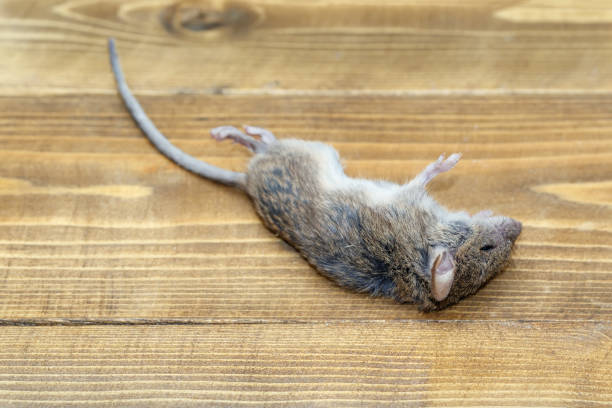
The Average Rodent Control Cost Depends On The Infestation Size
There isn’t one flat number that fits every house. Anybody promising that upfront is usually oversimplifying things. A basic service visit for mice might be relatively affordable if the issue is caught early. But large-scale rat removal involving multiple treatments, sealing entry points, attic cleanup, and follow-up inspections costs a whole different amount.
Homes with severe infestations usually need repeated visits. Not because exterminators are trying to drag things out, either. Rodents reproduce fast. One treatment rarely solves a mature infestation completely. Eggs, nests, hidden colonies — all that stuff matters.
Bigger homes also naturally cost more. More square footage means more hiding spots. More crawlspaces. More vents. More chances for rodents to sneak around unseen. Older homes can be worse because tiny foundation gaps and aging construction materials create easy entry points. Some houses practically invite rats inside without the owner realizing it.
And honestly, location changes pricing too. Urban areas with serious rat populations usually see higher pest control rates. Rural homes deal with field mice constantly, especially during colder seasons when they start looking for warmth indoors.
Mice And Rats Cause More Damage Than Most People Think
People laugh off mice sometimes. Tiny little thing in the pantry. Doesn’t seem serious. But mice and rats are destructive in a really irritating way because they never stop chewing. Ever. Their teeth keep growing, so they constantly gnaw through stuff. Wood. Plastic. Electrical wiring. Drywall corners. Storage boxes. Doesn’t matter.
That electrical damage becomes dangerous fast. House fires linked to rodent activity happen more than people realize. Then there’s contamination. Rodent droppings in kitchen cabinets or food storage areas create health risks nobody wants to mess with. Allergies can flare up too. Same with respiratory issues from droppings and urine buildup in enclosed areas.
This is why professional exterminators usually inspect beyond the obvious problem area. You may see one mouse in the kitchen, but the nesting site could actually be behind insulation upstairs or under the home. That’s where rodent control cost increases. It’s not just removing the visible animal. It’s tracking the entire infestation properly.
DIY Traps Sometimes Work… Until They Don’t
There’s nothing wrong with trying traps first if the issue is tiny. A couple snap traps near a pantry wall might solve a very early mouse problem. Sometimes homeowners get lucky. But people waste a lot of money trying random store-bought solutions for months while rodents keep breeding behind the scenes.
Poison especially gets messy. Rats eat it, disappear into walls, then die somewhere inaccessible. Now the house smells terrible for days or weeks. Some homeowners end up paying professionals anyway just to locate dead rodents hidden inside walls or attic spaces. Bad situation.
A decent mice and rat killer product can help in targeted situations, but homeowners often use them incorrectly. Wrong placement. Too few traps. No understanding of rodent behavior. Rats are cautious creatures. They avoid new objects sometimes for days. Mice move differently. You kind of need strategy with this stuff.
And honestly, DIY rarely handles entry point sealing properly. That part matters more than people think. Killing rodents without blocking access just creates an endless cycle. More come back. Always.
Why Exclusion Work Changes Rodent Control Cost Significantly
Exclusion is the boring part nobody talks about enough. But it’s probably the most important step. This means sealing every possible entry point rodents use to enter the home. Tiny cracks around pipes. Roofline gaps. Vent openings. Garage corners. Foundation holes. Dryer vent access. The list keeps going.
Good exclusion work takes time. Skilled labor too. Cheap patch jobs fail fast because rats can chew through weak materials surprisingly easily. Professionals use steel mesh, sealants, metal flashing, and reinforced materials designed specifically for rodent prevention.
This is usually where homeowners see the biggest jump in rodent control cost. Not because the exterminator is overcharging, but because the labor becomes detailed and time consuming. A technician may spend hours crawling through tight attic spaces hunting for openings most people would never notice.
Still, exclusion saves money long term. Otherwise you’re basically renting temporary relief while new rodents keep moving in every season.
Seasonal Changes Make Rodent Problems Worse
Fall and winter create a huge spike in rodent infestations. Happens every year. Temperatures drop outside and rodents start searching for heat, food, and shelter indoors. Homes become perfect targets. Warm walls. Food crumbs. Quiet storage spaces. Easy survival.
That’s why pest companies get slammed during colder months. Appointments fill up fast, and emergency services can cost more because demand jumps. Some homeowners wait too long hoping the problem disappears on its own. It rarely does.
Spring brings different issues. Rodents that survived winter start breeding aggressively. So if a small winter problem wasn’t fully solved, spring can suddenly explode into a bigger infestation. Then people wonder why they’re hearing movement everywhere.
Preventative inspections actually save money here. Not exciting advice, maybe, but true. Catching rodent activity early almost always lowers overall rodent control cost compared to waiting till nests and damage spread across multiple parts of the house.
Attic And Crawlspace Infestations Cost More To Handle
Once rodents settle into attics or crawlspaces, things get complicated. These areas are difficult to access, usually dusty, cramped, hot, or contaminated already. Technicians often need protective equipment because rodent droppings can carry harmful bacteria and airborne particles.
Insulation contamination becomes a major issue too. Rats and mice urinate constantly while nesting. That smell soaks into insulation material. Sometimes full insulation replacement is needed after severe infestations because cleaning alone won’t remove the contamination completely.
That’s one reason attic infestations increase rodent control cost quickly. It becomes more than extermination. Now cleanup, sanitation, odor treatment, and restoration work enter the picture too.
Some homeowners are shocked when they discover how extensive hidden rodent activity became. Entire nesting tunnels inside insulation. Chewed air ducts. Torn vapor barriers. Dead rodents buried in corners. Not pretty.
Choosing The Right Pest Control Company Actually Matters
Cheapest quote doesn’t always save money. That’s the hard truth. Some companies throw down bait, collect payment, and disappear. No follow-up. No inspection depth. No exclusion work. The rodents come back three months later and now you’re paying twice.
Good exterminators explain the full situation clearly. They inspect thoroughly, document problem areas, identify entry points, and outline realistic expectations. Because rodent problems aren’t magic. Serious infestations take work and time.
You also want somebody experienced with both mice and rats specifically. Their behaviors differ. Trap placement differs. Nesting patterns differ. Treatment plans should reflect that.
Read reviews carefully too. Not just star ratings. Actual customer experiences. Look for complaints about recurring infestations or unfinished work. A reliable pest company usually focuses heavily on prevention, not just killing visible rodents temporarily.
And yeah, warranties or follow-up guarantees matter more than people realize. Rodent work sometimes requires adjustments after the initial treatment phase.
Prevention Costs Less Than Repeated Infestations
People spend hundreds or thousands fighting recurring rodents while ignoring the habits attracting them in the first place. Open pet food. Unsealed trash bins. Cluttered garages. Bird seed storage. Easy water access. All of that encourages rodent activity around the property.
Tree branches touching roofs create highways for rats. Overgrown vegetation near foundations gives rodents cover. Small maintenance issues slowly become infestation problems over time.
Simple prevention makes a huge difference. Seal food properly. Reduce moisture issues. Store clutter in durable containers instead of cardboard boxes. Inspect exterior gaps twice yearly. These aren’t glamorous fixes, but they help.
A good mice and rat killer might remove current rodents, but prevention stops future colonies from settling in again. That’s the part homeowners sometimes skip because once the scratching noise stops, people move on. Till six months later when it starts again behind another wall.

Final Thoughts On Rodent Control Cost And Long-Term Protection
Rodent infestations rarely stay small forever. That’s probably the biggest takeaway here. The earlier the problem gets handled, the lower the overall rodent control cost usually stays. Waiting almost always increases damage, cleanup needs, and treatment complexity.
Mice and rats are persistent little things. Smart too. They adapt fast, hide well, and reproduce constantly. That’s why professional inspections matter more than many homeowners expect. A proper extermination plan doesn’t just remove rodents. It identifies why they entered in the first place and helps stop future infestations too.
And honestly, homeowners shouldn’t feel embarrassed about rodent problems. Even clean houses get them sometimes. Weather changes, nearby construction, seasonal migration, neighborhood infestations — lots of factors contribute. What matters is dealing with it before the situation snowballs into structural damage and bigger repair bills.
A solid prevention strategy, proper sealing work, and experienced pest control usually pay off long term. Cheaper than constantly fighting the same rodent battle every few months, anyway.
FAQs About Rodent Control Cost
How much does rodent control cost for a typical home?
Rodent control cost varies depending on infestation size, home size, and treatment complexity. Small mouse problems generally cost less than widespread rat infestations involving attic cleanup or exclusion work. Severe infestations naturally require more labor and follow-up visits.
Does homeowners insurance cover rodent damage?
Usually not. Most homeowners insurance policies consider rodent damage preventable maintenance rather than sudden accidental damage. It’s frustrating, honestly, but common.
What is the best mice and rat killer for home use?
The best mice and rat killer depends on the infestation type. Snap traps work well for small mouse issues. Professional bait systems and targeted trapping strategies are often more effective for larger rat infestations. Random poison use can create odor problems inside walls.
How long does professional rodent removal take?
Minor infestations might improve within days. Larger infestations often require multiple visits over several weeks. Exclusion work and monitoring take time because rodents hide extremely well.
Can rodents come back after treatment?
Yes, absolutely. Especially if entry points stay open. Effective rodent prevention requires sealing access areas, reducing food sources, and maintaining the property properly after extermination.
Are rats more expensive to remove than mice?
Usually yes. Rats are larger, smarter, more cautious around traps, and often cause heavier structural damage. Rat infestations also tend to require more aggressive treatment plans and exclusion repairs.