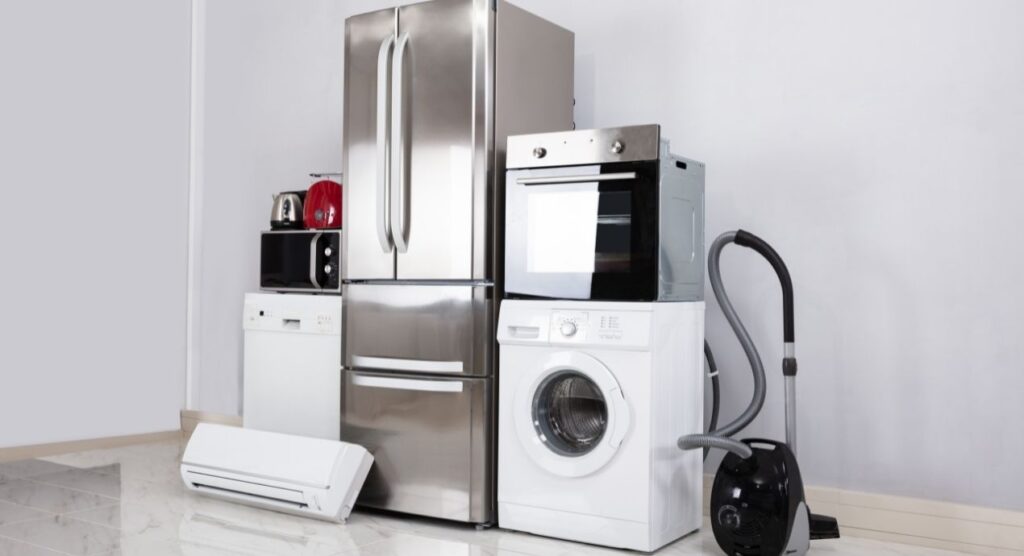
Most people ignore their appliances until something dies on a Sunday night. I’ve seen it a hundred times. The fridge hums a little weird, the dishwasher leaves a film on the glasses, and everybody shrugs. Then boom, food’s spoiled, the kitchen floor is wet, and you’re scrambling to find appliance repair St. Louis folks can actually trust. Here’s the thing though. Appliances almost never fail without warning. They give you hints, sometimes for months. The trick is knowing which hints are harmless and which ones mean a tech should look at it now. This post walks through the signs I’d never ignore in my own house, plus how to decide whether fixing is smarter than replacing.
Strange Noises Are Never Just Noises
Grinding, squealing, clicking, banging. None of that is normal. A washer that thumps like a shoe is stuck in the drum might have a worn bearing or a busted shock pad, and bearings don’t heal themselves. A dishwasher that grinds usually has junk in the pump, or the pump itself is going. Fridges make some noise, sure, but a loud buzzing or rattling from the back often points at a failing condenser fan or compressor. Compressors are expensive. Catching the fan early can save you real money. If a sound is new and it doesn’t go away after a day or two, write down when it happens and what the machine was doing. Techs love that kind of detail, it speeds up the diagnosis.
When Your Electric Bill Quietly Creeps Up
Nobody checks their appliances when the bill goes up. They blame the weather, or the kids, or the utility company. But a dryer that takes two cycles to dry one load is burning double the energy, and a fridge running nonstop is basically a space heater with a door. Dirty coils, a bad door seal, a weak thermostat, any of those can do it. St. Louis summers are brutal on cooling appliances anyway, so there’s no room for waste. Compare your last few months of bills. If there’s a jump and nothing else changed, an inefficient appliance is a prime suspect. Sometimes a cheap fix brings the number right back down, and sometimes the machine is just old and tired. That’s where a discount appliance purchase might actually pay for itself.
Leaks, Puddles, and That Musty Smell
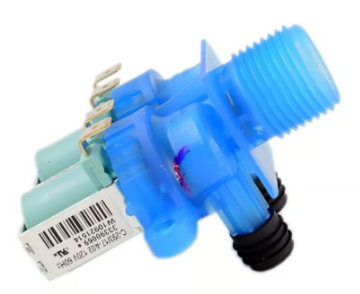
Water where water shouldn’t be is an emergency, plain and simple. A puddle under the washer, a damp spot near the dishwasher, ice building up inside the freezer, all of it points to something failing. Hoses crack. Gaskets rot. Drain lines clog. And if you smell mildew from a front-loader, the door boot is probably holding moisture and growing stuff you don’t want to think about. Leaks also ruin flooring, and that bill dwarfs the repair. Shut off the water supply, unplug the unit if it’s safe, and call someone. By the way, if the repair quote scares you, scratch and dent appliances are a real option for a replacement, because the cosmetic flaws are usually on a side panel nobody ever sees.
Washer and Dryer Trouble You Shouldn’t Ignore
Laundry machines work hard, so they wear out in predictable ways. Clothes still soaking wet after a spin cycle? Drain pump or lid switch. Dryer runs but nothing gets hot? Heating element or thermal fuse, and lint buildup can make that fuse blow for a reason, which is a fire risk. Please don’t shrug that one off. A burning smell, super long dry times, or a drum that won’t turn are all calls to make today. The good news is a lot of these problems come down to a single cheap part. If you’re a hands-on type, a washer and dryer parts store near me is probably the first search you’ll run, and that’s fine for simple swaps like belts or knobs. Anything involving gas lines or wiring, leave it to a pro.
Fridge and Freezer Red Flags
Your fridge is the one appliance you can’t live without for even a day. If food spoils faster than it used to, if the freezer’s making frost like a snow globe, or if the back of the unit feels hot, pay attention. Milk going sour two days early isn’t bad luck. It’s a cooling problem. Warm spots, a constantly running motor, water pooling inside the crisper, all of that adds up. And fridges are pricey to replace, which is why people hold on too long. I’d rather you call early than lose four hundred bucks of groceries. If it does end up being a goner, searching for wholesale appliances near me can turn up a solid replacement without paying showroom prices.
Repair or Replace? Do the Math
There’s an old rule, and it’s decent: if the repair costs more than half the price of a new one, and the unit’s past ten years, replace it. Under that, repair usually wins. But don’t follow it blindly. A twelve-year-old washer with a ten dollar hose problem? Fix it, obviously. A dryer with a dead motor and a cracked drum? Move on. Think about parts availability too, because some older models are tough to source for. When you do replace, don’t overlook discount appliances stores, since open-box and floor models often carry full warranties. Even a quick look at appliance outlet near me results can show you brand-name machines for far less. Just ask about the warranty before you hand over cash.
Why Local Help Beats Guessing Online
YouTube is great, until it isn’t. I’ve watched people turn a fifty dollar repair into a six hundred dollar mistake by pulling the wrong wire. Local techs know the quirks of local homes, the hard water that kills dishwasher parts, the older wiring in some neighborhoods, the humidity that wrecks seals. At St. Louis Appliance Wholesalers we see all of it, and we’d always rather tell you the straight answer than sell you something you don’t need. If your appliance is beyond saving, we also help you shop smart. Plenty of customers come to us after trying appliance outlet stores that were picked over, or hunting through appliance discount stores near me and finding nothing in stock. Having repair and sales under one roof just saves time.
FAQs
How do I know if my appliance is worth fixing?
Check the age first, then the repair quote. If the fix is under half the cost of a new unit and the appliance is less than ten years old, repairing it is usually the smarter move.
Is it safe to keep using an appliance that’s acting up?
Depends on the problem. Odd noises or slow performance, probably okay for a day or two. Burning smells, sparks, gas odors, or leaking water means stop using it right away.
How long do most home appliances last?
Fridges and washers tend to go twelve to fifteen years, dryers a bit longer, dishwashers closer to nine or ten. Maintenance changes those numbers a lot.
Can I save money buying a replacement?
Yes. Open-box, floor models, and cosmetically flawed units come with real discounts, often with the same warranty as brand-new ones.
Conclusion
Appliances rarely die quietly. They get loud, leaky, hot, or just plain slow, and those are your cues. Listen to them. Check your bills, look under the machines now and then, and don’t wait for a total breakdown to make a call. A small repair caught early is cheap, and a big one caught late hurts. When the math says replace, you’ve got options that won’t drain your savings. Either way, get a straight answer from someone who knows the local scene. That’s what we’re here for at St. Louis Appliance Wholesalers, so reach out before the next Sunday night disaster.