A damaged vehicle can create enough stress without wondering why repairs are taking longer than expected. Although some collision repairs can be completed quickly, others require extra time because of hidden damage, parts availability, insurance approvals, or complex repair procedures. Understanding these factors can make the process easier to manage. Working with experienced Auto Body Collision Experts can also help vehicle owners understand what is happening and what may affect the expected completion date.
Why Collision Repairs Sometimes Take Longer Than Expected
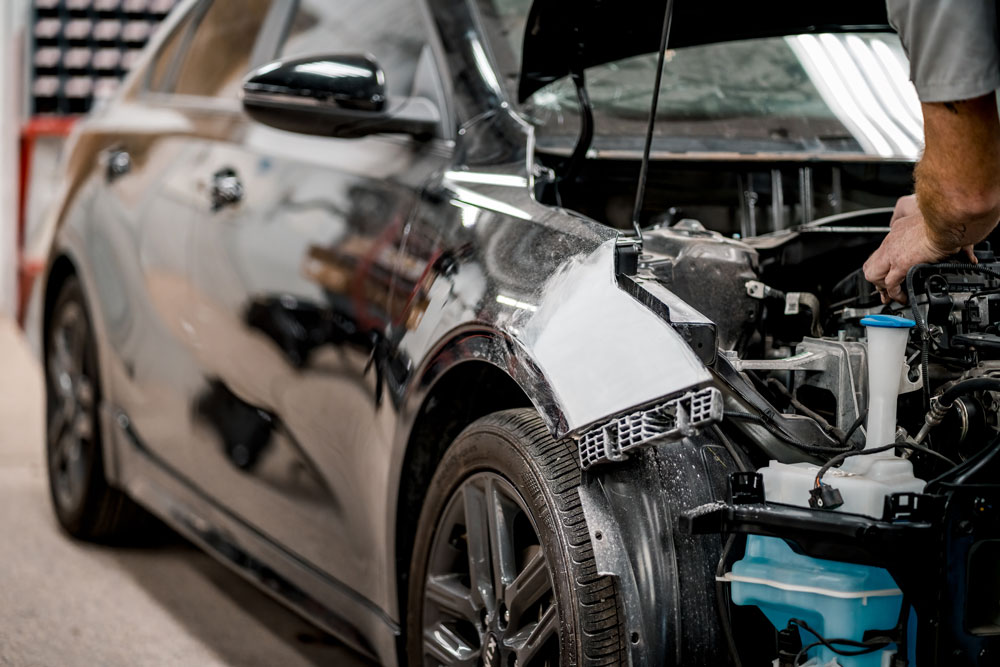
Not every accident causes visible damage. A vehicle may appear to need only a replacement bumper or a few cosmetic repairs, but technicians can discover structural or mechanical problems after removing damaged components.
The repair process also involves several stages. Technicians must inspect the vehicle, prepare an estimate, order necessary parts, complete structural and cosmetic work, and perform quality checks before returning the vehicle to its owner.
Because each accident is different, repair times can vary significantly. A minor fender impact may require only a few days, while a more serious collision can take several weeks.
Common Causes of Auto Body Collision Repair Delays
Several factors can affect how quickly a damaged vehicle moves through the repair process. Knowing the most common causes can help owners set realistic expectations.
Hidden Damage Discovered During Repairs
One of the most common reasons for delays is damage that cannot be seen during the initial inspection.
Modern vehicles contain numerous components behind bumpers, panels, lights, and other exterior parts. An impact that looks minor from the outside may have damaged brackets, sensors, wiring, suspension components, or structural areas underneath.
Once technicians remove damaged panels, they can inspect these areas more closely. If additional damage is discovered, the repair plan and estimate may need to change.
This can add time because new parts may have to be ordered and additional procedures may be required.
Delays in Getting Replacement Parts
Parts availability can have a major effect on repair schedules. Common components are often readily available, but certain vehicles may require parts that are difficult to source.
Delays can occur when:
- A replacement part is temporarily out of stock
- The manufacturer has limited inventory
- A part must be shipped from another location
- A vehicle uses uncommon or specialized components
- A replacement part arrives damaged or incorrect
Even when technicians are ready to work, they may have to pause the repair until the correct component arrives.
Insurance Approval Takes Time
Insurance companies often play an important role in the collision repair process. Depending on the accident and coverage, an insurer may need to review the damage, approve an estimate, or authorize additional repairs.
The process can become longer when hidden damage is discovered after work begins. In that situation, the repair facility may need to submit a supplemental estimate and wait for authorization before continuing with certain repairs.
Prompt communication between the vehicle owner, repair facility, and insurance company can help reduce unnecessary waiting.
How Vehicle Damage Affects Repair Time
The severity and location of damage have a direct impact on how long repairs take. Cosmetic damage is generally less complicated than structural or mechanical damage.
Cosmetic Damage
Scratches, dents, paint damage, and minor panel issues may require fewer repair steps. Technicians may repair or replace a panel, prepare the surface, apply paint, and complete the finishing process.
However, even cosmetic work requires proper preparation and curing time. Rushing these steps can affect the final appearance and durability of the repair.
Structural Damage
Structural repairs typically require greater precision. Technicians may use specialized measuring and repair equipment to restore the vehicle’s structure according to manufacturer specifications.
Because accuracy is critical, these repairs can take considerably longer than straightforward cosmetic work.
Mechanical and Electronic Damage
A collision can also affect suspension components, cooling systems, electrical wiring, cameras, radar sensors, and other systems.
Modern vehicles rely heavily on electronic safety and driver-assistance features. After repairs, certain systems may need inspection, calibration, or testing before the vehicle is ready for the road.
Why Modern Vehicles Can Require Additional Work
Today’s vehicles are built with advanced materials and technology designed to improve safety, efficiency, and performance. While these features provide important benefits, they can also make collision repairs more involved.
For example, a bumper may contain sensors that support parking assistance or other driver-assistance functions. A seemingly simple bumper replacement may therefore require additional inspection and calibration.
Technicians must also follow vehicle-specific repair procedures. Using the correct materials, equipment, and methods helps ensure that repairs meet applicable manufacturer requirements.
As a result, a repair that looks simple to a vehicle owner may involve several technical steps behind the scenes.
The Role of Repair Estimates and Supplemental Damage
Initial estimates are based on the information available when the vehicle is inspected. They are not always the final description of every repair that will be necessary.
After disassembly, technicians may find additional damage. The repair facility may then prepare a supplemental estimate covering the newly discovered work.
This process can affect the timeline because additional parts, labor, materials, or approvals may be required.
Why Disassembly Matters
Disassembly allows technicians to examine areas that cannot be properly evaluated from the outside. It can reveal bent supports, damaged mounting points, broken clips, wiring problems, or other issues.
Although this step may seem to slow the process, identifying problems early can prevent incomplete repairs and additional complications later.
Paint and Finishing Work Can Add Time
Painting is more than simply spraying color onto a repaired panel. Proper refinishing requires surface preparation, matching the vehicle’s color, applying coatings, allowing appropriate curing time, and completing final finishing work.
Color matching can also require careful attention, particularly on older vehicles where paint may have changed slightly due to weather and exposure.
After painting, technicians inspect the finish for consistency and quality. Additional correction may be necessary if the finish does not meet the required standard.
Repair Shop Workload Can Affect Scheduling
A repair facility’s current workload can influence when a vehicle enters each stage of the process.
After major storms, hail events, or periods with unusually high accident rates, repair shops may receive a large number of vehicles at once. This can increase waiting times even when the technicians are working efficiently.
Vehicle owners can ask the repair facility about the estimated start date, current repair stage, and expected completion window. Regular communication makes it easier to understand whether a delay comes from scheduling, parts, insurance, or additional repairs.
How Vehicle Owners Can Help Reduce Delays
Although not every delay can be prevented, vehicle owners can take several practical steps to keep the process moving.
Provide Accurate Information
Give the repair facility accurate information about the accident and any symptoms noticed afterward. Mention unusual sounds, warning lights, handling changes, or electronic problems.
Small details can help technicians investigate potential issues more efficiently.
Respond Quickly to Questions
Repair facilities or insurance representatives may need information or approval during the process. Delayed responses can create additional waiting time.
Keeping your phone and email available can help prevent unnecessary communication gaps.
Ask About Parts Availability
Before repairs begin, ask whether all major replacement parts are available. If a particular component is backordered, knowing this early can help you understand the expected timeline.
Stay in Contact With the Repair Facility
Ask for reasonable progress updates rather than waiting until the original completion date. A professional repair facility should be able to explain whether the vehicle is awaiting parts, undergoing repairs, receiving additional approval, or moving through final inspections.
A Typical Collision Repair Timeline
Repair times vary, but the process commonly follows several stages.
| Repair Stage | What Usually Happens | Possible Delay |
|---|---|---|
| Initial Inspection | Damage is assessed and an estimate is prepared | Insurance review |
| Disassembly | Damaged areas are opened for closer inspection | Hidden damage |
| Parts Ordering | Required components are sourced | Backorders |
| Structural Repairs | Vehicle structure is restored when necessary | Complex damage |
| Body Repairs | Panels and exterior components are repaired or replaced | Additional damage |
| Painting | Surfaces are prepared, painted, and finished | Color matching or curing |
| Reassembly | Components are installed and systems are checked | Missing or delayed parts |
| Final Inspection | Repairs and vehicle functions are reviewed | Additional corrections |
This timeline is not a fixed schedule. A minor repair may move through these stages quickly, while a heavily damaged vehicle may require additional procedures.
Why Quality Should Not Be Sacrificed for Speed
When a vehicle has been damaged, it is understandable to want it back as soon as possible. However, shortening the repair process by skipping necessary inspections or procedures can create bigger problems later.
Collision repairs should restore the vehicle as carefully as possible. Structural alignment, component installation, paint preparation, safety-system checks, and final inspections all deserve appropriate attention.
A professional repair process focuses on completing the necessary work correctly rather than simply reaching a quick completion date.
Questions to Ask About a Delayed Repair
If your repair is taking longer than originally expected, ask clear and specific questions.
Consider asking:
- What is currently delaying the repair?
- Were additional problems found after disassembly?
- Are any parts backordered?
- Is the vehicle waiting for insurance approval?
- What stage of the repair is currently underway?
- Are additional inspections or calibrations required?
- Has the estimated completion date changed?
These questions can provide a clearer picture of the situation and help avoid confusion.
Conclusion
Collision repair delays can happen for many legitimate reasons, including hidden damage, unavailable parts, insurance approvals, complex structural work, electronic system calibration, paint requirements, and shop scheduling. While some delays are unavoidable, clear communication can make the process much easier for vehicle owners to understand. Rather than focusing only on how quickly the vehicle can be returned, it is important to ensure that every necessary repair is completed properly. By asking informed questions, responding promptly, and staying in contact with the repair facility, vehicle owners can better manage expectations and help keep the repair process moving toward a safe, complete result.