Walk down any wellness aisle in 2026 and the mushrooms find you first in the coffee, the chocolate, the gummies, the little brown bottles promising focus, calm, and a stronger immune system. The global market for functional mushrooms was valued at roughly $31.7 billion in 2023 and is projected to nearly double to about $66 billion by 2030. That kind of growth explains why nearly every wellness brand now has a mushroom line but it also means the category is crowded with products that vary wildly in quality.
The marketing is confident in a way the science often isn’t. Despite widespread claims around focus, energy, stress regulation, and immune support, current research doesn’t yet fully substantiate every benefit attributed to adaptogenic mushrooms like reishi, lion’s mane, and cordyceps. That doesn’t mean these supplements are worthless, it means buying one requires a bit more judgment than grabbing whatever has the nicest label.
Not All Mushroom Species Do the Same Thing
Here’s where a lot of first-time buyers go wrong: they assume mushroom supplements are basically interchangeable. They’re not. Lion’s Mane is generally associated with brain health, Reishi with relaxation, Cordyceps with energy support, and Chaga with antioxidant activity, and picking one without knowing which outcome you’re actually after usually ends with a bottle collecting dust in a cabinet.
The evidence behind each species also varies more than marketing copy suggests. Human trials on Lion’s Mane have shown measurable improvements in attention, working memory, and sleep quality, while Reishi has plausible immune-modulating data but relatively few high-quality sleep studies backing it up. Knowing this upfront helps set realistic expectations instead of chasing a “cure-all.”
Why Sourcing and Species Verification Matter
Mushrooms are bioaccumulators; they absorb whatever’s in their growing environment, good compounds and contaminants alike. A supplement grown in questionable conditions can carry heavy metals right alongside whatever’s supposed to be beneficial, which defeats the purpose entirely. Brands that are transparent about where and how their mushrooms are grown are worth the extra few minutes of research.
Species labeling deserves a closer look too. Wild Cordyceps sinensis is extremely expensive and rarely what’s actually inside western supplements most products use Cordyceps militaris or a fermented hybrid strain, so checking the label matters. If you’re comparing a new ethnobotanical brand for the first time, keeping an eye out for Amentara Promo Codes before checkout is a reasonably low-risk way to try a reputable line without committing to full price on your first order.
Extraction Method: The Detail Most Labels Bury
Raw mushroom powder isn’t the same as a properly extracted supplement, and this difference actually matters. Mushroom cell walls are made of chitin, which the human digestive system doesn’t break down easily on its own. Dual extraction remains the most reliable method for preserving both water-soluble and fat-soluble compound classes, and formulation research has flagged real stability challenges particularly around certain compounds breaking down in liquid formats over time. A product listing “mushroom” as an ingredient doesn’t guarantee your body is absorbing much of anything.
Fruiting Body vs. Mycelium
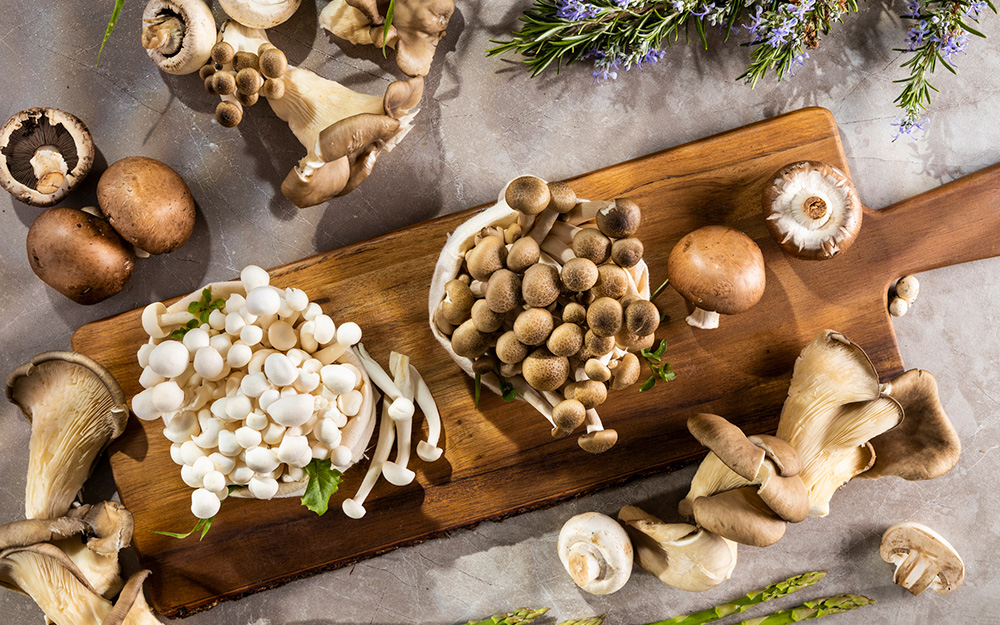
This distinction is worth understanding before spending money in this category. The fruiting body is the mushroom you’d recognize visually. Mycelium is the root-like network it grows from, and cheaper supplements are sometimes made largely from mycelium grown on grain which dilutes potency more than most buyers realize. Checking whether a label specifies “fruiting body extract” takes about five seconds and tells you a lot.
Third-Party Testing Isn’t Optional
Because functional mushroom supplements aren’t regulated the way pharmaceuticals are, quality control swings wildly between brands. Look for published certificates of analysis and potency verification. This becomes especially important with species like Chaga mushroom which are high in oxalates, with case reports linking heavy consumption to oxalate-related kidney issues, meaning anyone with kidney disease or kidney stones should approach it cautiously. A brand willing to publish testing data openly is generally more trustworthy than one relying on vague claims.
Dosage Transparency and Proprietary Blends
Proprietary blends that don’t disclose exact milligram amounts per species make it nearly impossible to know whether you’re getting an effective dose or a token amount for marketing purposes. Brands listing specific quantities per ingredient tend to be more honest about what’s actually in the bottle.
Matching the Supplement to Your Actual Goal
Someone chasing mental clarity during long workdays needs something different than someone recovering from intense training. Reishi carries a reputation for calm and stress support. Lion’s Mane draws attention for cognitive focus. Cordyceps shows up constantly in conversations about energy and endurance, and a 2026 review in Phytotherapy Research offered the most thorough synthesis yet of Cordyceps militaris evidence, covering lab, animal, and human clinical data. None of these are magic solutions, but understanding the traditional and researched use case for each narrows the decision considerably.
Format, Price, and a Quick Safety Check
Capsules suit consistent dosing, powders offer flexibility for smoothies or coffee, and tinctures tend to absorb faster since they bypass some digestive breakdown. None is objectively “best”; it comes down to what fits your routine without becoming a chore.
Price is worth an honest conversation too. Proper extraction, testing, and sourcing all cost money, so quality rarely comes cheap though the priciest bottle isn’t automatically the best one. And before adding anything new to a routine, a quick check with a healthcare provider is worth it, especially given documented interactions like Chaga and anticoagulant use.
The Bottom Line
Functional mushroom supplements can be a reasonable, low-risk addition to a wellness routine but the real question isn’t “do mushrooms work.” It’s whether a specific product is honest about its contents, properly extracted, and matched to a benefit the research actually supports. Getting that right usually means a bit of label-reading before checkout, not after.
FAQs
What are functional mushroom supplements used for?
They’re commonly used to support focus, immune resilience, energy, and stress adaptation, with the specific benefit depending on the mushroom species.
What’s the difference between fruiting body and mycelium supplements?
Fruiting body refers to the actual mushroom, generally containing higher concentrations of active compounds, while mycelium is the root-like growth structure that’s often more diluted.
Why does the extraction method matter for mushroom supplements?
Mushroom cell walls require proper extraction, typically hot water or dual extraction, to release compounds the body can actually absorb.
How can I tell if a mushroom supplement brand is trustworthy?
Look for third-party lab testing, transparent per-species dosage, and clear sourcing and extraction information rather than vague label claims.
Are functional mushroom supplements safe to take daily?
Most are well-tolerated, but certain species carry specific risks (like Chaga and kidney concerns), so checking with a healthcare provider first is worthwhile.