Walk down any supplement aisle and you’ll see it. Rows and rows of bottles promising smoother knees, happier hips, fingers that don’t ache on a cold morning. Joint pain relief supplements are a huge business now, and honestly, most people buying them have no clue which ones have anything behind them. That’s not their fault. The labels are loud and the science is quiet. At Grimmster Industries we figure people deserve the straight version, so here it is. Some of this stuff has decent evidence. Some has weak evidence. Some is just expensive hope in a capsule. Let’s sort through it, slowly, without the sales voice.
What Joint Pain Actually Is (And Isn’t)
Before you spend a dime, get clear on what’s going on in there. Joints are where bones meet, cushioned by cartilage and lubricated by fluid, and held together by ligaments and tendons. When any piece of that gets worn, inflamed or injured, you feel it. Wear and tear is the common story, osteoarthritis being the big name. Inflammatory conditions like rheumatoid arthritis are a different animal entirely, and no supplement is going to fix those on its own.
Here’s the part people skip. Pain that sticks around, swelling, redness, a joint that locks or gives out, that needs a doctor. Not a bottle. Supplements are for support, for the everyday stuff, not for replacing a diagnosis. Keep that in your head and you’ll shop smarter.
Glucosamine and Chondroitin: The Old Standbys
These two have been around forever. Glucosamine and chondroitin are both found naturally in cartilage, and they’re usually sold together. The research on them is, well, mixed. Some studies found modest benefit for knee discomfort, others found barely more than placebo. Reviews keep going back and forth.
So why do people still take them? Because some folks swear they feel a difference, and the risks are generally low for most adults. Not for everyone though. Glucosamine is often made from shellfish, so allergies matter, and it can interact with blood thinners like warfarin. Give it a few months before judging, because if nothing changes by then, it’s probably not for you. Don’t keep buying out of habit.
Turmeric, Boswellia and the Anti-Inflammatory Crowd
Turmeric gets all the attention, mainly for curcumin, the compound inside it. Curcumin has some decent early research behind it for easing osteoarthritis discomfort, though plenty of studies are small and not all are well run. Here’s the catch. Curcumin on its own is poorly absorbed, so many products add black pepper extract or a special formulation to help it along.
Boswellia, sometimes called Indian frankincense, is another one you’ll see. Early studies look interesting, but we need bigger, longer trials before anyone gets too excited. Both of these can upset a stomach, and turmeric in high amounts may not play well with certain medications or gallbladder issues. Read the dose on the label, not just the front of the bottle.
Omega-3s, Collagen and Vitamin D: The Quiet Helpers
Fish oil doesn’t get the flashy headlines, but omega-3 fatty acids have real research for inflammation, especially in inflammatory joint conditions. For plain everyday aches the evidence is softer, though it’s still a reasonable thing to consider if you don’t eat much fish. If you take blood thinners, talk to your doctor first, since fish oil can affect bleeding.
Collagen is the trendy one. Some small studies suggest certain types, like undenatured type II collagen, might help with stiffness, but it’s early days. Then there’s vitamin D. It’s not a joint supplement exactly, but low levels are common and tied to bone and muscle health. Get your levels checked before you guess. Taking extra when you don’t need it isn’t smart, and too much can cause real problems.
Where Muscle Pain Relief Cream Fits In
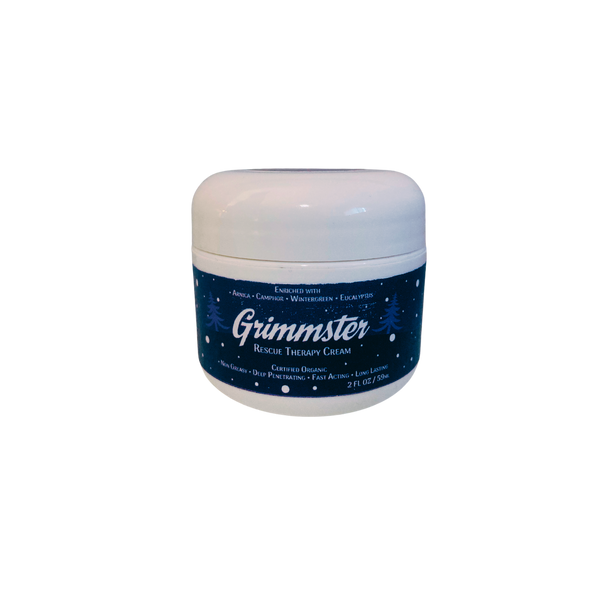
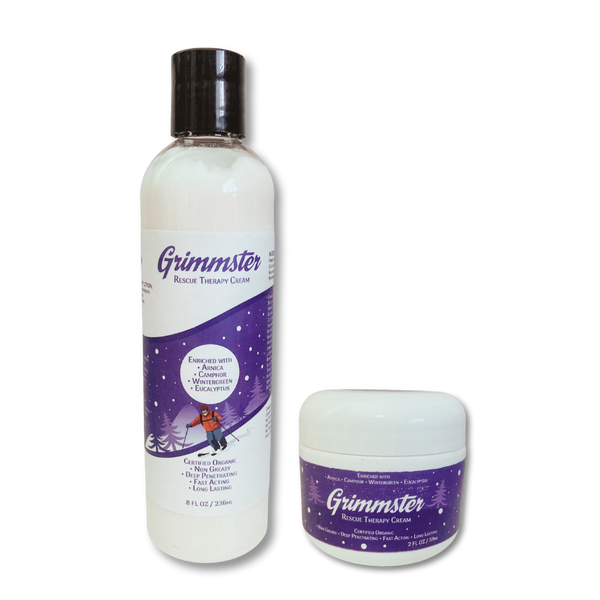
Supplements work from the inside and take weeks. Sometimes you just want something for tonight, right where it hurts. That’s where a muscle pain relief cream can earn its spot. Topicals sit on the skin over the sore area, and many contain ingredients like menthol, camphor, or capsaicin that create a cooling or warming feeling. Others use topical NSAIDs, which have decent evidence for certain joint and muscle aches.
Think of it as a short term helper, not a fix. It won’t rebuild cartilage and it won’t solve the cause. Still, after a long day on your feet or a hard workout, it can take the edge off while the slower stuff does its job. Don’t apply it to broken skin, don’t wrap the area tight over it, and wash your hands after. Skip the eyes, always.
How to Pick a Supplement Without Getting Burned
This is where most people mess up. They buy whatever has the biggest claims or the prettiest label. Don’t. Look for third party testing, from groups like USP or NSF, because supplements aren’t reviewed the way medications are before they hit shelves. That means what’s on the label might not match what’s in the bottle.
Be wary of anything promising to cure, reverse, or “rebuild” your joints overnight. Real joint pain relief supplements won’t talk like that. Check the actual amount of each ingredient, look at the other ingredients, and avoid proprietary blends that hide the numbers. Start with one product at a time so you can tell what’s helping, or what’s bothering your stomach. And write down the date you started. Sounds boring, but it works.
Habits That Matter More Than Any Bottle
Real talk, no capsule beats the basics. Moving your body helps joints more than most people expect. Low impact stuff like walking, swimming, cycling, and gentle strength work keep the muscles around a joint strong, and strong muscles take load off the joint itself. Extra body weight puts extra stress on knees and hips, so even small drops in weight can ease the pressure.
Sleep matters too, and so does what you eat. A diet heavy in vegetables, fish, nuts, and olive oil tends to be friendlier to inflammation than one built on processed food and sugar. Stretch. Take breaks if you sit all day. None of this is exciting, I know. But this is the foundation, and supplements are the extra layer on top, not the other way around.
Frequently Asked Questions
Do joint supplements really work?
Sometimes, for some people, and usually modestly. Glucosamine, curcumin and omega-3s have the most interest behind them, but results vary a lot. Give a product around two to three months, and if you feel nothing, stop spending money on it.
How long do they take to work?
Longer than you’d like. Unlike a pain pill, these build up slowly. Most people need several weeks at least before noticing anything, and some never notice a thing.
Is a muscle pain relief cream better than a supplement?
They do different jobs, so it’s not really better or worse. A cream targets one sore spot for quick, short term comfort. A supplement is meant for slower, whole body support. Plenty of people use both.
Can I take joint supplements with my medications?
Not always safely. Fish oil, glucosamine and turmeric can interact with blood thinners and some other drugs. Ask your doctor or pharmacist before you start, especially if you’re on prescriptions or have a health condition.
Are natural supplements automatically safe?
No. Natural just means it came from somewhere in nature, and plenty of natural things can cause harm at the wrong dose or for the wrong person. Pregnant or nursing women and anyone with a chronic illness should check first.
Conclusion
So what are the best joint pain relief supplements? Honestly, there’s no single winner. Glucosamine and chondroitin, curcumin, omega-3s, and maybe collagen all have some research behind them, with results that run from decent to so-so. Vitamin D matters if you’re actually low. Topicals can handle the short term aches. And none of it replaces movement, sleep, a sane diet, and a doctor when the pain won’t quit.
Pick one thing, buy from a brand that shows its testing, give it a fair run, and track how you feel. That’s it. Grimmster Industries believes in keeping joint care simple and honest, and that means treating supplements as support, not magic. Your joints have to last a long time. Look after them like you plan to use them.
