Most people think pulling a tooth is the hard part. Truth is, sometimes that’s the easy section. The real issue starts after the space is empty. Bone shrinks fast. Faster than people expect. You lose a tooth, the jawbone in that area slowly starts collapsing because it’s not being used anymore. That’s where extraction and bone graft procedures come into the conversation. Not because someone wants to add extra treatment. Because the foundation matters.
A lot of patients walk in wanting implants immediately. Makes sense. Nobody wants gaps or removable stuff. But if the bone underneath is weak, thin, or soft, the implant has nowhere solid to hold onto. It’s kind of like trying to anchor screws into drywall that’s crumbling. Doesn’t end well. So the short answer is this: bone grafting often protects the future implant before problems even begin.
Bone Loss Happens Quietly, And People Rarely Notice It
Here’s the strange thing about jawbone loss. You usually don’t feel it happening. No dramatic symptoms. No sharp warning signs. Your face may slowly change shape a little, chewing gets uneven, or nearby teeth shift. But most people don’t connect those things to missing teeth.
After an extraction, the body starts reabsorbing bone because it thinks that area isn’t needed anymore. That process can start within months. In some cases, weeks. And if infection existed before the tooth came out, the bone may already be damaged. So when people hear they need extraction and bone graft treatment together, it’s often because preserving bone immediately gives better long-term results. Waiting too long can create a much bigger repair job later.
A Bone Graft Sounds Intense, But It’s Usually Simpler Than Expected
The phrase “bone graft” scares people. Understandably. It sounds heavy. Surgical. Extreme. But in reality, many grafting procedures are smaller and smoother than people imagine. Sometimes the graft material is placed directly into the socket right after extraction. Quick process. Pretty controlled.
The material itself can come from different sources. Synthetic material, donor tissue, or processed natural graft material. Over time, your body replaces it with real bone. That’s the goal. Build enough healthy structure so an implant can integrate properly later.
Recovery honestly surprises a lot of people. Most say the anticipation was worse than the actual experience. There’s swelling sometimes. Mild soreness. A weird taste occasionally. But compared to living with infection or failing teeth, many patients feel relief more than anything else.
Sinus Lift For Implant Placement Is More Common Than People Think
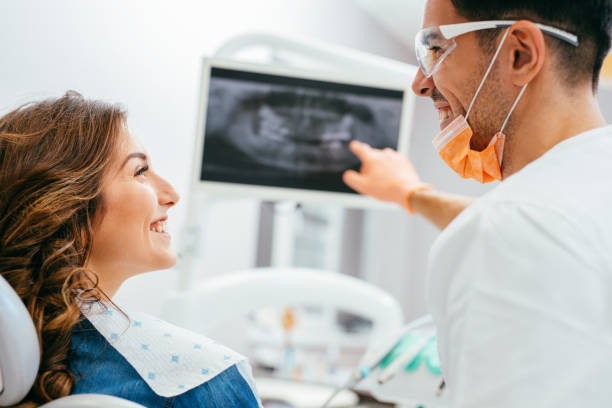
Upper back implants can get tricky. Especially in the molar region. The sinus sits right above those teeth, and when bone disappears after tooth loss, there may not be enough height left for secure implant placement. That’s where a sinus lift for implant procedures becomes important.
Sounds complicated, but the concept is straightforward. The sinus membrane gets gently raised upward, and bone graft material is placed underneath it to create more support. Over time, that area develops stronger bone volume capable of holding implants safely.
A lot of patients hear “sinus lift” and instantly assume massive surgery. Usually not the case. Modern imaging and surgical planning changed everything. The process today is far more precise than people expect. Recovery varies, sure, but many patients return to normal routines fairly quickly with a few restrictions.
Sneezing carefully becomes weirdly important though. Nobody warns you about that part enough.
Infection Changes Everything During Tooth Removal
People sometimes ask why one extraction is simple while another needs grafting, imaging, and additional procedures. Infection is often the reason. Teeth that have been cracked, abscessed, or chronically inflamed for years can destroy surrounding bone slowly. Even if pain comes and goes, the damage underneath may continue quietly.
By the time the tooth gets removed, the support system around it might already be compromised. That’s why immediate planning matters. A properly timed extraction and bone graft can preserve areas that would otherwise continue deteriorating.
The frustrating thing is many people wait because the pain “isn’t that bad yet.” Totally understandable. Nobody wakes up excited for oral surgery. But delaying infected teeth can create larger structural issues, sinus complications, and more expensive reconstruction later.
Sometimes the treatment patients hoped to avoid becomes bigger specifically because they waited too long.
Not Everyone Needs Bone Grafting Before Implants
This matters to say clearly. Some patients absolutely have enough healthy bone already. No graft needed. Straightforward implant placement. Done. Every case is different, which is why proper scans and evaluations matter more than assumptions.
Younger patients with recent tooth loss often have stronger bone preservation. Others naturally maintain density well. Smoking history, gum disease, trauma, and medical conditions also affect the picture. There’s no one-size-fits-all answer here.
The problem is internet advice makes everything sound universal. One person says implants were “easy.” Another says the process took a year. Both can be true. Anatomy changes the timeline completely. A sinus lift for implant placement may be necessary for one patient while another can move directly into surgery without any grafting at all.
That’s why real evaluations matter more than online guessing games.
Healing Time Feels Slow, But Rushing Usually Backfires
People hate hearing timelines. Especially when they want teeth fixed now. But bone healing takes patience. There’s biology involved. Not marketing timelines. After extraction and bone graft treatment, the area usually needs months to mature before implants are placed securely.
Some patients get immediate implants. Others need staged healing. Depends on infection, bone quality, location, and stability. Trying to rush unstable bone almost always increases risk later. Failed implants are harder emotionally, physically, and financially than waiting a little longer upfront.
The frustrating part is healing happens invisibly. You can’t really “see” bone integrating day by day. So patients feel like nothing’s happening. But underneath, the body is rebuilding structure slowly and carefully.
And honestly, that slow process is often what creates long-term implant success years later.
Smoking And Bone Healing Don’t Mix Well
Nobody likes hearing this conversation. Still needs to be said. Smoking affects blood flow, oxygen delivery, and healing quality. Especially with grafting and implant procedures. It increases complications. Period.
Patients sometimes assume cutting back for two days is enough. Usually not. Bone regeneration relies heavily on healthy circulation. Nicotine interferes with that process more than many realize. Same with vaping sometimes, depending on frequency and nicotine content.
This doesn’t mean smokers can never have implants. Not saying that. But the risks rise noticeably. Graft failure, infection, delayed healing, implant instability. All become more likely. The best outcomes almost always happen when patients reduce or stop smoking during healing phases.

Sinus Pressure After Upper Procedures Can Feel Strange At First
After a sinus lift for implant surgery, patients sometimes notice pressure sensations they didn’t expect. Not usually sharp pain. More like fullness. Congestion. Mild pressure changes when bending over. It can feel odd for a little while because the sinus area was involved during treatment.
That’s why aftercare instructions matter so much. No aggressive nose blowing. Careful sneezing. Avoiding pressure changes. Those details sound minor until someone ignores them and creates complications. Healing tissue needs stability.
Most patients improve steadily over the first couple weeks. Follow-up visits help monitor integration and make sure the graft is stabilizing correctly. Good communication during recovery matters more than trying to “tough it out” silently.
The Emotional Side Of Tooth Loss Gets Ignored Too Often
This part matters more than clinics sometimes admit. Losing teeth affects confidence. Eating. Talking. Smiling naturally. Some people stop laughing openly without realizing it. Others avoid photos for years. It becomes emotional fast.
So when someone finally starts the extraction and bone graft process, there’s usually more happening psychologically than just surgery. Relief mixes with anxiety. Hope mixes with embarrassment sometimes. Totally normal.
Patients often say the hardest part was finally making the appointment after delaying treatment forever. Once the process actually starts, many feel less stressed because there’s finally a real plan moving forward.
And honestly, modern implant reconstruction changed lives for a lot of people. Not in some cheesy advertising way. In practical ways. Eating steak again. Smiling without covering the mouth. Speaking clearly. Small things that stop feeling small once they’re gone.
Choosing The Right Surgical Team Actually Matters
Not all surgical planning is equal. Experience matters heavily with grafting, sinus procedures, and implant coordination. Especially in more complex cases involving infection or severe bone loss. Technology helps, yes, but judgment matters too.
Good imaging, careful measurements, realistic timelines, and honest conversations make a huge difference in outcomes. Patients deserve clear explanations, not rushed sales pitches. If something requires staged treatment, that should be explained openly.
The strongest surgical teams usually focus on long-term stability instead of promising shortcuts. Because shortcuts with bone reconstruction rarely stay hidden forever. Problems show up eventually.
A properly planned sinus lift for implant treatment can create decades of stability when done carefully. Same goes for extraction and bone graft procedures handled with precision from the beginning.
What Should Patients Expect Moving Forward After Bone Grafting?
Most people want the same thing after hearing they need grafting. They want reassurance that it’s worth it. And usually, it is. The process may take time, but rebuilding healthy support gives implants a far better chance of long-term success.
Healing stages vary. Some patients move quickly. Others need additional time depending on anatomy and previous damage. But preserving bone now often prevents bigger reconstructive problems later. That’s the bigger picture people sometimes miss when focusing only on immediate recovery.
If you’re dealing with missing teeth, damaged bone, or upper jaw implant concerns, visit New York Oral & Facial Surgery to start the process with a team that understands how important long-term stability really is.
FAQs
How long does healing take after extraction and bone graft treatment?
Healing varies depending on infection, overall health, and bone quality. Many patients heal enough for implants within several months, though some cases need longer for stronger integration.
Is a sinus lift for implant placement painful?
Most patients describe pressure and soreness more than severe pain. Recovery is usually manageable with medication, rest, and following aftercare instructions carefully.
Can implants fail without enough bone support?
Yes. Weak or insufficient bone can reduce implant stability and long-term success. That’s why grafting procedures are sometimes necessary before implant placement.
Will I always need a bone graft after tooth extraction?
No. Some patients naturally maintain enough healthy bone after extraction. Others lose bone rapidly and benefit from grafting immediately to preserve structure.
What happens if I delay replacing a missing tooth?
Bone loss can continue over time, nearby teeth may shift, and future implant placement may become more complicated. Early evaluation usually gives more treatment options later on.