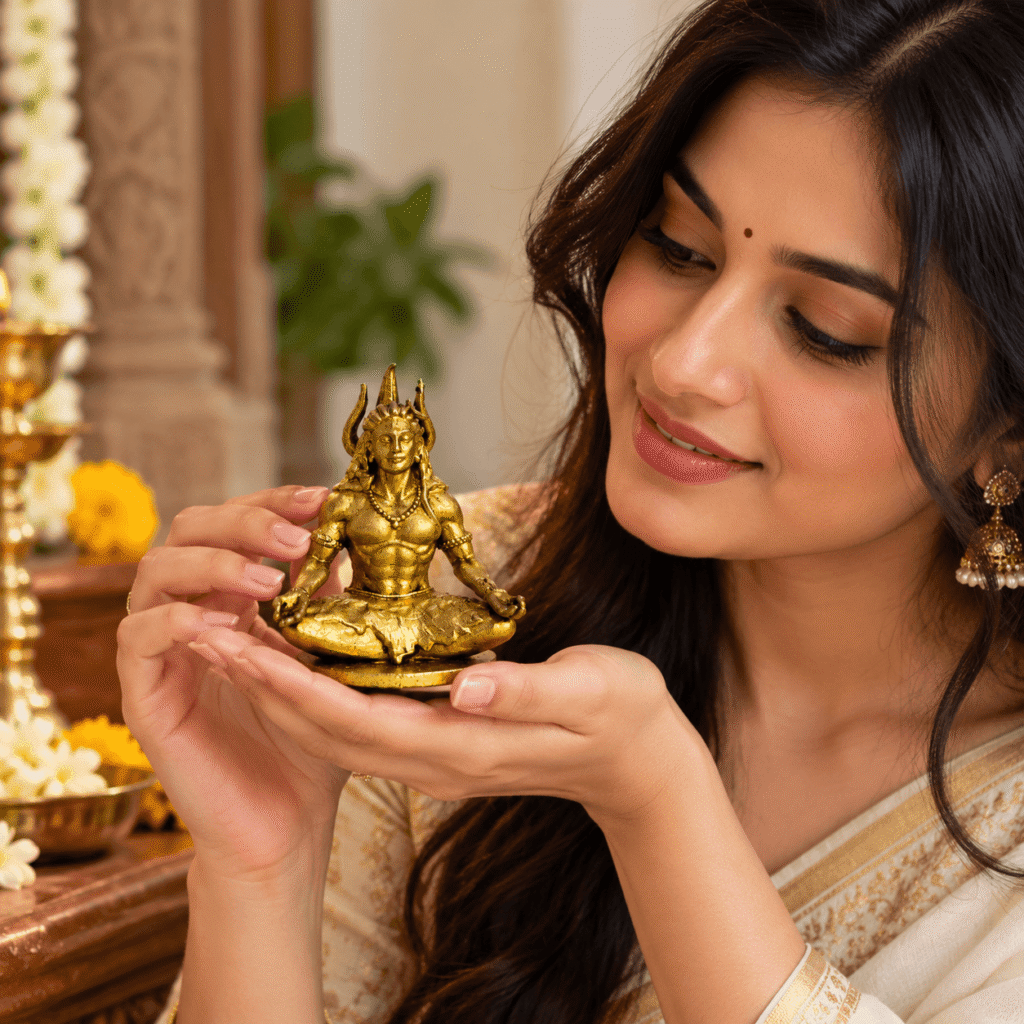
Brass has stayed part of Indian homes for generations because it carries both practical and cultural value that newer materials don’t easily replace. Brass items show up in pooja rooms, kitchens, and living spaces alike, and that range is part of why the metal has never really gone out of use.
This isn’t just about tradition for its own sake. Brass fits into daily rituals, festive occasions, and everyday decor in ways that feel natural rather than forced, which is why families keep bringing it into their homes even as decor trends shift around it.
What Keeps Brass Relevant Across Generations
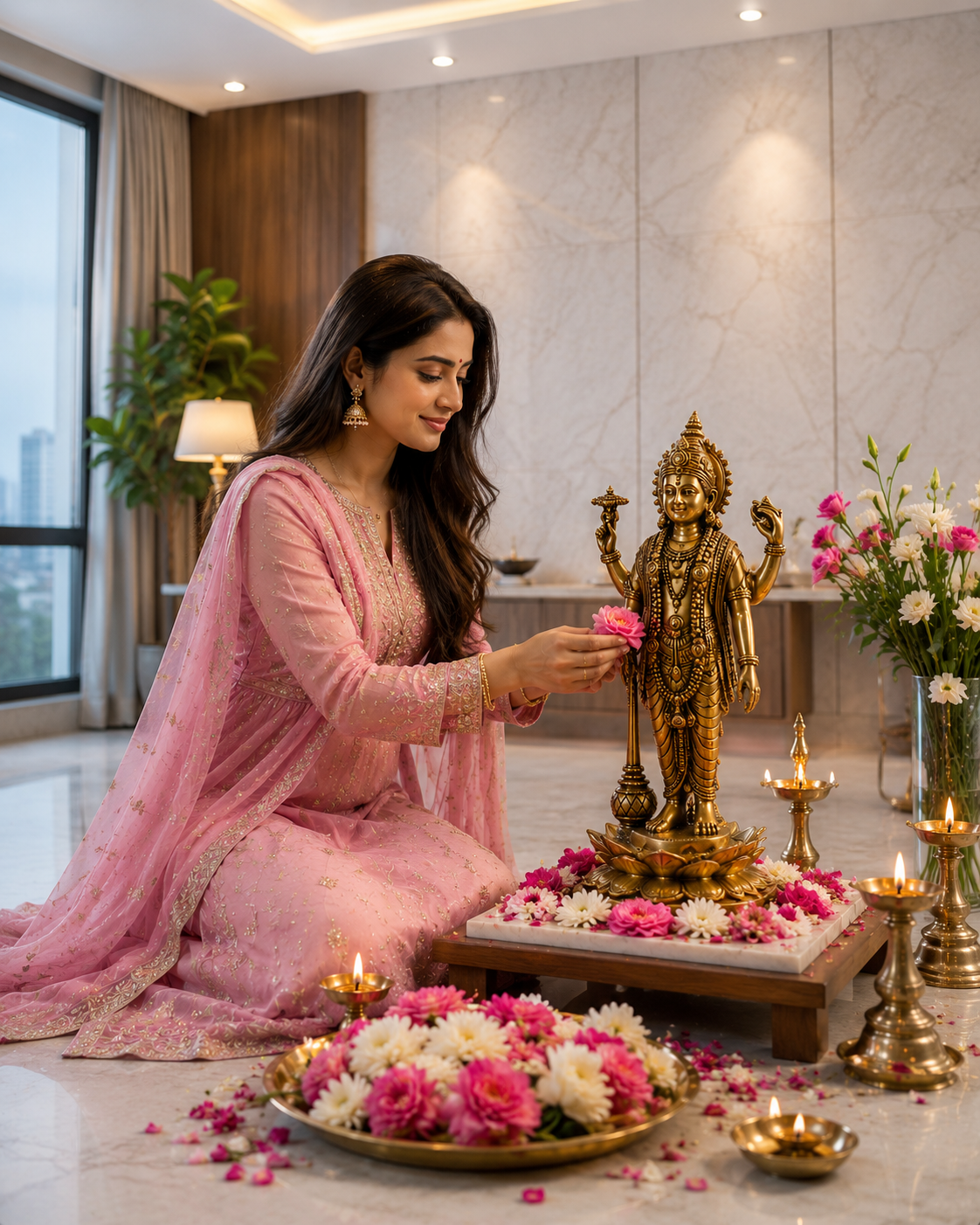
Brass holds a place in Indian homes because it connects daily use with cultural and religious meaning in one material. A single brass item, like a diya or an idol, can serve a ritual purpose during a festival and sit as a decor piece the rest of the year.
This dual role is part of why brass rarely feels outdated. Unlike purely decorative materials, brass items usually have a function tied to them, whether that’s a pooja ritual, a gifting tradition, or a household use passed down through the family.
Brass in Religious and Ritual Life
Brass idols and ritual items are common in Indian homes because many religious practices call for them specifically. Items like diyas, incense holders, and idols of deities are traditionally made in brass, and many families continue this practice out of both habit and belief.
For example, a Nandi idol placed near the entrance or a brass diya lit during a festival isn’t just decorative. It plays a role in the household’s daily or seasonal rituals, which keeps the item in active use rather than sitting untouched on a shelf.
Why Brass Home Decor Items Suit Indian Interiors
Brass home decor items work well in Indian homes because the warm tone of the metal pairs naturally with the wood, fabric, and colour choices common in traditional interiors. A brass piece tends to look intentional rather than out of place, even in a home that mixes older and newer decor styles.
This is part of why brass hasn’t been fully replaced by more modern materials. A living room with a brass centrepiece or a console table with a brass idol still reads as warm and grounded, in a way that steel or plastic decor generally doesn’t.
The Appeal of Aged and Heritage Finishes
Brass pieces finished to look aged or antique carry an appeal that newer, shinier metalwork doesn’t have. This heritage-style finish is meant to resemble the look of pieces passed down through a family rather than something bought new, which adds a sense of history to a home.
This finish tends to suit people furnishing a new home who still want it to feel rooted, or those looking for a piece with more character than a plain, machine-finished decor item.
Brass as a Gifting Tradition
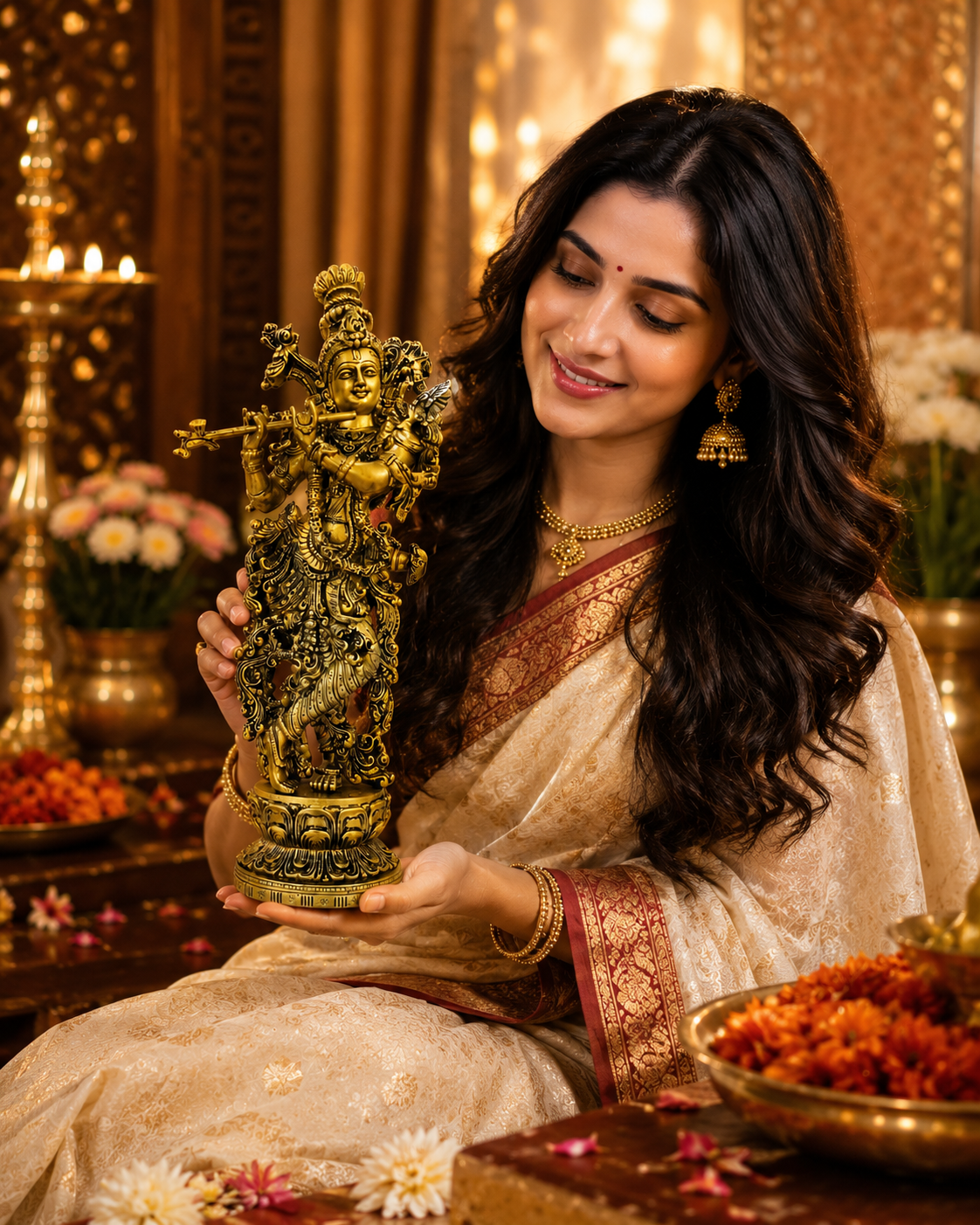
Brass items are a common gifting choice for housewarmings, weddings, and festivals in Indian culture. Giving a brass idol or decorative piece carries more weight than a purely decorative gift, since it often ties into religious or ceremonial significance as well.
This is one reason brass hasn’t faded from gift-giving occasions even as other decor trends have changed. A brass piece feels appropriate for a range of occasions, from a housewarming to a festival visit, without needing much explanation.
Durability That Supports Long-Term Use
Brass is a durable metal that holds up well over years of handling, which suits items that are used regularly rather than just displayed. A brass idol or ritual item used daily for pooja can last for decades with basic care, unlike some decorative materials that wear down with frequent handling.
This durability is part of why brass items often become pieces that are kept and eventually passed down, rather than replaced every few years like some other home decor.
Who Brass Still Appeals to Today
Brass continues to appeal to people setting up a pooja space, families maintaining religious practices at home, and anyone looking for decor with cultural depth rather than a purely decorative purpose. It also suits people drawn to heritage-style interiors, where older-looking finishes fit better than modern, high-shine decor.
Final Thoughts
Brass items remain part of Indian homes because they combine everyday use, religious significance, and a warm, lasting look that few other materials manage together. Whether used for rituals, gifting, or simply as decor, brass continues to hold a role that feels rooted rather than trend-driven.
If you’re looking to bring this kind of piece into your own home, Tatsat Gallery Heritage Collection has brass idols and decor finished in that aged, traditional style.