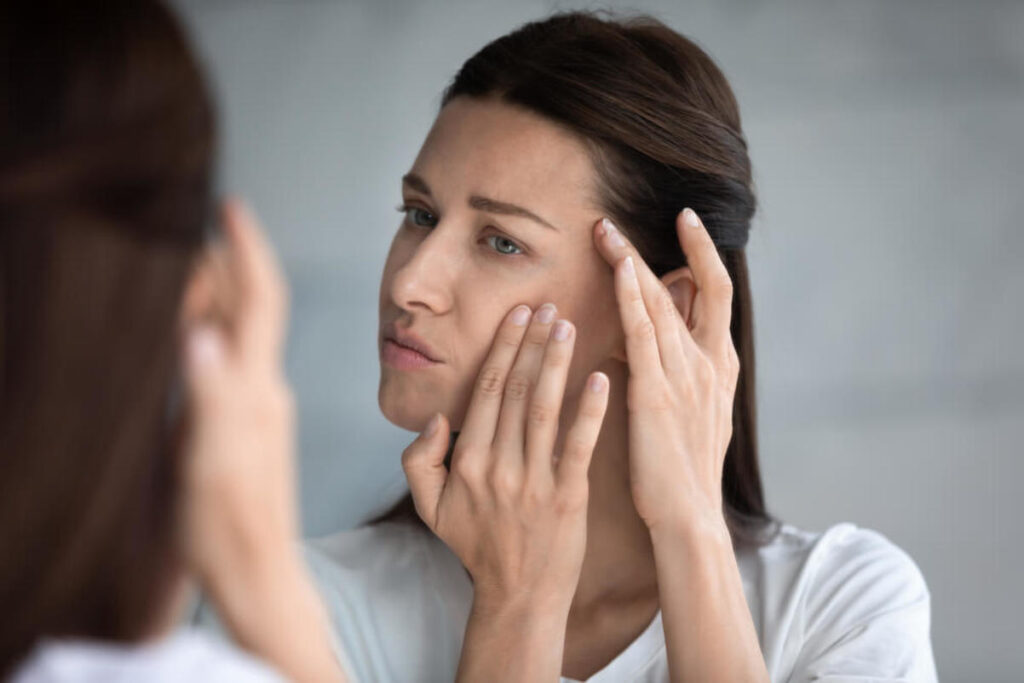
Why Does Skin Become More Sensitive? Explore common causes of skin sensitivity.
Have you noticed that your skin suddenly stings after applying a product you used to tolerate well? Perhaps your face feels tight after washing, becomes red in cold weather, or reacts to sunlight more easily than before. Skin sensitivity can appear gradually or develop after a specific change in your routine, environment, medication, or health.
Sensitive skin is not a medical diagnosis by itself. Instead, it describes skin that reacts more easily to products, environmental conditions or physical contact. Common symptoms include burning, stinging, itching, redness, dryness, peeling, bumps and a feeling of tightness.
Your skin has a protective outer barrier that helps retain water and shields deeper layers from irritants, allergens and other external factors. When this barrier becomes damaged or inflamed, your skin may lose moisture more easily and react more strongly to things that previously caused no problem.
1. Dry Skin Can Increase Sensitivity
Dryness is one of the most common reasons your skin may start feeling sensitive. Your skin needs enough water and natural oils to maintain its protective barrier. When you lose too much moisture, the outer layer can become rough, tight and more vulnerable to irritation.
Several everyday habits can increase dryness. Long, hot showers, frequent washing, harsh soaps and strong cleaning products can remove oils from your skin. Cold or dry weather can also increase moisture loss. Ageing may contribute as well, because skin tends to become drier with age.
You may notice:
- Tightness after cleansing
- Flaking or rough patches
- Itching
- Burning when applying skincare products
- Increased sensitivity to wind or cold
To reduce irritation, use a gentle, fragrance-free cleanser and apply a suitable moisturiser regularly. Creams and ointments often provide more moisture than lightweight lotions.
If dryness continues despite basic skincare, an underlying condition or medication may contribute to the problem.
2. Overuse of Skincare Products Can Irritate Your Skin
A complicated skincare routine can sometimes do more harm than good. Exfoliating acids, retinoids, scrubs, acne treatments and other active ingredients may irritate your skin, particularly when you introduce several products at once.
Your skin may tolerate one active ingredient well but become irritated when you combine several products. Frequent exfoliation can also leave the outer barrier more vulnerable.
Common signs include:
- Burning
- Redness
- Peeling
- Stinging
- Increased dryness
- Tenderness
If your skin suddenly becomes sensitive after changing your routine, consider whether you introduced a new product or increased how often you use an existing one.
Irritant reactions do not necessarily mean you have an allergy. Substances can directly damage the skin barrier and cause inflammation without involving an allergic immune response.
Give your skin a break from unnecessary active ingredients and return to a simple routine based on gentle cleansing, moisturising and sun protection.
3. Contact Dermatitis May Be the Cause
Contact dermatitis develops when your skin reacts after contact with a particular substance. It can occur through irritation or an allergic response.
Irritant contact dermatitis can result from repeated exposure to soaps, detergents, sanitising products, solvents and other substances. Water itself can contribute to irritation when exposure is frequent, particularly during repeated washing.
Allergic contact dermatitis works differently. Your immune system reacts to a substance that your body recognises as an allergen. Fragrance, preservatives, nickel and certain cosmetic ingredients can trigger reactions in susceptible people.
You may develop:
- Red or inflamed skin
- Itching
- Swelling
- Blisters
- Dry or cracked patches
- Burning or stinging
If you repeatedly develop a rash after using a particular product, stop using it and speak with a healthcare professional. A dermatologist may recommend patch testing when an allergic trigger needs investigation.
4. Eczema Can Make Your Skin More Reactive
Eczema, particularly atopic dermatitis, can weaken the skin barrier and increase dryness and irritation. When the protective barrier does not work effectively, moisture escapes more easily and external substances can penetrate the skin more readily. This can promote inflammation.
Eczema can cause:
- Persistent itching
- Dryness
- Redness
- Scaling
- Cracking
- Sensitive or painful areas
You may notice that your skin reacts to products, weather changes, sweat or other everyday triggers during a flare-up.
If you already manage eczema, avoid repeatedly changing your skincare routine. A consistent routine with gentle cleansing and appropriate moisturising can help support the skin barrier. Your doctor or dermatologist can recommend treatment if inflammation becomes difficult to control.
For people exploring complementary options, articles about Natural Treatment for Lichen Planus may provide useful general information about natural approaches to another inflammatory skin condition, but you should not use treatments for one condition as a substitute for an appropriate eczema diagnosis or treatment plan.
5. Rosacea Can Make Facial Skin Highly Sensitive
Rosacea commonly affects facial skin and can cause flushing, persistent redness, visible blood vessels, bumps and sensitivity. Some people also experience dryness, burning, stinging or tightness.
Your symptoms may become worse after exposure to specific triggers. Sunlight, heat, stress, alcohol and spicy foods can trigger flare-ups in some people, although triggers vary from person to person.
If you have rosacea-prone skin, simplify your routine. Choose gentle, fragrance-free products and avoid ingredients that repeatedly cause burning or irritation.
Daily sun protection also matters because ultraviolet exposure can aggravate sensitive facial skin.
If facial redness and burning continue or frequently return, ask a GP or dermatologist whether rosacea could explain your symptoms.
6. Weather and Environmental Conditions Can Trigger Sensitivity
Your skin responds to its surroundings. Cold temperatures, low humidity, strong sunlight, heat and wind can all affect how comfortable your skin feels.
Cold, dry air can increase moisture loss and leave your skin rough and tight. Heat can increase sweating and friction. Sun exposure can cause inflammation or photosensitivity in some people. DermNet lists environmental factors such as heat, cold, low humidity and ultraviolet light among recognised contributors to skin sensitivity.
You may notice seasonal changes in your symptoms. For example, your skin may feel comfortable during humid weather but become dry and irritated during colder months.
Protect your skin by:
- Moisturising regularly
- Using sunscreen
- Wearing suitable protective clothing in harsh weather
- Avoiding very hot showers
- Keeping indoor air from becoming excessively dry
- Cleansing gently after sweating
If sunlight causes an unusual rash, blistering or significant burning, seek medical advice rather than assuming that you simply have sensitive skin.
7. Certain Medicines or Health Conditions May Affect Your Skin
Sometimes skin sensitivity points to something beyond skincare.
Certain medicines can contribute to dry skin or increase sensitivity to sunlight. Some health conditions can also cause excessive dryness. Thyroid disease, kidney disease and diabetes, for example, can be associated with dry skin.
Some medicines can also cause photosensitivity, meaning your skin becomes more reactive to ultraviolet exposure. If your skin suddenly becomes unusually sensitive after starting a medicine, speak with your doctor or pharmacist rather than stopping prescribed treatment on your own.
Pay attention to timing. Ask yourself:
- Did the sensitivity begin after starting a new medicine?
- Did you develop unusual reactions to sunlight?
- Has your skin become persistently dry?
- Have you developed other unexplained symptoms?
- Does the problem continue despite gentle skincare?
These details can help a healthcare professional identify the likely cause.
8. Ageing and Changes in the Skin Barrier
Your skin changes naturally as you age. One noticeable change is increased dryness. The American Academy of Dermatology notes that dry skin becomes particularly common with increasing age.
As your skin becomes drier, you may find that products or environmental conditions that once felt comfortable now cause stinging or irritation.
Ageing does not mean you must accept persistent irritation. You can support your skin by keeping your routine simple, using moisturisers regularly and protecting your skin from excessive sun exposure.
Choose products based on how your skin responds rather than adding more products whenever sensitivity develops.
How Can You Tell What Is Making Your Skin Sensitive?
Start by looking for patterns. Think about when the sensitivity began and what changed around that time.
Keep track of:
- New skincare products
- Hair products that contact your face or neck
- Laundry detergents
- Fragranced products
- Weather changes
- Sun exposure
- New medicines
- Increased washing or exfoliation
- Stress and sweating
- Existing skin conditions
You can also introduce new skincare products one at a time. This makes it easier to identify a product that causes irritation.
Do not assume that “natural” automatically means irritation-free. Plant extracts, essential oils and botanical ingredients can still cause irritation or allergic reactions in some people. DermNet notes that reactions to personal-care products can involve fragrances, botanicals, preservatives and other ingredients.
If you are researching complementary approaches for skin health, resources discussing Herbal Remedies for Lichen Planus can offer background information, but always check whether a product is appropriate for your particular skin condition before applying it.
What Should You Do If Your Skin Becomes Sensitive?
First, simplify your routine. Stop unnecessary exfoliants, scrubs and strongly fragranced products for a short period while your skin settles.
Use a gentle cleanser, apply a suitable moisturiser and protect exposed skin from sunlight. If a particular product causes immediate burning or irritation, stop using it.
Choose “fragrance-free” rather than simply “unscented” when possible. “Unscented” products can still contain fragrance ingredients used to mask odours.
Avoid repeatedly testing products on already irritated skin. If you want to introduce something new, test a small area first and monitor your response.
For additional information about natural wellness products, you may also explore Best Herbal Supplements Products and Natural Remedies, while remembering that supplements and herbal products can have side effects or interact with medicines.
When Should You See a Doctor?
You should seek professional advice if your sensitivity persists, keeps returning or becomes severe.
Arrange a medical assessment if you develop:
- Severe or persistent redness
- Significant swelling
- Blisters or open sores
- A rapidly spreading rash
- Signs of infection
- Severe pain or burning
- A reaction involving your eyes or mouth
- Breathing difficulty or swelling of your lips or throat
A dermatologist can assess your symptoms and determine whether dryness, eczema, rosacea, contact dermatitis, photosensitivity or another condition explains the reaction. Depending on your symptoms, testing such as patch testing may help identify an allergic contact trigger.
Final Thoughts
Sensitive skin can develop for many reasons, and dryness or irritation does not always mean you have a permanent skin problem. Your skin barrier may become temporarily weakened by harsh products, excessive washing, weather conditions or an existing skin condition.
Start with gentle skincare, reduce unnecessary products and pay attention to patterns. If sensitivity continues despite these changes, seek medical advice so you can identify the underlying cause instead of repeatedly treating the symptoms.
Important: This article provides general health information and does not replace an examination, diagnosis or treatment plan from a qualified healthcare professional.