When it comes to healthcare, timing matters. A diagnosis delayed can become a treatment delayed, and a treatment delayed can potentially impact a patient’s recovery, quality of life, and peace of mind. As healthcare systems across Canada continue to face increasing demand, timely access to diagnostic imaging has become more important than ever.
Among the most commonly requested imaging examinations today are ultrasounds. Safe, non-invasive, and highly effective, ultrasounds help physicians evaluate a wide range of conditions involving the abdomen, pelvis, thyroid, vascular system, musculoskeletal structures, and pregnancy-related care. However, despite their importance, many patients still experience significant wait times before receiving imaging appointments.
This growing challenge highlights why faster access to ultrasound services is becoming a critical healthcare priority. Timely imaging not only helps patients receive answers sooner but also supports earlier treatment decisions, reduces anxiety, and contributes to better health outcomes.
The Essential Role of Ultrasound in Modern Medicine
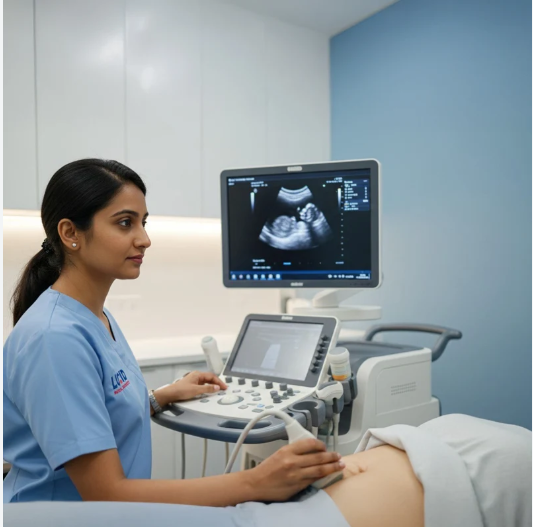
Ultrasound imaging uses high-frequency sound waves to create real-time images of structures inside the body. Unlike X-rays or CT scans, ultrasound does not use ionizing radiation, making it one of the safest imaging technologies available.
Healthcare providers rely on ultrasound to diagnose and monitor numerous conditions, including:
- Abdominal pain
- Gallstones
- Kidney disease
- Liver disorders
- Thyroid abnormalities
- Vascular conditions
- Musculoskeletal injuries
- Pregnancy monitoring
- Pelvic health concerns
Because ultrasound often serves as a first-line diagnostic tool, timely access is essential for efficient patient care.
Why Healthcare Delays Matter
Healthcare delays affect more than scheduling convenience.
When patients wait weeks or months for imaging, several challenges may occur:
Delayed Diagnosis
Many conditions require imaging confirmation before treatment can begin. Extended wait times may postpone important clinical decisions.
Increased Anxiety
Patients awaiting answers often experience significant emotional stress. Uncertainty about symptoms can negatively affect mental well-being.
Disease Progression
Certain medical conditions may worsen during prolonged waiting periods, potentially requiring more intensive treatment later.
Delayed Specialist Referrals
Many specialists require imaging results before consultations can proceed. Imaging delays can therefore impact the entire care pathway.
For these reasons, reducing diagnostic delays has become a major focus of healthcare improvement efforts. Nova Scotia Health continues investing in equipment, technology, staffing, and partnerships to improve access to diagnostic imaging services across the province.
The Connection Between Early Diagnosis and Better Outcomes
Research consistently shows that earlier diagnosis often leads to improved patient outcomes.
When physicians identify conditions sooner, they can:
- Begin treatment earlier
- Prevent complications
- Improve long-term prognosis
- Reduce healthcare costs
- Enhance quality of life
For example, early detection of liver disease, vascular abnormalities, kidney disorders, and certain cancers often allows healthcare providers to intervene before significant damage occurs.
Because ultrasound provides rapid and detailed visualization of many internal structures, timely access can play an important role in improving outcomes.
How Ultrasound Supports Faster Clinical Decision-Making
One reason physicians frequently request ultrasound examinations is the speed at which valuable diagnostic information can be obtained.
Ultrasound helps evaluate:
Abdominal Conditions
Ultrasound can identify gallstones, liver abnormalities, kidney issues, and fluid collections.
Vascular Disorders
Blood flow assessments help detect circulatory problems and blood clots.
Thyroid Abnormalities
Ultrasound is highly effective for evaluating thyroid nodules and gland enlargement.
Musculoskeletal Injuries
Soft tissue injuries involving tendons, ligaments, and muscles can often be visualized clearly.
The sooner these examinations occur, the sooner physicians can move forward with treatment planning.
The Growing Demand for Ultrasound Services
Healthcare demand continues to rise across Canada.
Several factors contribute to increasing utilization of ultrasound services:
- Aging populations
- Increased chronic disease prevalence
- Expanded preventive healthcare programs
- Greater awareness of early disease detection
- Increased physician reliance on imaging
Nova Scotia Health reports ongoing growth in diagnostic imaging volumes, with significant increases in MRI and CT examinations compared to pre-pandemic levels, reflecting broader demand across imaging services.
As patient volumes continue growing, efficient access to ultrasound becomes increasingly important.
Reducing Wait Times Improves the Patient Experience
Healthcare is not only about diagnosis and treatment. It is also about patient experience.
Waiting for diagnostic answers can be emotionally challenging.
Patients commonly report concerns such as:
- Fear of serious illness
- Uncertainty regarding symptoms
- Difficulty planning treatment
- Stress affecting daily life
Receiving imaging sooner often provides reassurance and clarity.
Even when results identify a medical condition, patients generally benefit from having a clear understanding of their situation rather than remaining in uncertainty.
Faster imaging contributes to a more patient-centered healthcare experience.
Supporting Preventive Healthcare
Modern healthcare increasingly emphasizes prevention rather than reaction.
Preventive healthcare aims to:
- Detect disease earlier
- Monitor chronic conditions
- Identify risk factors
- Improve long-term wellness
Ultrasound plays a vital role in these efforts.
Common preventive applications include:
- Monitoring fatty liver disease
- Evaluating vascular health
- Assessing kidney function
- Investigating thyroid abnormalities
- Tracking chronic conditions over time
Timely access to ultrasound services allows healthcare providers to identify potential problems before symptoms become severe.
Why Timely Imaging Benefits Referring Physicians
Faster imaging access benefits healthcare providers as well.
When imaging results are available sooner, physicians can:
- Confirm diagnoses more quickly
- Reduce unnecessary testing
- Make informed treatment decisions
- Coordinate specialist referrals
- Improve patient management
This efficiency helps streamline the healthcare system and supports better continuity of care.
The Role of Private Imaging Providers
As healthcare demand grows, private imaging providers are helping expand access to diagnostic services.
Facilities such as Why Wait Imaging focus on reducing delays by offering rapid-access MRI and ultrasound appointments. Their services include abdominal, pelvic, obstetrical, breast, and musculoskeletal ultrasound examinations using advanced imaging technology designed to support timely diagnosis and treatment.
Private imaging providers can complement the broader healthcare system by helping patients obtain diagnostic information more quickly when appropriate.
Many private facilities also emphasize:
- Flexible scheduling
- Patient comfort
- Modern equipment
- Efficient report turnaround
These advantages can be particularly valuable for individuals seeking faster answers regarding their health.
Common Conditions Where Faster Ultrasound Access Matters
Liver Disease
Early identification of fatty liver disease and related conditions can support lifestyle interventions and medical management.
Kidney Disorders
Timely imaging may detect obstructions, stones, or structural abnormalities before complications develop.
Vascular Conditions
Earlier diagnosis of circulatory problems can help reduce the risk of serious complications.
Thyroid Nodules
Prompt evaluation can provide reassurance and guide further investigation if needed.
Musculoskeletal Injuries
Faster imaging supports earlier treatment and rehabilitation planning.
In each of these situations, rapid access to ultrasound services can directly influence clinical outcomes.
Technology Is Improving Access
Advancements in healthcare technology are helping improve diagnostic imaging efficiency.
Innovations include:
Digital Referrals
Electronic referral systems streamline communication between providers.
Improved Scheduling Systems
Automation helps optimize appointment availability.
Advanced Ultrasound Equipment
Modern systems produce high-quality images more efficiently.
Expanded Imaging Capacity
Healthcare organizations continue investing in equipment and staffing to improve access.
These improvements are helping healthcare systems address growing demand while maintaining high standards of care.
What Patients Can Do to Access Imaging Faster
Patients can take several proactive steps:
- Confirm that referrals have been submitted correctly.
- Ensure contact information is up to date.
- Ask about cancellation lists.
- Remain flexible regarding appointment times.
- Discuss alternative imaging locations with their healthcare provider.
- Explore private imaging options when appropriate.
Being proactive may help reduce unnecessary delays.
The Future of Ultrasound Services
The future of diagnostic imaging continues to evolve rapidly.
Emerging trends include:
- Artificial intelligence-assisted imaging
- Portable ultrasound devices
- Point-of-care diagnostics
- Telemedicine integration
- Expanded community-based imaging programs
These innovations are expected to improve accessibility while enhancing diagnostic accuracy and efficiency.
As technology advances, patients will likely benefit from even faster and more convenient access to imaging services.
Conclusion
Timely diagnosis is one of the most important factors influencing healthcare outcomes. When patients receive imaging examinations sooner, physicians can make faster decisions, begin treatment earlier, and help prevent complications before they become more serious.
This is why improving access to ultrasound services remains a critical healthcare priority. From reducing patient anxiety and supporting preventive healthcare to accelerating treatment planning and improving overall system efficiency, faster imaging access delivers meaningful benefits for both patients and healthcare providers.
Organizations such as Why Wait Imaging are helping address this need by providing advanced ultrasound examinations with a focus on timely service, modern technology, and patient-centered care.
As healthcare systems continue investing in technology, infrastructure, and innovative care models, the importance of accessible ultrasound services will only continue to grow. For patients seeking answers, earlier access to diagnostic imaging can make a significant difference in their healthcare journey and ultimately contribute to better long-term outcomes.