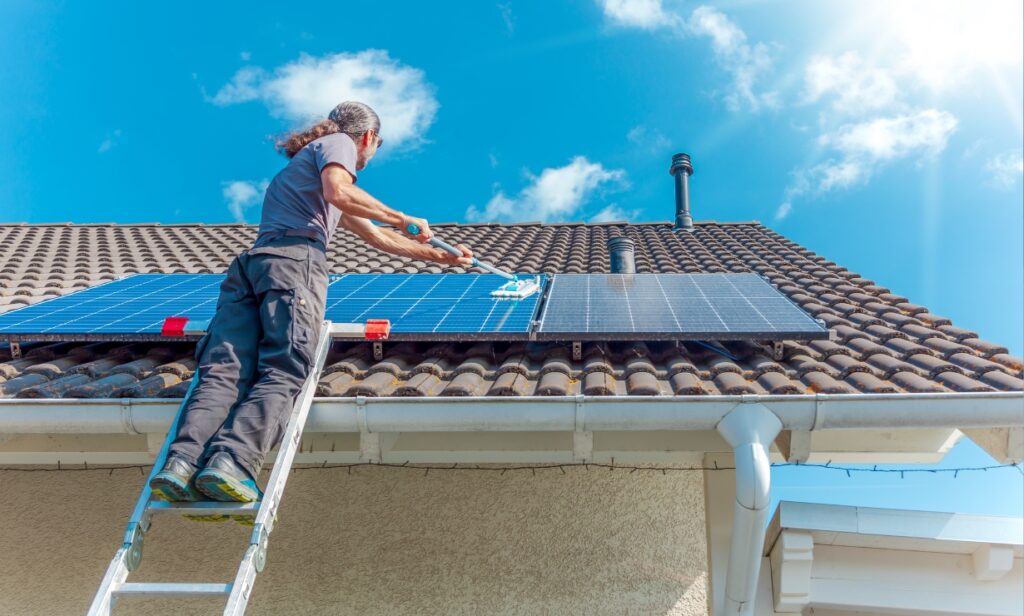
A home can generate more than comfort—it can also generate its own electricity. Solar panels give homeowners a practical way to produce renewable energy while reducing dependence on traditional power sources. As energy costs and environmental concerns continue to influence household decisions, choosing the right equipment and maintaining it properly matter more than ever. Working with a reliable Solar panel cleaning company can also help homeowners protect panel performance over time.
How Solar Panels Work in Modern Homes
Solar panels convert sunlight into electricity through photovoltaic cells. When sunlight reaches these cells, they create direct-current electricity, which an inverter then converts into alternating current for household appliances.
The electricity can power everyday items such as refrigerators, lights, computers, air conditioners, and washing machines. Depending on the system and local utility rules, homeowners may also be able to send excess electricity back to the grid.
This process allows a home to produce a portion of its own energy rather than relying entirely on electricity supplied by a utility company.
Why Solar Energy Makes Sense for Homeowners
Solar technology has become increasingly accessible for residential properties. Although the initial installation can require a significant investment, the long-term benefits can make the system appealing to homeowners who plan to remain in their property for years.
Lower Dependence on Grid Electricity
Producing electricity at home can reduce the amount of power purchased from the grid. The actual savings depend on factors such as electricity rates, household consumption, panel capacity, sunlight exposure, and local utility policies.
Homes with strong sun exposure may produce substantial amounts of electricity during daylight hours. Energy storage systems can further increase flexibility by storing electricity for later use.
Potential Long-Term Energy Savings
Solar panels generally have a long operating life when properly installed and maintained. Over time, electricity generated by the system can offset part of a household’s utility expenses.
However, homeowners should evaluate the complete financial picture before installing a system. Installation costs, financing, maintenance, incentives, electricity rates, and expected energy production all influence the potential return.
A Renewable Source of Electricity
Sunlight is a renewable energy resource. Unlike fossil fuels, solar generation does not require fuel to be burned during electricity production.
For environmentally conscious homeowners, generating electricity from sunlight can therefore be one way to reduce the household’s reliance on conventional energy sources.
How Solar Panels Can Support Home Efficiency
Installing panels is only one part of an efficient home energy strategy. Homeowners can achieve better results by combining solar generation with sensible energy-saving practices.
For example, upgrading to efficient lighting, sealing air leaks, improving insulation, and choosing energy-efficient appliances can reduce electricity demand. A home that uses less energy may also make better use of the electricity its panels generate.
Match the System to Household Needs
A larger solar system is not automatically better for every property. Homeowners should consider their typical electricity consumption, roof space, orientation, shading, and future energy needs.
Reviewing past utility bills can provide a useful starting point. A qualified solar professional can then assess the property and estimate an appropriate system size.
Why Panel Cleanliness Matters
Solar panels need sunlight to generate electricity efficiently, so anything that blocks sunlight can affect their output. Dust, pollen, leaves, bird droppings, and other debris can accumulate on the surface.
Regular Solar panel cleaning helps remove these materials and keeps the panel surface clear. The frequency needed varies according to local weather, surrounding vegetation, dust levels, panel angle, and other site conditions.
Cleaning does not mean homeowners should automatically wash panels every week. Instead, maintenance should be based on the property’s conditions and the manufacturer’s recommendations.
Common Factors That Make Solar Panels Dirty
Different homes experience different levels of surface buildup. Understanding the causes can help homeowners create a sensible maintenance routine.
| Source of buildup | Possible effect | Practical response |
|---|---|---|
| Dust and dirt | Blocks some sunlight | Inspect and clean when buildup becomes noticeable |
| Pollen | Creates a surface film | Check panels during high-pollen seasons |
| Leaves | Can shade sections of panels | Remove nearby debris safely |
| Bird droppings | Creates concentrated blockage | Arrange careful spot cleaning |
| Rain residue | May leave mineral deposits | Inspect after extended dry periods |
| Nearby construction | Can increase dust | Monitor panels more frequently |
The goal is not simply to make panels look clean. Proper maintenance helps keep the generating surface as unobstructed as practical.
When Professional Solar Panel Cleaning Makes Sense
Some homeowners can safely manage light maintenance from the ground or through visual inspections. However, cleaning panels on a roof can create fall risks and may require equipment or techniques that homeowners do not have.
A professional Solar panel cleaning company can assess the condition of the panels and use appropriate cleaning methods. Professionals can also help homeowners avoid practices that could scratch surfaces, damage components, or create unnecessary safety hazards.
Consider Professional Help When
Professional service may be particularly useful when:
- Panels are installed on a steep or difficult-to-access roof.
- Heavy bird droppings or debris have accumulated.
- The property is surrounded by trees.
- Construction activity creates frequent dust.
- Panels are difficult to inspect safely.
- The homeowner notices a potential decline in system performance.
Safety should always come before attempting rooftop maintenance.
How Weather Affects Solar Panel Maintenance
Weather plays an important role in both solar generation and cleaning needs. Rain can naturally remove some loose dust, but it does not necessarily eliminate stubborn deposits or bird droppings.
Dry, dusty climates may require more frequent inspections. Properties near trees may also experience greater buildup from pollen, leaves, and organic debris.
Homeowners should therefore avoid following a rigid cleaning schedule without considering local conditions. A simple visual inspection can often help determine whether maintenance is necessary.
Smart Ways to Maintain a Residential Solar System
Good maintenance involves more than cleaning the panel surface. Homeowners should also pay attention to system performance and visible equipment conditions.
Monitor Energy Production
Many modern solar systems provide monitoring through an app or online dashboard. Reviewing production data can help homeowners identify unusual changes.
A sudden decline does not automatically mean the panels are dirty. Shading, inverter issues, weather conditions, electrical problems, or equipment aging can also affect production.
Keep Nearby Trees Under Control
Trees can provide valuable shade for people, but shade falling directly on solar panels can reduce electricity generation.
Regularly trimming vegetation where appropriate can help maintain sunlight exposure. Tree work should be handled carefully, particularly when branches are close to panels, electrical equipment, or the roof.
Follow Manufacturer Guidance
Solar equipment comes with specific installation and maintenance recommendations. Homeowners should follow those instructions instead of relying on generic cleaning methods.
Using abrasive materials or unsuitable chemicals may damage panel surfaces. When in doubt, professional guidance is safer than experimenting.
Solar Panels and Property Value
Energy improvements can also influence how homeowners view the long-term value of their property. A functioning solar installation may appeal to buyers who are interested in energy generation and potentially lower electricity expenses.
However, the effect on property value varies by location, system ownership, installation quality, energy costs, and buyer preferences. Homeowners should not assume that every solar installation will produce the same financial outcome.
Keeping installation documents, maintenance records, warranties, and performance information organized can make the system easier to explain to a future buyer.
Important Questions to Ask Before Installation
Choosing solar panels requires more than comparing panel prices. Homeowners should evaluate the entire system and the company installing it.
Consider asking:
- How much electricity is the system expected to generate?
- What equipment and warranties are included?
- How will roof condition affect installation?
- What maintenance does the manufacturer recommend?
- How will system performance be monitored?
- What happens if an inverter or panel fails?
- Are there local incentives or utility requirements?
- What cleaning and inspection practices are recommended?
Clear answers can help homeowners understand both the benefits and responsibilities associated with ownership.
How to Get Better Long-Term Value From Solar Panels
A solar system is a long-term household investment, so basic care can make a meaningful difference. Homeowners should keep records of installation details, inspections, repairs, and professional maintenance.
They should also avoid assuming that visible cleanliness is the only measure of performance. Production data provides a more useful picture of how the system is operating.
Most importantly, homeowners should treat cleaning as part of broader solar maintenance rather than as an isolated chore. Clean surfaces, unobstructed sunlight, proper equipment, and regular monitoring work together to support dependable performance.
Conclusion
Solar panels can be a practical addition to modern homes because they allow homeowners to generate electricity from a renewable resource while potentially reducing dependence on grid power. Their value, however, depends on proper system design, suitable installation, realistic energy expectations, and consistent maintenance. Keeping panels free from significant dirt and debris is one part of that process, while monitoring production and following manufacturer guidance provides additional protection. For homeowners who cannot safely maintain rooftop equipment themselves, professional Solar panel cleaning can provide a convenient maintenance solution. With thoughtful planning and responsible care, a residential solar system can remain a useful part of a home’s energy strategy for many years.
FAQs
1. Are solar panels suitable for every home?
Not necessarily. Roof condition, sunlight exposure, shading, available space, local regulations, electricity costs, and household energy consumption should all be considered before installation.
2. How often should solar panels be cleaned?
There is no universal schedule. Cleaning needs depend on local dust, pollen, rainfall, trees, bird activity, panel angle, and other environmental conditions. Regular inspections can help determine when cleaning is appropriate.
3. Can rain clean solar panels?
Rain can remove some loose dirt and dust, but it may not remove bird droppings, sticky deposits, pollen residue, or mineral buildup. Visual inspection remains useful even in areas with regular rainfall.
4. Is professional solar panel cleaning necessary?
It depends on the property. Homeowners may handle some ground-level maintenance, but professional cleaning can be safer for steep roofs, difficult-to-access panels, heavy buildup, or situations requiring specialized equipment.
5. Does dirty glass reduce solar panel performance?
Significant dirt or debris can reduce the amount of sunlight reaching photovoltaic cells. The effect varies according to the type and amount of buildup, so maintaining reasonably clear panel surfaces is an important part of system care.