Tropical plants have become an important part of the ornamental plant market, attracting interest from home gardeners, plant collectors, interior designers, and commercial retailers. Their distinctive foliage, unusual growth patterns, and variety of colors make them popular additions to indoor collections and garden displays. As demand for different tropical varieties grows, garden centers and specialist plant businesses need reliable ways to source healthy planting material in suitable quantities.
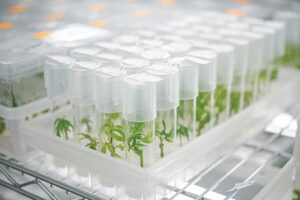
Sourcing Wholesale Tissue Culture Tropical Plants offers plant collectors and garden centers access to a broader selection of varieties produced through controlled propagation methods. Tissue culture can support consistent batch production, organized supply, and access to plants that may be difficult to multiply quickly through conventional methods. These advantages make it an appealing sourcing option for different parts of the horticultural market.
1. Access to a Wider Selection of Tropical Varieties
Plant collectors often look for distinctive species and cultivars that add diversity to their collections. Garden centers also benefit from offering different plant types to attract customers with varying preferences.
Tissue culture propagation allows producers to multiply selected varieties under controlled laboratory conditions. This can improve the availability of certain tropical plants and give retailers more opportunities to expand their product ranges.
A broader selection may include plants with different:
- Leaf shapes and textures
- Foliage colors and patterns
- Growth habits and sizes
- Environmental requirements
- Ornamental characteristics
The availability of specific varieties depends on the supplier’s production capabilities and established propagation protocols.
2. Greater Consistency Across Plant Batches
Consistency matters when garden centers purchase plants for retail displays or when collectors want several specimens of the same variety. Differences in appearance, development, and plant identification can make inventory management more difficult.
Tissue culture can produce batches with relatively uniform characteristics when suitable starting material and reliable laboratory procedures are used. This helps retailers organize similar plants together and makes it easier to plan growing and display requirements.
However, plant uniformity also depends on genetic stability, quality control, and growing conditions after delivery. Buyers should confirm the supplier’s specifications before placing large orders.
3. Opportunities to Find Less Common Plants
Some tropical plants attract attention because of their unusual foliage, distinctive growth patterns, or limited availability. Specialist collectors may actively search for these varieties, while garden centers can use them to differentiate their product selections.
Tissue culture provides a way to multiply certain selected plants that may be challenging or slower to propagate using cuttings or division. When suitable propagation methods are available, this can help increase access to varieties that appeal to specialist markets.
Collectors should still verify the identity and characteristics of plants before purchasing, especially when buying cultivars with similar commercial names.
4. Convenient Sourcing for Commercial Buyers
Garden centers need planting material in quantities that match their sales plans, available space, and customer demand. Managing multiple small purchases from different suppliers can increase administrative work and complicate stock planning.
Wholesale sourcing can simplify purchasing by allowing businesses to coordinate several varieties and quantities through a planned order. Tissue culture suppliers may also offer production schedules that help buyers prepare for future inventory needs.
Before ordering, garden centers should confirm minimum order quantities, available varieties, production lead times, and delivery arrangements.
5. Support for Organized Inventory Management
Garden centers frequently handle plants at different stages of growth. Some are newly received, others are undergoing acclimatization, and some are ready for retail display.
Tissue culture plants supplied in identifiable batches can make inventory organization easier. Businesses can record incoming stock by variety, supplier, quantity, and delivery date.
A basic inventory system helps managers:
- Track available quantities.
- Identify varieties that need replenishment.
- Monitor acclimatization progress.
- Plan greenhouse and display space.
- Estimate future product availability.
These practices help reduce confusion and support more accurate purchasing decisions.
6. A Useful Option for Plant Collectors Building Their Collections
Collectors often want to grow multiple varieties while maintaining control over their plant budgets and available space. Tissue culture plants can offer access to young specimens that collectors can establish and grow over time.
This can be particularly useful for people interested in collecting different cultivars or developing several plants from the same variety. However, young tissue culture plants require appropriate care after delivery and may need time to reach a mature appearance.
Collectors should check plant development stages, care requirements, and shipping conditions before ordering. They should also make sure they have suitable space and environmental conditions for acclimatization.
7. Potential for Efficient Plant Multiplication
One reason commercial growers use tissue culture is its ability to produce numerous plantlets from selected starting material. Under suitable laboratory conditions, this method can support larger production volumes than some conventional propagation approaches.
For garden centers, this can contribute to more predictable availability when suppliers have sufficient production capacity. For collectors, it may increase access to varieties that are otherwise offered in limited quantities.
Actual production capacity depends on the plant species, propagation protocol, laboratory resources, and time required to complete each production stage.
8. Better Opportunities for Production and Seasonal Planning
Garden centers often adjust their stock according to seasonal sales patterns, customer interests, and local growing conditions. Collectors may also plan purchases around specific growing periods or the availability of preferred varieties.
Tissue culture sourcing can support advance planning when suppliers provide clear information about production schedules and expected dispatch dates.
Businesses should account for the complete process, including propagation, shipping, acclimatization, and the time needed for plants to reach retail condition. This helps prevent unrealistic expectations about when newly purchased plants will be ready for sale.
9. Importance of Plant Quality and Health Management
Plant quality remains a major concern for both collectors and retailers. Tissue culture propagation uses controlled laboratory procedures that can help reduce exposure to certain pests and pathogens during production.
However, this does not mean every tissue culture plant is automatically free from contamination or disease. Buyers should evaluate the supplier’s sanitation practices, inspection procedures, and quality-control standards.
After delivery, inspect plants carefully and keep new batches separate from established stock until their condition has been assessed. Proper acclimatization and ongoing monitoring are also important for successful establishment.
10. Suitable for Different Horticultural Business Models
The benefits of tissue culture sourcing are relevant to more than large commercial nurseries. Different buyers can use it according to their own requirements.
Garden centers: Can use wholesale batches to maintain a varied retail selection and plan inventory replenishment.
Specialist plant retailers: May source selected varieties that appeal to customers interested in distinctive tropical foliage plants.
Plant collectors: Can access young plants for developing personal collections, provided they can meet the plants’ care requirements.
Commercial growers: Can incorporate tissue culture plantlets into larger production schedules and grow them to specific market sizes.
The most suitable purchasing approach depends on order quantity, available growing facilities, customer demand, and the buyer’s experience with young plants.
Conclusion
Plant collectors and garden centers choose tissue culture tropical plants because this propagation method can support access to diverse varieties, relatively consistent batches, and more organized commercial sourcing. It also offers opportunities for planned inventory management and the expansion of specialist plant collections.
Successful purchasing still depends on supplier reliability, accurate variety identification, plant quality, shipping arrangements, and appropriate aftercare. By evaluating these factors before ordering, collectors and garden centers can make informed sourcing decisions and build healthier, more diverse tropical plant selections.