Choosing a wooden fence is not simply a matter of picking a color or pattern. The style you select can influence privacy, appearance, maintenance, durability, installation time, and the amount you ultimately spend. Two fences made from similar lumber can have noticeably different prices because their construction methods and material requirements are not the same. That is why understanding wooden fence cost by fence type is useful before making a final decision.
The best fence is not necessarily the least expensive option. Instead, it should provide the features you actually need while fitting comfortably within your budget. A decorative picket fence may be ideal for defining a front yard, while a tall privacy fence could be more appropriate for an enclosed backyard. Other designs, such as shadow-box or horizontal fencing, may appeal to homeowners who want a distinctive appearance.
Start With the Purpose of the Fence
Before comparing styles, consider what you want the fence to accomplish. A fence can provide privacy, define property boundaries, improve security, contain children or pets, create a backdrop for landscaping, or simply add visual character.
Your priorities can immediately narrow the available choices. If complete privacy is essential, an open picket design may not meet your expectations regardless of its lower price. If appearance is the main concern, investing in a highly reinforced privacy structure may provide features you do not need.
Understanding the purpose first can help you evaluate wooden fence cost based on value rather than simply choosing the cheapest design.
Picket Fences: Traditional and Open
Picket fencing is one of the most recognizable wooden fence styles. It usually consists of relatively short vertical boards installed with spaces between them.
Because the boards are spaced apart, less material may be needed compared with a solid privacy fence of the same length. This can make a picket design appealing when the goal is property definition rather than visual separation.
Picket fencing works particularly well around gardens, front yards, walkways, and landscaped areas. However, it does not provide the same level of privacy as a solid fence.
The overall wooden fence cost depends on the height, picket shape, spacing, wood type, posts, rails, and decorative details.
Privacy Fences: Maximum Screening
Privacy fencing is designed to create a more solid barrier. Boards are usually positioned closely together, limiting visibility through the fence.
This design often requires more lumber than an open picket fence. A taller privacy fence can also require longer posts and additional structural support.
Although the initial investment may be greater, privacy fencing can offer significant value for homeowners who want to create a secluded backyard or reduce views from neighboring properties.
When assessing wooden fence cost, consider how much privacy you actually need. Paying for a solid six-foot barrier may not be worthwhile if a shorter or more open fence can accomplish your goals.
Shadow-Box Fencing: Appearance on Both Sides
Shadow-box fencing uses alternating boards attached to opposite sides of the supporting rails. This creates a layered appearance and can provide a more finished look from both sides of the property.
The design generally uses more boards than a basic spaced fence, which can increase material requirements. Installation may also require careful alignment to achieve consistent spacing.
One advantage is that the fence can appear relatively similar from either side, making it useful where both neighbors or adjoining areas can see the structure.
For homeowners evaluating wooden fence cost, shadow-box fencing can represent a middle ground between decorative openness and substantial screening.
Board-on-Board Fences: Strong Privacy
Board-on-board fencing uses overlapping boards to minimize visible gaps. This design provides a dense, substantial appearance and is often selected when privacy is a major priority.
Because the boards overlap, the project requires more lumber than many simpler designs. The additional material contributes to the total cost.
The benefit is a highly enclosed appearance that can remain visually private even as natural changes in wood dimensions occur over time.
If privacy is more important than minimizing the initial wooden fence cost, board-on-board construction may be worth considering.
Horizontal Fencing: A Modern Look
Horizontal wood fencing changes the traditional appearance by placing boards across the fence rather than vertically.
This style can create a clean, contemporary aesthetic and may work particularly well with modern landscaping. However, its construction needs to be carefully planned so the boards remain properly supported and aligned.
The amount of lumber depends on board dimensions, spacing, height, and the selected construction approach. Labor can also vary according to the complexity of the design.
Therefore, horizontal fencing should be evaluated as a complete installation rather than judged solely by the price of individual boards.
Lattice-Topped Fences: Privacy With Decorative Detail
A solid wooden fence can sometimes feel visually heavy. Adding a lattice section along the top can introduce decorative interest while allowing more light and airflow.
However, lattice panels add another material component to the project. The supporting framework may also require additional work.
This style can be a useful choice when you want substantial privacy without a completely solid visual wall. The additional design element should be included when calculating wooden fence cost.
Post-and-Rail Fences: Open Property Definition
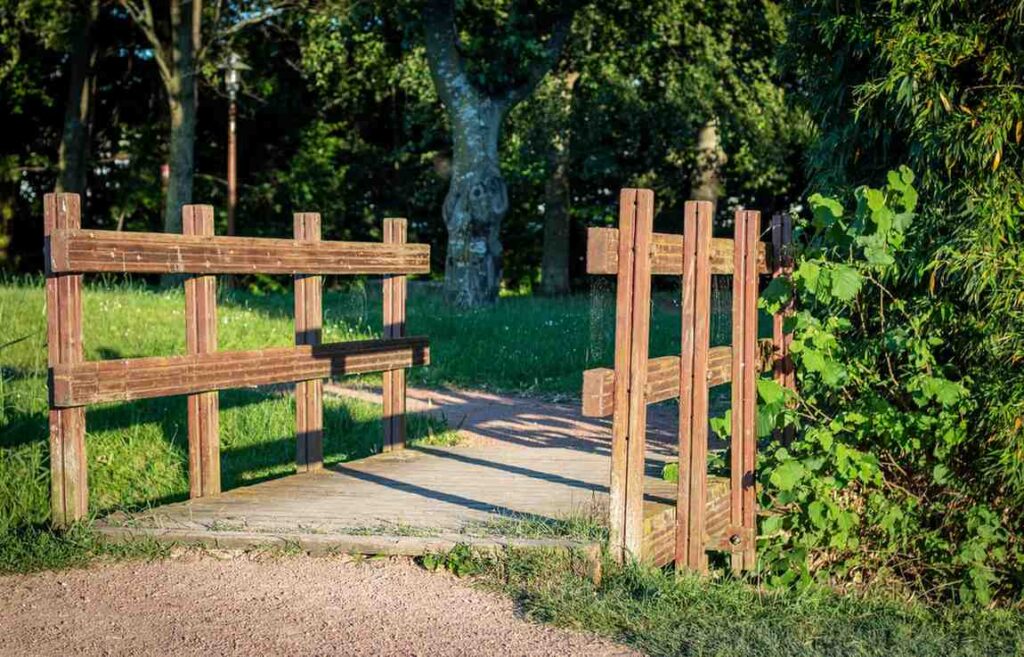
Post-and-rail fencing uses horizontal rails attached to posts, creating a highly open boundary.
This style is often selected for larger properties, landscaping, rural settings, or situations where complete privacy is unnecessary. Because it uses relatively few components compared with solid fencing, material requirements can be lower.
However, post-and-rail fencing does not provide the visual barrier offered by privacy designs. If containment is the goal, additional mesh or another barrier may be needed.
The best value depends on whether the fence performs the function you actually need.
Which Wood Type Works With Your Chosen Style?
Fence style is only one part of the equation. The type of wood can also affect wooden fence cost and long-term maintenance.
Pressure-treated lumber is often selected for practical applications and can be suitable for several fence styles. Cedar is frequently chosen for its natural appearance and outdoor characteristics.
Other wood options may be appropriate for homeowners with specific aesthetic or performance preferences. The most suitable choice depends on local environmental conditions, maintenance expectations, and budget.
A more expensive wood is not automatically better for every application. The right selection should balance appearance, performance, availability, and ongoing care.
How Height Changes the Value of Each Style
A fence style cannot be separated completely from its height. A short privacy fence and a tall privacy fence may look similar in design but require different amounts of material.
Similarly, increasing the height of a picket fence may change its visual proportions and structural requirements.
When comparing wooden fence cost, evaluate height alongside style. Ask whether the additional height provides a meaningful benefit or simply increases the project budget.
Maintenance Should Be Part of the Comparison
Initial installation price is only one part of the value equation. Wood fencing can require periodic cleaning, staining, sealing, painting, or repairs.
The maintenance needs may vary based on wood type, finish, exposure, local weather, and fence design. A design with more individual components or decorative details may require more attention when repairs become necessary.
Consider expected maintenance when comparing styles. A slightly higher upfront investment could be worthwhile if the selected option fits your maintenance preferences better.
How Gates Affect Different Fence Styles
The style of your gates should complement the main fence. A simple picket fence may use a relatively lightweight pedestrian gate, while a tall privacy fence may require a more substantial entrance.
Double gates for vehicles can require stronger posts, hinges, framing, and latching systems. Decorative gates may also increase labor and material requirements.
Since gates are often priced separately, they should be included in your overall wooden fence cost comparison.
Which Style Offers the Best Privacy?
Privacy depends on board spacing, fence height, construction pattern, and property conditions.
Picket and post-and-rail fences provide limited visual screening. Shadow-box designs can offer substantial coverage while maintaining a more detailed appearance. Board-on-board and closely spaced privacy fences generally provide stronger visual separation.
If privacy is your primary objective, compare designs based on actual coverage rather than appearance alone.
Which Fence Type Is Best for a Limited Budget?
For homeowners focused on controlling wooden fence cost, simpler designs may provide the most economical starting point. Open styles typically require less lumber than dense privacy structures.
However, a low-cost fence only provides good value if it meets your requirements. Installing a decorative fence and later replacing it with a privacy fence could ultimately cost more than choosing the appropriate design from the beginning.
The best budget strategy is therefore to prioritize essential functions and avoid unnecessary features.
Comparing Fence Styles by Overall Value
Instead of asking which style has the lowest price, consider the following questions:
- Does the fence provide the privacy you need?
- Is the height appropriate?
- Does the design suit your property?
- Are maintenance requirements manageable?
- Does the wood type fit your environment?
- Are gates and access points practical?
- Will the fence remain useful as your needs change?
Answering these questions can make wooden fence cost easier to evaluate because you are comparing the benefits you receive rather than just the initial amount.
Getting Comparable Quotes
When requesting estimates, describe the exact fence style you want. Include the approximate length, height, wood type, number of gates, finishing requirements, and whether an existing fence needs to be removed.
This helps ensure that different estimates are based on similar specifications.
If one quote is significantly lower, review the details carefully. It may exclude finishing, removal, gate hardware, disposal, or other services.
A detailed comparison is much more useful than choosing a contractor based solely on the smallest number.
Conclusion
Every wooden fence style offers a different combination of appearance, privacy, material use, maintenance, and installation requirements. Picket fences can provide an open decorative boundary, while privacy, board-on-board, and shadow-box designs offer greater screening. Horizontal and lattice-enhanced options can add distinctive visual character, while post-and-rail fencing works well when openness is more important than privacy.
The right choice depends on what you want the fence to accomplish. When comparing wooden fence cost, look beyond the initial installation figure and consider materials, height, gates, maintenance, durability, and long-term usefulness. A fence that fits your property’s purpose can deliver greater value than simply choosing the lowest-priced design.
FAQs
Which wooden fence style usually provides the most privacy?
Tall privacy and board-on-board designs generally provide strong visual screening because their boards are positioned closely together or overlap. The final level of privacy also depends on fence height and installation conditions.
Are picket fences usually suitable for backyard privacy?
Not usually. Traditional picket fences are designed with visible gaps between boards, so they define a property without creating a solid visual barrier. They are better suited to decorative boundaries when complete privacy is not required.
Does a decorative fence always cost more?
No. Some decorative features can increase material and labor requirements, but open fence designs may use less lumber than solid privacy fencing. The total depends on the specific design, wood type, dimensions, and installation complexity.
Is horizontal fencing more expensive than vertical fencing?
It can be, but there is no universal difference. Material dimensions, framing, board spacing, height, wood type, property conditions, and labor all influence the final price. A detailed estimate is the best way to compare the two.