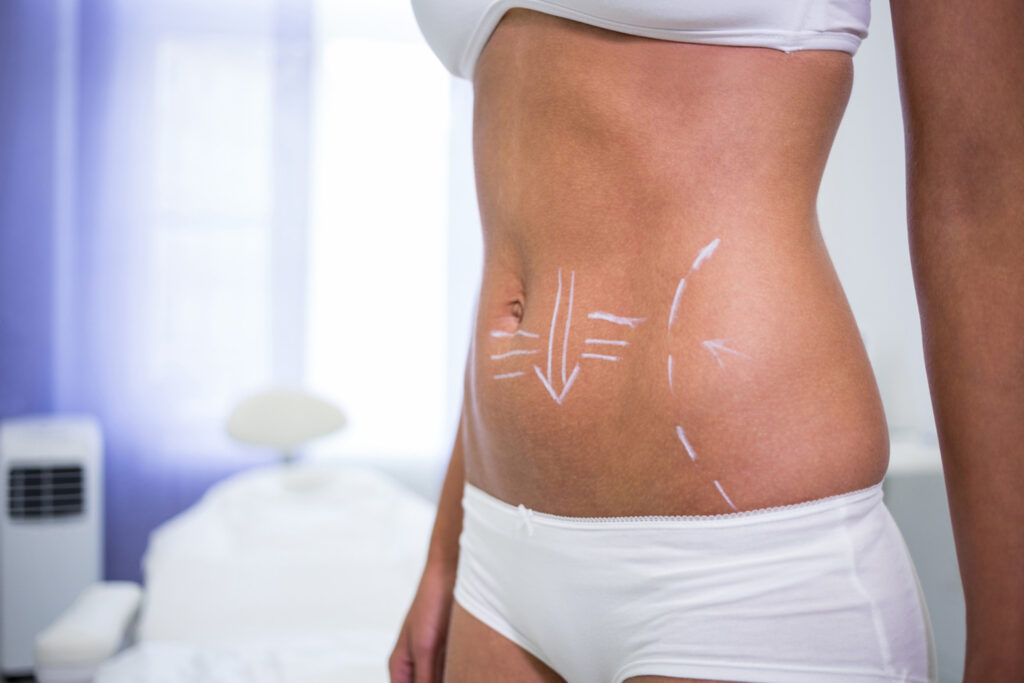
Abdominal appearance can change significantly after pregnancy, substantial weight loss, or natural changes in the body over time. Some people notice loose skin or stubborn fat around the stomach, while others experience a rounded abdominal profile that remains even when their weight is relatively stable. In certain cases, these changes may be associated with abdominal muscle separation, a condition that can influence how the abdomen looks and how a tummy tuck procedure is planned.
Understanding the underlying abdominal structure is an important part of the initial consultation. Rather than focusing exclusively on excess skin or fat, a surgeon evaluates the relationship between the abdominal muscles, connective tissue, skin elasticity, and overall body proportions. This assessment helps determine whether muscle separation is present and whether surgical correction may be appropriate.
For individuals considering Tummy Tuck Surgery Dubai, the consultation provides an opportunity to discuss abdominal concerns, understand the available treatment approaches, and establish realistic expectations. At Cornerstone Clinic, the planning process should be guided by individual anatomy, personal goals, and a detailed clinical assessment rather than a standard approach for every patient.
Understanding Abdominal Muscle Separation
Abdominal muscle separation, medically known as diastasis recti, occurs when the two parallel bands of rectus abdominis muscles move farther apart along the midline of the abdomen. These muscles are connected by a band of connective tissue called the linea alba, which helps support the abdominal wall.
When this connective tissue stretches, the distance between the muscles can increase. The result may be a visible bulge, particularly when the abdominal muscles contract or when pressure inside the abdomen rises.
Muscle separation is commonly associated with pregnancy because the growing uterus places increasing pressure on the abdominal wall. However, it can also occur in people who have experienced significant weight fluctuations or other changes that place sustained pressure on the abdominal tissues.
Not everyone with abdominal muscle separation experiences noticeable symptoms. Some individuals primarily observe changes in their stomach’s appearance, while others may describe reduced abdominal support or difficulty achieving the abdominal contour they want.
During a consultation, the surgeon distinguishes between muscle separation and other causes of abdominal fullness. Excess fat, loose skin, posture, and the natural distribution of abdominal tissue can produce similar visual changes, but each may require a different treatment strategy.
Why Muscle Separation Is Evaluated Before Tummy Tuck Surgery
A tummy tuck, also called abdominoplasty, is designed to address selected concerns involving excess abdominal skin and, when appropriate, the underlying abdominal wall. Assessing the muscles before surgery helps the surgeon understand which structural changes may be contributing to the patient’s concerns.
If muscle separation is present, removing excess skin alone may not address the entire abdominal contour. Depending on the patient’s anatomy and clinical findings, tightening the connective tissue over the abdominal muscles may be considered as part of the procedure.
The purpose of this evaluation is to develop an appropriate surgical plan rather than assume that every patient requires muscle repair. Some people have loose skin without significant muscle separation, while others have muscle separation with relatively little excess skin.
For patients researching Best Tummy Tuck Dubai, it is helpful to understand that a suitable treatment plan depends on more than the amount of skin that can be removed. The surgeon must consider the abdominal wall, tissue quality, the location of excess skin, and the patient’s overall body proportions.
A detailed consultation also provides an opportunity to discuss what surgery can realistically achieve. The aim is to determine which concerns may be addressed through abdominoplasty and whether additional assessment is needed before making a treatment decision.
Reviewing Medical History and Abdominal Changes
The assessment generally begins with a discussion of the patient’s medical history and the changes they have noticed in their abdomen. This information helps the surgeon understand how the abdominal contour has developed and which factors may be relevant to treatment planning.
Previous pregnancies are particularly important because pregnancy can stretch the linea alba and alter the abdominal wall. The surgeon may ask about the number of pregnancies, changes in abdominal shape, and whether the patient noticed a persistent central bulge after childbirth.
Previous weight changes are also relevant. Significant weight loss may leave excess skin, while fluctuations in body weight can influence the distribution of abdominal fat and the appearance of the waistline.
Other useful details may include previous abdominal operations, existing abdominal discomfort, known hernias, and any diagnosed conditions affecting the abdominal wall. The surgeon may also ask about exercise habits, current weight stability, and the patient’s main aesthetic concerns.
This discussion helps distinguish between concerns related primarily to skin, fat, muscle separation, or a combination of these factors. It also allows the surgeon to identify circumstances in which further medical evaluation may be appropriate before proceeding with cosmetic surgery.
How the Surgeon Examines the Abdominal Muscles
A physical examination is a central part of assessing abdominal muscle separation. The surgeon observes the abdomen at rest and may ask the patient to change position or gently activate the abdominal muscles.
These observations can reveal changes in the abdominal profile that are not always apparent when standing normally.
Assessing the Abdomen at Rest
The surgeon first examines the overall shape of the abdomen while the patient is relaxed. Attention may be given to the degree of protrusion, the position of the belly button, skin laxity, and the distribution of soft tissue.
A central bulge may suggest muscle separation, but appearance alone cannot confirm the diagnosis. Similar contours can result from fat distribution, posture, or other changes in the abdominal wall.
The surgeon therefore considers the resting appearance alongside the patient’s medical history and the findings of the physical examination.
Observing Muscle Contraction
The patient may be asked to lie on an examination couch and gently lift the head or shoulders, or perform another simple movement that activates the abdominal muscles.
During this movement, the surgeon observes whether a ridge or bulge appears along the middle of the abdomen. This may indicate that the linea alba is stretched and that the rectus abdominis muscles are separated.
The movement is used as part of a clinical assessment rather than as a definitive test on its own. The surgeon interprets the result alongside other findings and considers whether further investigation is necessary.
Evaluating the Midline of the Abdomen
The surgeon may use gentle palpation to assess the midline of the abdominal wall and estimate the distance between the inner borders of the rectus abdominis muscles.
The examination may also consider the firmness and tension of the connective tissue between the muscles. These findings can help establish whether separation is present and how it affects the abdominal wall.
The width of the separation is only one aspect of the assessment. The quality of the connective tissue, the appearance of the abdominal contour, and the patient’s individual concerns also influence the treatment plan.
Measuring the Degree of Muscle Separation
The distance between the rectus abdominis muscles can vary considerably. A clinician may document the separation in centimetres or millimetres at relevant points along the midline.
Measurements may be taken at the level of the belly button and at locations above or below it, depending on the examination findings. This helps establish whether the separation is relatively localised or extends across a larger section of the abdomen.
There is no single measurement that determines whether every patient needs surgical repair. The significance of a particular measurement depends on the clinical context, the abdominal wall’s function, and the goals of treatment.
In some cases, the physical examination provides sufficient information for initial planning. In other situations, ultrasound or another imaging investigation may be considered to clarify the anatomy, assess a suspected hernia, or investigate findings that cannot be adequately explained by the examination alone.
The purpose of measurement is to inform an individual assessment, not to apply a fixed surgical formula. Two patients with similar separation widths may have different abdominal contours and require different approaches.
Distinguishing Muscle Separation From Excess Skin and Fat
One of the most important parts of the consultation is determining which tissues are responsible for the patient’s abdominal appearance. Muscle separation, loose skin, and excess fat may occur together, but they are distinct concerns.
Excess abdominal fat lies beneath the skin and around deeper structures. Loose skin results from stretching and changes in skin elasticity, often following pregnancy or substantial weight loss. Muscle separation involves the connective tissue between the abdominal muscles.
The surgeon evaluates these features separately because removing skin or reducing fat does not directly repair separated abdominal muscles.
For example, a patient may have a relatively lean abdomen with a persistent central bulge associated with muscle separation. Another patient may have significant loose skin but an abdominal wall without substantial separation. A third patient may have a combination of all three concerns.
This distinction is important when discussing Tummy Tuck Surgery Dubai, as it helps establish whether the proposed procedure should focus primarily on skin removal or whether abdominal wall repair may also be appropriate.
The consultation should explain which features are likely to respond to surgery and which may remain unchanged. This creates a clearer understanding of the expected contour and helps align the treatment plan with the patient’s priorities.
How Muscle Separation Influences Surgical Planning
When the examination indicates abdominal muscle separation, the surgeon considers whether repair should form part of the abdominoplasty plan. In selected patients, the procedure may include suturing the connective tissue along the midline to bring the abdominal muscles closer together and improve abdominal wall support.
This technique is often described as muscle tightening, although the repair primarily addresses the connective tissue between the muscles rather than shortening the muscles themselves.
The decision depends on the location and extent of separation, tissue quality, abdominal shape, and the patient’s overall clinical circumstances. The surgeon also considers the amount of excess skin that needs to be addressed and the position of the belly button.
If muscle separation is limited or absent, the surgical plan may focus more on excess skin and other relevant contour concerns. If the separation extends across a larger area, the surgeon may need to consider how repair would affect the overall abdominal profile.
A full tummy tuck may be appropriate for some patients, particularly when excess skin and muscle separation involve a broader area of the abdomen. Others may be candidates for a different approach depending on the location of the concerns and their individual anatomy.
The final decision should follow a comprehensive assessment rather than relying on the patient’s appearance or a single measurement.
The Role of Skin Elasticity and Body Proportions
Muscle separation is only one factor in achieving a balanced abdominal contour. Skin elasticity, the distribution of fat, waist shape, and the relationship between the upper and lower abdomen also influence the final surgical plan.
Skin that has lost considerable elasticity may not retract sufficiently after changes to the underlying abdominal wall. In these circumstances, removing selected areas of excess skin may be an important part of treatment.
The surgeon also considers the location of loose skin and how the abdomen relates to the waist, hips, and surrounding body shape. These details help determine the extent of skin removal and the likely placement of the surgical incision.
Body proportions are especially relevant when the patient wants a flatter-looking abdomen without an exaggerated or unnatural contour. A treatment plan should account for the patient’s existing anatomy rather than attempt to create the same shape for everyone.
For individuals considering Best Tummy Tuck Dubai, the consultation should therefore address both the structural findings and the desired aesthetic outcome. A well-planned procedure takes the whole abdominal region into account instead of focusing exclusively on the central muscle gap.
Questions to Discuss During Your Consultation
Patients can make better-informed decisions by preparing questions before their appointment. Understanding the examination findings and the reasoning behind the proposed treatment can make the consultation more productive.
Useful questions include:
- Is abdominal muscle separation present, and where is it located?
- How was the separation assessed and measured?
- Is the abdominal bulge primarily related to muscle separation, loose skin, excess fat, or a combination of these factors?
- Would muscle repair be considered as part of the proposed tummy tuck?
- Is a full tummy tuck more appropriate than a limited procedure for my anatomy?
- Would additional imaging or assessment be helpful?
- What changes can reasonably be expected in the abdominal contour?
- How should weight stability and future pregnancy plans influence the timing of surgery?
The surgeon should explain the findings in understandable language and outline why a particular approach is being considered. Patients should also have the opportunity to discuss their expectations, ask follow-up questions, and consider the information before making a decision.
Conclusion
Assessing abdominal muscle separation is an important part of planning tummy tuck surgery because it helps the surgeon understand the underlying structure of the abdominal wall. The consultation typically includes a review of medical history, examination of the abdomen at rest and during muscle contraction, and an assessment of the midline separation. Additional imaging may be considered when the findings require clarification.
The evaluation also distinguishes muscle separation from excess skin and fat, allowing the surgeon to determine which concerns may be addressed through abdominoplasty. When appropriate, muscle repair may be incorporated into the surgical plan alongside the removal of excess skin.
For people exploring Tummy Tuck Surgery Dubai or comparing options for Best Tummy Tuck Dubai, an individualised consultation is the starting point for understanding suitable treatment options. A careful assessment of abdominal anatomy, skin quality, body proportions, and personal goals helps establish realistic expectations and supports a treatment plan tailored to the individual.
Frequently Asked Questions
1. What is abdominal muscle separation?
Abdominal muscle separation, or diastasis recti, occurs when the two rectus abdominis muscles move apart because the connective tissue between them has stretched. It may cause a central abdominal bulge and can develop after pregnancy or other changes that place pressure on the abdominal wall.
2. How does a surgeon assess abdominal muscle separation during consultation?
The surgeon reviews the patient’s medical history and examines the abdomen while it is relaxed and during selected movements that activate the abdominal muscles. Gentle palpation may help estimate the separation, and imaging may be considered when additional information is needed.
3. Can abdominal muscle separation be identified by appearance alone?
No. A central bulge may suggest muscle separation, but excess fat, loose skin, posture, and other abdominal wall changes can create a similar appearance. A clinical examination helps distinguish between these possibilities.
4. Does everyone undergoing tummy tuck surgery need muscle repair?
No. Muscle repair is considered when the assessment indicates that abdominal muscle separation is relevant to the patient’s concerns and surgical goals. Some patients primarily need treatment for excess skin, while others may benefit from a combination of skin removal and abdominal wall repair.
5. Is the width of muscle separation the only factor considered?
No. The surgeon also evaluates the quality of the connective tissue, the location of the separation, abdominal contour, skin elasticity, and the patient’s overall anatomy. The measurement is one part of a broader clinical assessment.
6. Is ultrasound required to assess abdominal muscle separation?
Not always. A physical examination may provide sufficient information for the initial assessment. Ultrasound may be recommended when the diagnosis is uncertain, the anatomy requires further clarification, or a hernia or another abdominal wall concern needs investigation.
7. Can a tummy tuck address both muscle separation and loose skin?
Yes. In suitable patients, a tummy tuck can combine the removal of excess abdominal skin with repair of the connective tissue between separated abdominal muscles. The exact approach depends on the individual’s anatomy and the surgeon’s clinical assessment.
8. What is the difference between muscle separation and excess abdominal fat?
Muscle separation involves the connective tissue between the rectus abdominis muscles, whereas excess fat refers to additional fatty tissue beneath the skin or around deeper structures. Loose skin is a separate concern involving reduced skin elasticity. These conditions may occur together but require different considerations during treatment planning.
9. How does pregnancy affect abdominal muscle separation?
Pregnancy stretches the abdominal wall as the uterus expands. This can increase the distance between the rectus abdominis muscles, and the connective tissue may not return fully to its previous condition after childbirth. The degree of separation varies between individuals.
10. What should I bring to a tummy tuck consultation in Dubai?
It is useful to bring relevant medical history, a list of medications, details of previous abdominal procedures, and information about any diagnosed abdominal wall conditions. Patients should also be prepared to explain their main concerns, treatment goals, and any questions about the proposed procedure.
11. Does muscle separation always cause abdominal discomfort?
No. Some people notice only a change in abdominal appearance, while others report reduced abdominal support or associated symptoms. A clinician can assess the findings and determine whether further evaluation is appropriate.
12. How do I know whether I am suitable for tummy tuck surgery?
Suitability is determined through an individual consultation that considers abdominal muscle separation, excess skin, fat distribution, general health, medical history, weight stability, and treatment expectations. The surgeon uses these findings to discuss whether abdominoplasty is appropriate and which approach may best address the patient’s concerns.