Freshly baked cookies deserve packaging that does more than simply hold them. The right chocolate chip cookie packaging helps maintain texture, preserve flavour, prevent damage during transport, and present products professionally. Whether cookies are prepared by artisan bakeries, home-based businesses, cafés, or food retailers across the UK, packaging plays an important role in food quality and customer satisfaction.
Consumers often judge baked products before taking the first bite. A clean, well-designed package creates confidence while also protecting cookies from moisture, air, and contamination. Understanding how different packaging materials and designs work can help businesses make informed decisions that benefit both product quality and customer experience.
Why Chocolate Chip Cookie Packaging Matters for Fresh Bakery Products
Cookies may appear sturdy, but they are surprisingly sensitive to environmental conditions. Exposure to oxygen can reduce freshness, while excess moisture can soften crisp cookies or create undesirable texture changes. During delivery or retail handling, fragile cookies can also crack if they are not properly supported.
Good packaging addresses several practical challenges at once:
- Helps preserve freshness for longer periods.
- Protects cookies from breaking during transport.
- Supports food hygiene standards.
- Improves shelf presentation.
- Makes storage easier for retailers and customers.
For example, a bakery preparing gift boxes during the holiday season may package individually wrapped cookies inside a sturdy outer box with food-safe inserts. This simple approach reduces movement inside the package while maintaining product quality until it reaches the customer.
Choosing Materials for Chocolate Cookies Packaging
Selecting the right materials depends on how cookies are produced, transported, and sold. Different situations require different chocolate cookies packaging solutions.
Paperboard boxes remain one of the most popular options because they offer a balance between strength, print quality, and sustainability. Many bakeries use recyclable cartons for everyday retail sales.
Corrugated packaging provides additional protection for larger orders or shipping. Its layered construction helps absorb impact during transportation, making it suitable for online bakery deliveries.
Food-grade inner wraps, including grease-resistant paper or sealed pouches, add another layer of protection by limiting exposure to air and moisture.
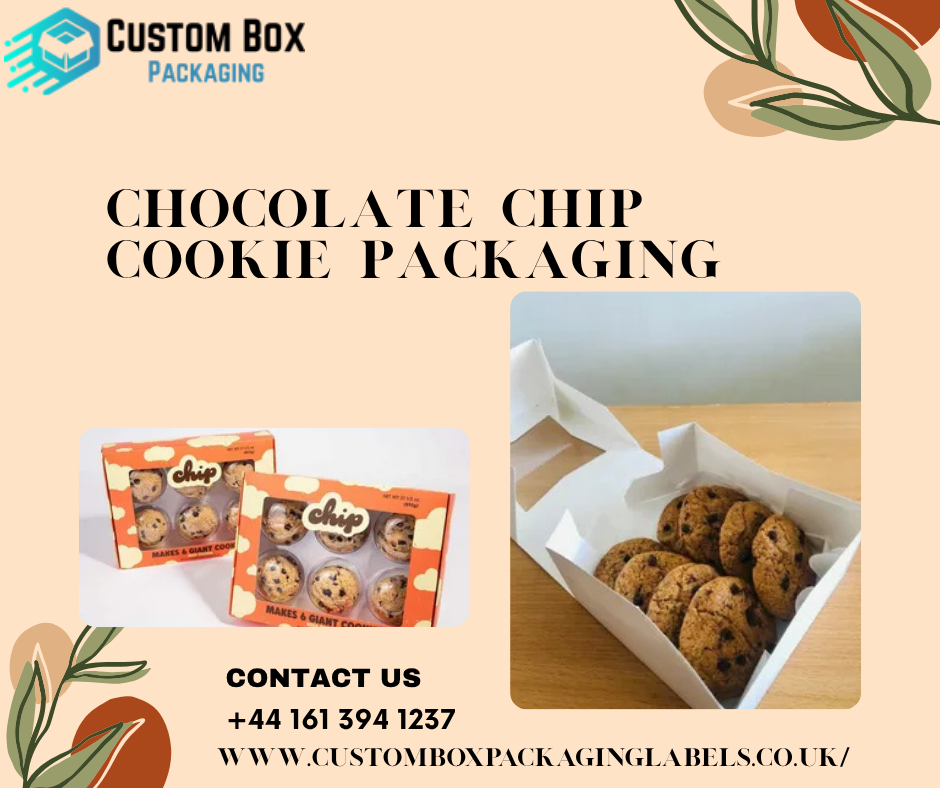
Window boxes are another common choice because they allow customers to see the product before purchasing. Clear viewing panels can showcase freshly baked cookies while keeping them safely enclosed.
Across the UK, many businesses also consider recyclable and responsibly sourced materials to meet growing consumer expectations regarding environmental responsibility.
Designing Packaging That Balances Appearance and Function
Effective packaging combines practical performance with thoughtful design. Attractive graphics alone cannot compensate for packaging that fails to protect the product.
Several design considerations improve usability:
- Strong structural design to prevent crushing.
- Easy-open features that do not damage the contents.
- Clear food labelling and allergen information.
- Appropriate sizing to reduce unnecessary movement.
- Professional branding that supports product recognition.
A bakery selling premium cookies at local farmers’ markets may prefer compact cartons with inserts that keep each cookie separated. Meanwhile, businesses supplying supermarkets may require stackable packaging that performs efficiently during distribution.
One example of thoughtful packaging development comes from customboxpackaginglabels, which highlights how structural design, food-safe materials, and practical functionality should work together rather than focusing only on visual appearance. In the packaging industry, successful designs usually begin with product protection before decorative elements are considered.
Packaging Considerations for Retail, Delivery, and Gift Orders
Not every bakery sells through the same channels, so packaging should reflect the intended journey of the product.
Retail Display
Retail shelves require packaging that remains attractive after repeated handling. Strong folding cartons with secure closures help products stay presentable throughout the day.
Online Delivery
Shipping introduces additional risks. Boxes should resist compression while limiting internal movement. Protective inserts and secure sealing become increasingly important for nationwide deliveries.
Gift Packaging
Gift purchases often place greater emphasis on presentation. Decorative sleeves, ribbon closures, and premium finishing can enhance the overall experience while maintaining practical protection.
Corporate Orders
Businesses ordering cookies for events or employee gifts frequently need consistent sizing, organised packing, and reliable transport performance. Uniform packaging simplifies storage and distribution while maintaining a professional appearance.
Matching packaging to its intended use reduces waste, improves efficiency, and helps preserve product quality throughout the supply chain.
Common Packaging Mistakes That Affect Cookie Quality
Even excellent cookies can disappoint customers if packaging decisions are overlooked. Several common mistakes appear regularly across smaller food businesses.
Using oversized boxes allows cookies to move excessively, increasing the likelihood of breakage.
Selecting packaging without moisture protection may shorten shelf life, particularly in humid environments.
Weak closures can allow air to enter, reducing freshness more quickly than expected.
Ignoring food labelling requirements may create compliance issues while limiting customer confidence.
Choosing packaging based only on appearance instead of performance often results in damaged products during transport.
An experienced bakery typically evaluates packaging through transport testing, shelf-life observations, and customer feedback before adopting a final solution. Small improvements—such as adjusting box dimensions or adding simple inserts—can significantly improve product protection.
Sustainability Is Becoming Part of Modern Bakery Packaging
Environmental responsibility has become an increasingly important consideration for both businesses and consumers throughout the UK. While product protection remains the highest priority, many bakeries now seek packaging that also reduces environmental impact.
Recyclable paperboard, responsibly sourced cardboard, minimal plastic usage, and efficient package sizing all contribute to more sustainable packaging strategies.
Reducing empty space inside boxes also lowers material consumption while improving shipping efficiency. These practical changes benefit businesses without compromising food safety or product protection.
Sustainability works best when combined with durability. Packaging that fails during transport creates additional waste because damaged products often require replacement.
Conclusion
Thoughtful chocolate chip cookie packaging supports far more than product presentation. It protects freshness, preserves texture, improves food safety, reduces transport damage, and enhances the overall customer experience. By carefully selecting suitable materials, designing packaging around real handling conditions, and considering sustainability alongside performance, bakeries and food businesses across the UK can make informed packaging decisions that genuinely support product quality. Effective chocolate cookies packaging is ultimately about protecting the care and craftsmanship that goes into every freshly baked cookie.