Are Shoe Lace Locks Safe for Kids to Wear to School Daily?
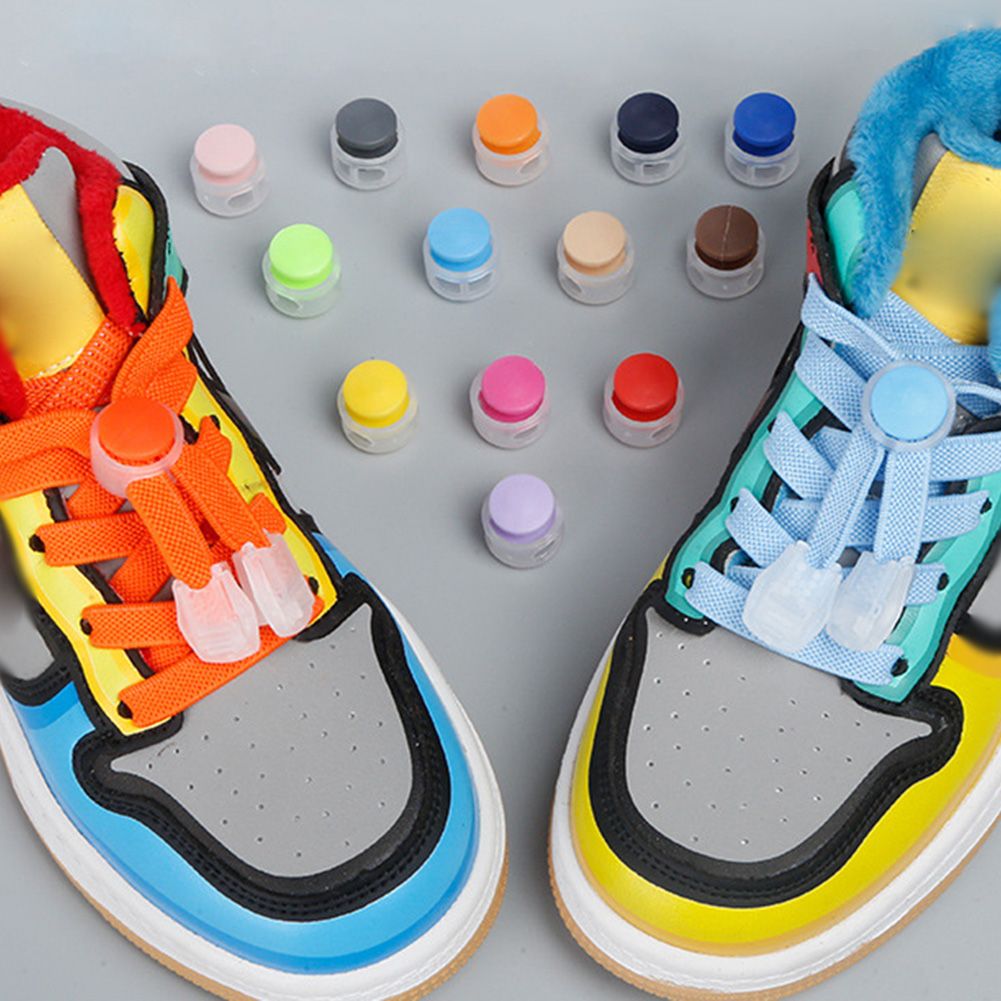
Every morning, parents across the country face the classic scramble to get kids out the door with tied shoes. Unbound laces are more than just a nuisance; on elementary school playgrounds, they present a constant risk for trips, falls, and hallway tangles. Installing shoe lace locks for kids offers a convenient no-tie alternative designed to keep footwear snug all day without requiring repeated manual knotting. But are these spring-loaded or magnetic tension devices truly safe for daily wear at school? Understanding how they perform during recess, physical education, and everyday classroom movement helps parents determine whether lace locks are a secure, practical choice for their children.
Understanding Shoe Lace Locks and How They Work
Shoe lace locks are compact hardware accessories designed to maintain lace tension without relying on traditional bows or double knots. They replace the customary tie process with an adjustable mechanical or friction-based locking mechanism.
To use standard spring-loaded barrel locks, the original laces—or elastic replacements—are threaded through a small housing containing a spring-loaded plunger. Pressing the plunger opens the passage, allowing the user to cinch the lace tight against the tongue of the shoe. Releasing the plunger locks the cord firmly in place.
Other variations include flat plastic springless anchors, magnetic quick-snap closures, and elastic tension bands that thread through eyelets. Regardless of the exact mechanical design, every variation aims to eliminate loose lace ends, preventing the footwear from loosening while the child moves throughout the school day.
Evaluating Daily Safety: Recess, Gym Class, and Hallways
When assessing whether lace locks belong on school shoes, safety during high-energy activities remains the primary concern. School days involve constant physical movement, from sprinting across asphalt playgrounds to scrambling up climbing equipment.
Tripping Hazard Reduction
Traditional cotton laces frequently loosen as children run, jump, or play sports. Dragging lace ends pose an immediate hazard when stepped on by the wearer or a classmate. Lace locks hold elastic or nylon cords firmly against the shoe upper, virtually eliminating trailing strings that cause tripping.
Emergency Disengagement and Entanglement Risks
A common question among parents is whether locked laces create an entanglement danger on playground equipment. If a traditional double-knotted lace becomes caught in a slide joint or metal grid, it can trap a child’s foot during a drop or slide. Quality lace locks use elastic cords or quick-release spring tension. Under severe torque or force, elastic lace systems stretch or allow the barrel mechanism to slip slightly, reducing the risk of a high-impact foot entrapment.
Physical Education Compliance
Most physical education programs require supportive, securely fastened athletic shoes. Lace locks provide uniform tension across the instep, preventing sneakers from slipping off during running drills or indoor court games. However, parents should ensure the lock mechanism is cinched adequately so the heel does not lift during lateral movements.
Age Suitability and Independence in Elementary School
Developing self-reliance is a major milestone during early elementary school years. Teachers frequently manage classrooms of twenty or more students, making constant shoe-tying requests a major disruption to instructional time.
Preschool and Kindergarten (Ages 3–5)
Children in early development often lack the fine motor skills required to tie precise knots. Basic spring-loaded push-button locks allow young children to secure their own footwear independently. Pushing a button and sliding a barrel lock empowers young kids to manage their shoes without adult assistance.
Primary Elementary (Ages 6–8)
As children transition into longer school days with daily recess and gym classes, lace locks maintain consistent foot support. Kids in this age group can easily adjust the tension themselves if their feet feel squeezed after active outdoor play.
Upper Elementary and Middle School (Ages 9+)
Older kids often favor low-profile elastic lock systems for speed and aesthetics. For older students who participate in organized recess sports or track clubs, lace locks keep footwear locked in place without requiring mid-game re-tying.
Key Safety Features to Look For When Buying
Not all fastener systems offer equal quality. When selecting lace locks intended for daily school wear, evaluating structural durability and ergonomic safety features is essential.
-
High-Tension Stainless Steel Springs: Internal springs must be strong enough to withstand continuous impacts without slipping during running or jumping.
-
Smooth, Rounded Housing: Plastic barrels should feature rounded edges rather than sharp corners to prevent scrapes during contact sports or carpet circle time.
-
Elastic Cord Compatibility: Pairing rigid metal or hard plastic locks with non-stretch laces can concentrate pressure on the top of the foot. Utilizing flexible elastic laces allows the system to absorb foot expansion during activity.
-
Secure Cord Clips: Excess cord ends should be trimmed properly and secured with a snap-fit cord clip to ensure loose ends do not dangle or catch on obstacles.
Potential Downsides and How to Avoid Common Mistakes
While lace locks offer clear safety benefits, improper installation or low-quality materials can create unexpected issues.
Over-Tightening and Circulation Issues
Because lace locks allow quick cinching, children sometimes pull the mechanism too tight. Excessive pressure across the dorsal bridge of the foot can restrict blood circulation or cause localized tendon discomfort. Parents should test the tension after initial installation, ensuring two fingers can comfortably slide under the eyelet stay while the child is standing.
Low-Quality Spring Slippage
Cheaper plastic locks often use weak internal springs that degrade after a few weeks of active wear. If the spring loses its grip, the lock can slide down the lace during PE class, causing the sneaker to loosen without the child noticing. Choosing reputable brands with heavy-duty internal springs prevents unexpected slippage.
Improper Cord Trimming
When installing cut-to-fit elastic lace systems, cutting the laces too short leaves no margin for foot growth or entry clearance. Always leave two to three inches of slack beyond the lock mechanism before securing the end clip.
Comparing Lace Locks to Alternative No-Tie Solutions
To help parents choose the safest and most convenient fastening system for school footwear, the following table compares common options across key functional criteria.
Fastening System Performance Comparison
| Fastener Type | Tripping Hazard Risk | Ease of Self-Adjustment | Foot Support & Security | Durability Under Daily Recess Wear |
|---|---|---|---|---|
| Spring Barrel Lace Locks | Extremely Low | High (Push & Slide) | High (Uniform Tension) | High (Heavy-duty plastic/metal spring) |
| Traditional Double Knots | Moderate to High | Low (Requires Knotting Skill) | High (When tied correctly) | Moderate (Frequently unties during play) |
| Velcro Straps | Low | Very High (Pull & Press) | Moderate (Strap placement fixed) | Moderate (Velcro accumulates lint over time) |
| Magnetic Lace Clamps | Low | High (Snap Together) | Moderate (May snap open under heavy torque) | High (Hard plastic/metal bodies) |
Installation Best Practices for Maximum School Safety
Proper setup determines whether a lace lock system remains safe and functional throughout the school semester.
-
Thread the Shoe While Wearer is Standing: Insert the elastic or standard laces while your child wears the sneaker. Standing ensures the foot is expanded naturally, preventing over-tightening.
-
Engage the Locking Plunger fully: Depress the spring-loaded button fully before threading cord ends through the barrel passages to avoid fraying internal fibers.
-
Set Ideal Tension: Slide the lock down against the tongue until the footwear feels snug around the midfoot and heel cup. Verify that the heel does not slip out while walking.
-
Trim and Cap Extra Cord: Measure approximately 2 to 3 inches beyond the lock housing, trim off excess cord with sharp scissors, and seal the ends inside the provided snap-on end clip.
-
Conduct a Recess Test Run: Have your child run, jump, and perform quick lateral cuts in the backyard before sending them to school with the new setup.
Conclusion
Shoe lace locks provide a safe, effective, and reliable solution for elementary and middle school students. By securing loose cord ends and maintaining steady tension throughout active recess sessions, these accessories significantly lower tripping hazards compared to conventional laces. They foster childhood independence in the classroom while giving parents peace of mind during gym class and outdoor play. When paired with high-quality elastic cords and properly fitted to avoid over-tightening, lace locks represent a secure, daily-wear upgrade for children’s school footwear.
Frequently Asked Questions
Are lace locks allowed under standard school dress codes?
Yes, the vast majority of public and private schools permit lace locks. Because they keep footwear neatly secured without dangling strings, teachers and administrators generally view them as a practical safety enhancement.
Can lace locks be used with original shoe laces?
While lace locks function with standard woven laces, pairing them with elastic replacement laces yields superior comfort and safety. Elastic cords flex as the foot moves, preventing tight pressure points across the top of the foot.
Will lace locks slip off during active PE classes?
High-quality spring-loaded barrel locks featuring stainless steel springs hold firmly under vigorous running and jumping. Low-cost locks with weak springs may slip, so selecting durable hardware is important for sports activities.
How do I know if my child’s lace locks are set too tight?
If your child complains of tingling, redness across the top of the foot, or difficulty flexing their ankle, the lock is cinched too tightly. You should be able to slide a finger easily beneath the laces near the top eyelet.
Are magnetic shoe locks safer than spring-loaded barrel locks?
Both designs reduce tripping hazards by eliminating loose bows. However, spring-loaded barrel locks stay closed under intense vertical tension, whereas magnetic locks may pop open if kicked forcefully during soccer or playground games.