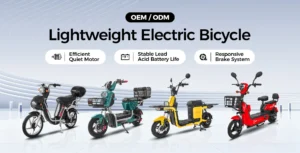
Electric motorcycle businesses depend on reliable supply arrangements to maintain inventory, serve customers, and plan future growth. While an initial purchase may be based on price and product availability, long-term commercial success often depends on the supplier’s consistency, communication, product quality, and ability to support changing requirements. Choosing a supplier should therefore involve evaluating the entire business relationship rather than focusing exclusively on a single order.
Long-term sourcing relationships require trust supported by clear commercial processes. An Electric Motorcycle Supplier should be capable of communicating specifications, maintaining agreed purchasing conditions, coordinating production and delivery, and addressing product-related concerns in a practical manner that supports repeat business.
Establish What Your Business Needs From a Supplier
Before contacting suppliers, define your purchasing requirements. Consider the types of motorcycles you intend to sell, expected order volumes, customer segments, target prices, delivery schedules, and the markets where vehicles will be distributed.
Some businesses may require standard models for retail sales, while others need vehicles for delivery fleets, rental operations, or specialized commercial applications. Requirements may include specific battery configurations, accessories, equipment packages, or branding arrangements.
A clear purchasing plan allows suppliers to provide more relevant quotations and helps your business compare potential partners more effectively.
Assess Product Consistency and Specification Control
Product consistency is essential when placing repeat orders. Customers may expect the same model to have identical or closely matching specifications, appearance, and functionality when purchased at different times.
Ask how the supplier manages product specifications, component sourcing, assembly instructions, and approved changes. Confirm whether the supplier can maintain agreed configurations across production batches.
Changes to components can affect maintenance, spare parts, customer expectations, and product compatibility. Buyers should establish a process for approving substitutions or modifications before they are introduced.
Consider Communication and Responsiveness
Good communication is particularly valuable when orders involve multiple models, customization, production schedules, or international shipping. A supplier should be able to provide clear answers and communicate important information without unnecessary ambiguity.
Evaluate how questions are handled during the initial discussions. Are technical details explained accurately? Are quotations complete? Are potential limitations disclosed? Does the representative follow up on outstanding questions?
Communication standards established early can influence the effectiveness of the relationship after the first order.
Evaluate Manufacturing and Quality Procedures
Although supplier business models differ, buyers should understand how products are sourced, assembled, inspected, and prepared for delivery. Ask about component inspections, production controls, finished-product testing, packaging, and procedures for handling nonconforming products.
Samples may help establish expectations regarding workmanship, equipment, appearance, and functionality. For larger or repeat orders, agreed inspection procedures can provide additional confidence.
Documenting approved specifications and quality expectations helps both parties understand what constitutes an acceptable product.
Compare Commercial Terms and Financial Reliability
Commercial agreements should clearly establish pricing, order quantities, payment terms, production lead times, shipment arrangements, and responsibilities for additional charges.
When evaluating long-term suppliers, consider how pricing is communicated and whether quotations explain the factors that may affect costs. Businesses should also understand the conditions under which pricing may change, particularly when components, freight, or production requirements fluctuate.
Avoid committing to purchasing volumes that exceed your business’s inventory capacity or financial resources. Long-term relationships should support sustainable purchasing rather than encourage excessive stock accumulation.
Review Delivery and Supply Continuity
A dependable supplier should provide realistic lead times and communicate scheduling changes. Buyers should ask how production planning is managed, how component shortages are handled, and whether the supplier can accommodate expected future demand.
Delivery performance can affect retailer relationships and customer satisfaction. Businesses should maintain records of order dates, shipment updates, delivery times, and any problems encountered.
For seasonal sales, planning ahead can reduce the impact of unexpected delays and help maintain stock during important selling periods.
Examine Spare Parts and Service Support
Electric motorcycles require maintenance, and businesses may need replacement parts throughout the product lifecycle. Discuss spare-parts availability, technical documentation, troubleshooting support, warranty procedures, and communication regarding product updates.
A supplier that supports service requirements can help retailers and distributors manage customer concerns more effectively. Buyers should determine which components are available, how parts are ordered, and whether support arrangements remain accessible after the original purchase.
Develop a Relationship Based on Accountability
Long-term partnerships benefit from written agreements, consistent purchasing procedures, clear responsibilities, and honest communication. Both parties should understand order requirements, inspection expectations, delivery commitments, and processes for resolving disputes.
Review supplier performance regularly rather than assuming the relationship will remain satisfactory indefinitely. Feedback about quality, delivery, and support can help identify areas requiring improvement.
Choose Partnership Value Over Short-Term Discounts
The most suitable supplier is not necessarily the one offering the lowest price. Consistency, communication, quality, flexibility, and support can have substantial commercial value over time.
By defining requirements, verifying capabilities, reviewing commercial terms, and maintaining open communication, businesses can develop electric motorcycle supply relationships that support dependable operations and sustainable growth.