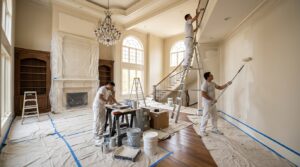
A fresh coat of paint can change how a property looks and feels. However, a large project involves more than choosing a colour. Painting Services should begin with a clear idea of the work, the surfaces involved, and the finish you want. Without a plan, small decisions can lead to delays, uneven results, or extra work.
Your goals should reflect how each space is used and what condition it is in. A family home may need hard-wearing finishes in busy areas, while a business may need a neat and consistent look. By setting priorities early, you can make better choices and give the painting team clear instructions.
Why Should You Set Goals Before Painting a Property?
Clear goals help you decide what the project must achieve. You may want to refresh faded walls, cover marks, protect exposed surfaces, or give the whole property a new look. Professional painting services can cover these needs, but the team must first understand your priorities. A written plan makes the expected result easier to discuss.
Think about how the property is used each day. A hallway may need a finish that handles frequent contact, while a guest room may need a calmer look. List the areas that matter most and note any visible damage. This gives the painters a clear starting point and helps keep the work focused.
How Do You Decide Which Areas Need Painting?
Start by walking through every room and checking the walls, ceilings, doors, frames, and other painted surfaces. Residential painting may involve several rooms, but not every area will need the same level of work. Look for peeling paint, cracks, stains, fading, damp marks, and rough patches before deciding what should be included.
Make a simple room-by-room list and mark each area as urgent, needed, or optional. This helps you set priorities if the project must be completed in stages. For complete painting services for homes, include less obvious spaces such as stairways, storage rooms, and ceilings where the condition of the paint may have changed.
How Should You Choose Colours and Paint Finishes?
Choose colours based on the room’s purpose, natural light, furniture, and the look you want to create. Home painting services can cover a wide range of styles, from soft neutral shades to stronger feature colours. Test a few samples on the wall before making a final choice, as colours can look different under daylight and indoor lighting.
The finish matters too. Flat or matte paint can help reduce the appearance of minor wall marks, while satin and semi-gloss finishes are often easier to clean. The right option depends on the surface and how much contact it receives. Ask the painter to explain which products suit each area before you approve the plan.
What Should You Include in a Full Property Paint Plan?
A full project plan should state which surfaces will be painted, what preparation is needed, and what finish is expected. It should also cover Professional painting services such as wall repairs, priming, sanding, and the removal of loose paint. Clear details help prevent confusion about what is included in the agreed work.
For painting services for entire houses, record each room and its required tasks. Include ceilings, trim, doors, exterior walls, and other surfaces where relevant. Note any areas that need special care, such as damaged plaster or old coatings. Share this list with the painting team so both sides understand the full scope.
What Is the Difference Between Residential and Commercial Projects?
Residential painting focuses on homes and the needs of people who live in them. The work may include bedrooms, kitchens, bathrooms, living spaces, and exterior walls. The choice of paint should reflect daily use, cleaning needs, moisture, and the condition of each surface. A clear room plan also helps limit disruption to household routines.
Commercial painting often involves offices, shops, shared buildings, and other work spaces. Commercial painting may need to fit around staff, visitors, business hours, and safety rules. Professional painting for business properties should account for access, work zones, and suitable finishes. Planning these details helps the property remain organised while the work takes place.
How Does Surface Preparation Affect the Final Finish?
Good preparation helps paint stick to the surface and gives the finished coat a more even look. Before painting starts, walls may need cleaning, sanding, filling, or priming. Surface preparation for smooth paint finishes also helps deal with loose paint, small holes, cracks, and rough areas that could remain visible after the job.
The required work depends on the material and its condition. A previously painted wall may need a different approach from bare plaster, wood, or metal. Ask the painter to check each surface before choosing the right steps. Covering a problem with fresh paint rarely fixes the cause, so stains, damp areas, and damaged sections should be assessed first.
How Can You Set a Realistic Schedule?
A realistic schedule should account for the size of the property, the number of surfaces, preparation needs, and drying time. Skilled painters for property projects can explain the order of work and identify tasks that may take longer. Avoid setting a finish date without first discussing the condition of the walls and the work involved.
Think about how painting will affect daily life. You may need to move furniture, clear rooms, protect belongings, or arrange access to certain areas. For a business, the plan may need to separate work zones or schedule tasks outside busy hours. Agree on how updates will be shared if the schedule changes.
What Should You Discuss With Painters Before Work Begins?
Discuss the project scope, paint choices, surface repairs, access, preparation, and expected finish before work starts. Ask which tasks are included and which may need separate approval. Painting Services should be based on a shared understanding of the job, rather than assumptions made during the first visit. Clear answers help you compare proposals fairly.
Also ask who will move or cover furniture, protect floors, and handle waste from the work. Confirm how the team will deal with unexpected damage found during preparation. Keep the agreed details in writing, including the rooms and surfaces involved. This gives everyone a useful reference if questions arise during the project.
What Common Planning Mistakes Should You Avoid?
One common mistake is choosing colours before checking the condition of the surfaces. Another is forgetting ceilings, trims, doors, or less-used rooms when listing the work. Business property painting can also become difficult if access and working hours are not discussed early. A complete list helps prevent missed areas and unclear expectations.
Do not assume that every surface needs the same paint or preparation. Different materials and rooms may need different products and methods. Avoid rushing the selection process or making major changes after work has started. Give the painters enough information at the start, and ask questions if any part of the plan is unclear.
How Can You Review the Finished Painting Work?
Review the work after the paint has dried according to the product guidance. Check that the agreed rooms and surfaces have been covered, and look for missed patches, uneven areas, drips, or visible marks. View the finish in normal daylight as well as indoor lighting, since some flaws may be harder to spot in dim conditions.
Use your original project list as a guide during the final check. Note any areas that need attention and discuss them with the painting team. Check that furniture and fittings have been returned safely and that the work areas are clean. A careful review helps confirm that the completed job matches the plan you agreed on.
Conclusion
A successful full property paint project starts with clear goals. Decide which areas need work, choose suitable colours and finishes, and agree on preparation, timing, and the project scope. Careful planning helps reduce confusion and gives painters a clear idea of the result you expect. Painting Services are easier to manage when everyone understands the work before it begins. Take time to review the plan, ask questions, and keep the agreed details in writing.
FAQ
How early should I plan a full property paint project?
Start planning before you want the work to begin. This gives you time to inspect surfaces, choose colours, discuss the scope, and arrange access. Larger properties or jobs with repairs may need more preparation time than a small room refresh.
Should I paint every room at the same time?
Not always. The best approach depends on your schedule, budget, property use, and the condition of each room. You can divide the work into stages, but plan the order so colour choices and finishes remain consistent where needed.
Do walls need repairs before they are painted?
Yes, damaged areas should be checked before painting. Cracks, holes, loose coatings, and stains may need attention first. The right repair depends on the cause and type of damage. Painting over an unresolved issue may leave the problem visible.
How do I choose the right paint finish?
Consider the surface, room use, cleaning needs, and look you want. Matte finishes can suit some living areas, while washable finishes may be more practical in busy spaces. Ask the painter to recommend an option for each surface.
Can a property remain in use during painting?
Often, yes, but it depends on the size and location of the work. Rooms may need to be cleared or kept unused while painting and drying take place. Discuss access, ventilation, and safe work areas before the schedule is agreed.
What should a painting quote include?
A useful quote should describe the surfaces and rooms covered, preparation tasks, paint details, number of coats where agreed, and any exclusions. It should also explain how extra repairs or changes will be handled. Compare the scope, not just the final figure.