Living with diabetes can sometimes make ordinary routines feel more complicated. What should you eat? When should you exercise? How often should you check your blood glucose? Are your medications working as expected? These questions can make diabetes care seem overwhelming, but effective diabetes management does not have to mean changing everything at once.
The goal is to develop practical habits that support steadier blood glucose levels and overall well-being. Nutrition, physical activity, medication adherence, sleep, stress management, and regular health monitoring can all play a role. The right approach also depends on the type of diabetes, prescribed treatment, age, lifestyle, and individual health needs.
Rather than searching for a perfect routine, it is often more useful to create one that is realistic enough to follow consistently. Small improvements repeated over time can become meaningful parts of everyday diabetes care.
Start With a Routine You Can Actually Maintain
A complicated plan is not necessarily a better plan. One of the most useful steps in diabetes management is establishing a daily routine that fits naturally into your schedule.
This may include taking medications at prescribed times, planning meals, staying physically active, checking blood glucose when recommended, and getting adequate sleep. Keeping these activities connected to existing habits can make them easier to remember.
For example, taking medication alongside an established daily routine may help reduce missed doses, provided the medication is intended to be taken at that time. A written schedule, phone reminder, glucose log, or medication organizer may also help.
Your routine should remain flexible. Work schedules, travel, illness, social activities, and other circumstances can change your day. The goal is consistency rather than perfection.
Build Meals Around Balance, Not Strict Rules
Food plays an important role in blood sugar control, but diabetes-friendly eating does not necessarily mean eliminating every carbohydrate or following an extremely restrictive diet.
A balanced meal can include non-starchy vegetables, a source of protein, high-fiber carbohydrate choices, and healthy fats in appropriate portions. Foods such as beans, lentils, vegetables, whole grains, nuts, seeds, eggs, fish, and lean protein can often fit into a balanced eating pattern.
Carbohydrates have a direct effect on blood glucose, so understanding portions and choosing higher-fiber options can be useful. Fiber can slow digestion and may help support more gradual changes in blood sugar after meals.
Meal planning can also reduce the temptation to rely on highly processed foods when you are hungry and short on time. Preparing some ingredients ahead of time, keeping nutritious snacks available, and learning to read food labels can make healthy choices more convenient.
A registered dietitian or healthcare professional can provide individualized nutrition guidance, particularly when medications or insulin affect meal planning.
Pay Attention to Blood Glucose Patterns
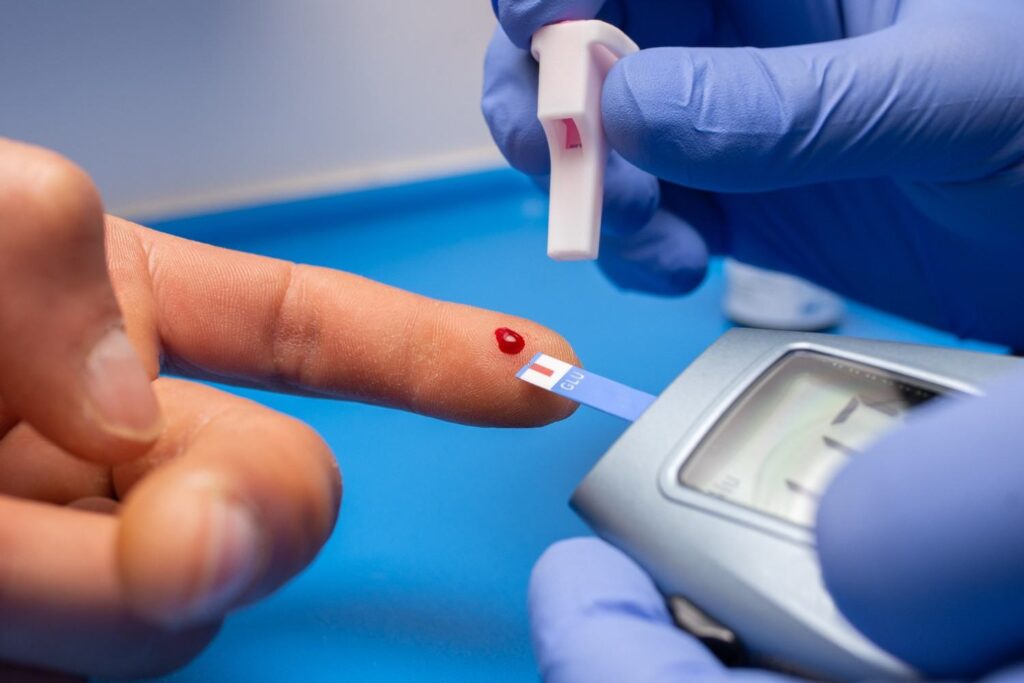
Blood glucose monitoring can provide useful information about how your body responds to food, activity, medications, illness, and other daily factors.
The frequency of checking blood sugar depends on your diabetes type, treatment plan, medications, and individual circumstances. Some people may use a traditional glucose meter, while others may be prescribed continuous glucose monitoring.
Instead of focusing on a single reading, look for patterns when your healthcare professional recommends doing so. For example, consistently higher readings after certain meals may provide information worth discussing during an appointment.
Keeping notes about meals, physical activity, medication timing, stress, sleep, and glucose readings can make these patterns easier to recognize.
Do not independently change insulin or other diabetes medications based solely on a single reading unless your healthcare professional has provided specific instructions for doing so.
Make Physical Activity Part of the Day
Regular movement is another important component of diabetes management. Physical activity can help the body use glucose for energy and may contribute to cardiovascular fitness, strength, mobility, and weight-related health goals.
You do not necessarily need an elaborate gym routine. Walking, cycling, swimming, dancing, household activities, resistance exercises, and other forms of movement can contribute to an active lifestyle.
Breaking long periods of sitting with short movement breaks may also be practical for people who spend much of the day at a desk.
A useful approach is to choose activities that you enjoy and can perform safely. Adults with diabetes are often encouraged to include both aerobic activity and muscle-strengthening exercises, but the appropriate amount and intensity can vary.
If you have been inactive for a long period or have other health considerations, discuss an appropriate exercise plan with a healthcare professional before making major changes.
Understand the Importance of Medication Adherence
For some people, lifestyle changes alone are not enough to maintain target blood glucose levels. Diabetes medications, including oral medicines and injectable treatments such as insulin, may be an important part of their care plan.
Taking medication exactly as prescribed is an essential aspect of diabetes management. Skipping doses, changing the timing, or stopping treatment without professional guidance can affect blood glucose control.
If a medication causes side effects, becomes difficult to afford, interferes with your routine, or is simply difficult to remember, discuss the problem with your healthcare professional rather than quietly discontinuing it.
Your treatment plan may need adjustment over time. Diabetes can change, and medications that worked well previously may require modification as circumstances evolve.
Give Sleep More Attention
Sleep is sometimes overlooked when people think about blood sugar management. Yet poor sleep can affect energy, appetite, mood, and daily activity, all of which can influence diabetes care.
Try to maintain a reasonably consistent sleep schedule and create a relaxing bedtime routine. Limiting unnecessary screen exposure before bed, keeping the bedroom comfortable, and avoiding excessive caffeine late in the day may help support healthier sleep habits.
Persistent sleep problems should not simply be ignored. Conditions such as sleep apnea can affect health and may require professional evaluation.
Getting enough restorative sleep can make it easier to stay active, prepare balanced meals, remember medications, and manage everyday responsibilities.
Learn How Stress Affects Your Routine
Stress does not affect everyone in exactly the same way, but ongoing stress can make diabetes care more challenging. When people feel overwhelmed, they may skip exercise, rely on convenience foods, forget medications, or stop checking their glucose as recommended.
Finding practical ways to manage stress can therefore support diabetes management. Deep breathing, walking, stretching, hobbies, social connection, journaling, mindfulness, and other relaxing activities may be useful.
You do not need to eliminate every stressful situation. Instead, consider building short recovery periods into your day.
If stress, anxiety, low mood, or emotional difficulties are interfering significantly with diabetes care or daily life, talk with a qualified healthcare professional.
Do Not Overlook Foot Care
Diabetes can increase the risk of foot problems, particularly when blood circulation or nerve function is affected. Regular foot awareness is therefore an important part of comprehensive care.
Look at your feet regularly for cuts, blisters, redness, swelling, sores, or other changes. Keep the skin clean and dry, and choose properly fitting footwear.
Avoid ignoring a wound simply because it does not hurt. Reduced sensation can sometimes make injuries less noticeable.
If you notice a persistent sore, significant swelling, signs of infection, or another concerning change, seek medical advice promptly.
Keep Up With Preventive Health Checks
Diabetes management extends beyond daily blood sugar readings. Regular healthcare visits can help monitor overall health and identify potential complications early.
Depending on your individual situation, recommended care may include A1C testing, blood pressure monitoring, cholesterol assessment, kidney health evaluation, eye examinations, dental care, vaccination review, and foot assessments.
The exact schedule varies from person to person. Your healthcare professional can explain which evaluations are appropriate and how frequently they should be completed.
Keeping a record of appointments, test results, medications, and questions can help make healthcare visits more productive.
Make Healthy Choices Easier
Willpower is not the only factor influencing daily decisions. Your environment can make healthy habits easier or harder.
Keep nutritious foods accessible, prepare simple meals when possible, place medications somewhere appropriate and easy to remember, and keep comfortable walking shoes available if walking is part of your activity plan.
If you work long hours, identify healthy options that require little preparation. If you travel frequently, plan how you will carry medications, supplies, and appropriate snacks.
The most sustainable approach is usually the one that works with your lifestyle rather than constantly fighting against it.
Know What to Do When Your Routine Goes Off Track
Almost everyone experiences days when their routine does not go as planned. A missed workout, restaurant meal, disrupted sleep schedule, or forgotten glucose check does not mean your entire plan has failed.
Avoid responding with extreme restrictions or attempting to compensate in unsafe ways. Instead, return to your usual routine at the next reasonable opportunity.
For medication-related mistakes, follow the instructions provided with your specific medication or contact your healthcare professional or pharmacist if you are unsure what to do.
Learning how to recover from disruptions is an important part of sustainable diabetes management. Consistency over weeks and months matters more than achieving perfection every day.
Create Goals That Are Specific and Realistic
Vague goals such as “eat healthier” or “exercise more” can be difficult to measure. More specific goals can provide clearer direction.
For example, you might decide to take a short walk after a particular meal on several days each week, prepare vegetables for upcoming meals, or record glucose readings according to your prescribed monitoring schedule.
Your goals should reflect your health needs and recommendations from your healthcare team. If a goal feels impossible to maintain, adjust it rather than abandoning your entire routine.
Over time, small achievements can build confidence and make healthy behaviors feel more automatic.
When Professional Guidance Matters
Although lifestyle habits are valuable, diabetes management should not be treated as a one-size-fits-all program. Diabetes treatment may involve different medications, insulin regimens, nutritional considerations, monitoring schedules, and health goals.
Contact your healthcare professional if your blood glucose readings are repeatedly outside your recommended range, you are experiencing symptoms of low or high blood sugar, you have difficulty taking medications as prescribed, or your treatment plan no longer fits your lifestyle.
Seek urgent medical care for severe symptoms such as confusion, loss of consciousness, difficulty breathing, severe dehydration, or other symptoms that may indicate a serious complication.
Working with healthcare professionals can help you understand your individual targets and make informed adjustments when needed.
Build Progress One Habit at a Time
The strongest diabetes routine is not necessarily the most complicated. It is one that can be followed consistently and adjusted when life changes.
Start by identifying one or two areas that need attention. Perhaps meals have become unpredictable, physical activity has declined, or medication reminders would be helpful. Addressing one issue at a time can make change feel more manageable.
As those habits become familiar, additional improvements can be introduced. This gradual approach can make diabetes management less overwhelming while supporting long-term consistency.
The purpose is not to control every detail of your life. It is to create practical systems that support your health while leaving room for normal daily experiences.
Conclusion
Effective diabetes management is built through a combination of informed decisions, consistent routines, regular monitoring, and appropriate medical care. Balanced meals, physical activity, medication adherence, sufficient sleep, stress management, foot awareness, and preventive health checks can all contribute to a comprehensive approach.
There is no single routine that works perfectly for everyone. Your diabetes type, medications, glucose targets, activity level, nutritional needs, and other health factors all influence what is appropriate for you.
Instead of trying to change everything overnight, focus on sustainable habits that fit your life. When challenges arise, use them as opportunities to reassess your routine and seek professional guidance when necessary. With practical planning and ongoing support, diabetes care can become a manageable part of everyday life.
FAQs
1. What is the main goal of diabetes management?
The main goal is to keep blood glucose within an individualized target range while supporting overall health and reducing the risk of diabetes-related complications. This may involve nutrition, physical activity, medications, monitoring, and regular healthcare visits.
2. Can lifestyle changes replace diabetes medication?
Not necessarily. Some people may improve their glucose control through lifestyle changes, but many still need medication or insulin. Never stop or alter prescribed treatment without discussing it with your healthcare professional.
3. How often should someone with diabetes check their blood sugar?
The recommended frequency varies according to diabetes type, medication, insulin use, glucose patterns, and individual circumstances. Follow the monitoring schedule provided by your healthcare professional.
4. What is one simple habit that can support better diabetes care?
Creating a consistent daily routine can be helpful. Connecting meals, medication, physical activity, glucose monitoring, and sleep with predictable parts of your day may make diabetes care easier to maintain.