Drew House The Story Behind the Smiley-Face Streetwear trends, Drew House built its identity around something surprisingly simple: comfort, personality, and a bright smiley face. Created by Justin Bieber and Ryan Good, Drew House entered the fashion scene in 2019 with an attitude that felt less like a traditional clothing launch and more like an invitation to relax. The brand quickly became recognisable for its laid-back silhouettes, playful graphics, soft colours, oversized clothing, and instantly memorable yellow smiley logo. What made Drew House particularly interesting was that it did not try to make casual clothing look overly serious. Instead, it embraced the idea that getting dressed should feel easy, expressive, and comfortable.
What Is Drew House?
Drew House is a streetwear and lifestyle clothing label associated with Justin Bieber and his longtime friend and collaborator Ryan Good. The name comes from Bieber’s middle name, while the brand’s visual identity is dominated by the famous smiley-face design with “drew” written across the mouth. From its earliest collections, the label focused on relaxed clothing rather than sharply tailored fashion. Hoodies, sweatshirts, T-shirts, shorts, trousers, slippers, and other casual pieces became central to its aesthetic. When the label first launched, it described itself as a place where people could be themselves, reinforcing the idea that its clothing was about personal comfort rather than following strict fashion rules.
That philosophy helps explain why Drew House attracted attention so quickly. It was not simply another celebrity merchandise project built around a famous name. The clothing had a recognisable personality of its own. The oversized shapes, cheerful graphics, relaxed styling, and deliberately uncomplicated approach created a visual language that could be spotted almost instantly. In a market where many streetwear brands compete through limited releases and elaborate branding, Drew House found another route: make everyday clothing feel fun.
The Meaning Behind the Drew House Aesthetic
The Drew House aesthetic is easy to recognise but harder to replicate convincingly. At first glance, the formula seems simple: an oversized hoodie, loose trousers, a graphic T-shirt, and the familiar smiley logo. Yet the appeal comes from how these elements work together. The clothing often feels relaxed without looking careless, playful without becoming childish, and casual without losing its connection to contemporary streetwear.
Colour is another important part of the Drew House identity. The signature yellow smiley face immediately creates an optimistic visual impression, while other pieces have explored neutral shades, earthy colours, and brighter tones. Early coverage of the brand highlighted everything from beige corduroy pieces to colourful T-shirts and the now-famous smiley graphics.
The result is clothing that can fit naturally into an everyday wardrobe. A Drew House hoodie does not necessarily require an elaborate outfit around it. It can be worn with loose jeans, sweatpants, cargo trousers, shorts, trainers, or simple everyday accessories. That versatility is one reason the brand’s aesthetic has remained memorable.
Why Drew House Hoodies Became So Recognisable
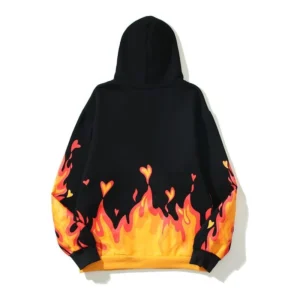
Among all the clothing associated with the label, the Drew House hoodie has arguably become one of its strongest visual symbols. The hoodie represents almost everything the brand stands for: comfort, oversized proportions, playful graphics, and an effortlessly casual attitude.
A good hoodie already has a practical advantage because it works across different seasons and styling situations. Drew House took that familiar wardrobe staple and gave it a distinctive personality. Instead of relying on complex artwork, many designs use straightforward graphics, bold lettering, or the recognisable smiley motif. The simplicity makes the pieces easy to identify while leaving enough room for the wearer to make the outfit their own.
The oversized fit also plays a major role. Rather than treating a hoodie as something that must sit close to the body, Drew House embraced a looser shape that contributes to a relaxed streetwear appearance. This approach fits naturally with the wider movement toward comfortable, oversized fashion that has become increasingly visible in modern casualwear.
Drew House and the Rise of Comfortable Streetwear
One of the most interesting things about Drew House is how naturally its aesthetic fits into the broader evolution of streetwear. Traditional streetwear often developed from skate culture, music, youth movements, and everyday urban clothing. Over time, it became increasingly connected with luxury fashion, celebrity culture, and designer collaborations.
Drew House occupies an interesting position within that landscape. Its clothes can look deliberately relaxed, yet the label developed a strong following and became part of the wider conversation surrounding celebrity-led streetwear. Vogue described the brand as developing from a grassroots concept into a recognised streetwear label, with limited drops and a dedicated following helping to shape its identity.
This is important because Drew House demonstrates that streetwear does not always need to be aggressive or heavily branded. A simple smile can become just as recognisable as a complicated graphic when the identity behind it is consistent.
The Drew House Philosophy: Wear What Feels Right
Perhaps the most memorable aspect of Drew House is its relaxed philosophy. The brand’s early messaging encouraged people to “wear like you don’t care,” a phrase that captured the label’s approach to fashion.
Of course, “not caring” does not literally mean ignoring personal style. In the context of Drew House, it can be understood as freedom from unnecessary fashion pressure. You do not need an elaborate outfit to look interesting. You do not need to dress uncomfortably to appear fashionable. A sweatshirt, hoodie, pair of trousers, and trainers can be enough.
That idea is particularly relevant today because modern consumers increasingly expect clothing to work with real life. People want pieces they can wear while travelling, meeting friends, relaxing at home, going to university, running errands, or simply spending a casual day outside. Drew House’s emphasis on comfort makes its designs naturally suited to those everyday situations.
How to Style Drew House Clothing
Styling Drew House is relatively straightforward because the clothing already has a strong personality. For a classic streetwear outfit, a Drew House hoodie can be paired with loose-fit denim and clean trainers. If you prefer a softer look, neutral trousers can balance a colourful hoodie without competing with the graphic.
For warmer weather, a Drew House T-shirt can become the centre of a relaxed outfit when worn with shorts and simple trainers. Layering is another useful approach. A graphic T-shirt under an open overshirt or lightweight jacket creates more visual depth while keeping the casual character intact.
The key is not to overcomplicate the outfit. Drew House works best when the clothing retains its relaxed proportions. Trying to make every part of the outfit equally bold can take away from the effortless quality that makes the brand distinctive.
Drew House Is More Than a Logo
It would be easy to reduce Drew House to its smiley-face logo, but that misses an important part of the brand’s appeal. Logos are powerful in fashion because they provide instant recognition, yet a lasting clothing identity requires more than a memorable symbol.
Drew House developed a consistent combination of visual and cultural elements: oversized silhouettes, relaxed styling, playful graphics, comfort-focused pieces, limited releases, and a sense of community. The smiley face is simply the element that ties these ideas together.
That is why the brand has remained visually distinctive even when individual collections and colour palettes change. Someone can remove the logo from a piece and still recognise the general Drew House influence through the proportions, attitude, and styling.
The Cultural Impact of Drew House
Drew House also represents the changing relationship between celebrity and fashion. Justin Bieber was already a globally recognised music artist before the label launched, giving the brand immediate visibility. However, celebrity attention alone does not explain why the label became a recognised name in streetwear.
The brand’s success came from combining celebrity influence with a clear aesthetic. Bieber was frequently seen wearing the clothing, while the label developed its own imagery and product identity. It also moved beyond basic clothing releases through collaborations, including a notable partnership involving the Toronto Maple Leafs.
This combination helped Drew House occupy a space between fan culture and fashion culture. People could discover the label through Bieber, but the clothing itself gave them a reason to continue paying attention.
Is Drew House Still Relevant?
Drew Hoodie‘s story has also changed in recent years. In April 2025, Justin Bieber publicly stated that he was no longer affiliated with the brand and said it no longer represented him or his family. The statement marked a significant change from the early years when Bieber was closely associated with the label.
That development is important for anyone researching Drew House today. The brand’s historical connection to Justin Bieber remains central to its story, but current discussions should distinguish between the label’s origins and Bieber’s later relationship with it.
Regardless of that change, the cultural footprint of Drew House is difficult to ignore. The brand helped popularise a particular combination of oversized comfort, cheerful graphics, celebrity streetwear, and deliberately uncomplicated styling. Its smiley logo became one of the most recognisable symbols associated with Bieber’s fashion era.
Final Thoughts on Drew House
Drew House succeeded because it understood something fundamental about modern clothing: people want fashion to feel personal. The label did not build its identity around complicated rules or formal styling. Instead, it created a world where hoodies, sweatshirts, T-shirts, trousers, and slippers could become expressions of personality.
Its smiley-face logo became memorable because it represented more than branding. It reflected the playful, relaxed mood that ran through the clothing itself. From its 2019 launch and early limited releases to its growth into a recognisable streetwear label, Drew House developed a distinctive place in contemporary fashion.
For anyone interested in casual streetwear, Drew House remains an interesting case study in how a simple concept can become a powerful fashion identity. The oversized fits, cheerful graphics, comfortable fabrics, and easy styling continue to explain why people remember the brand. Drew House may have started with a smile, but its influence came from creating clothing that encouraged people to relax, express themselves, and make everyday fashion feel a little more fun.