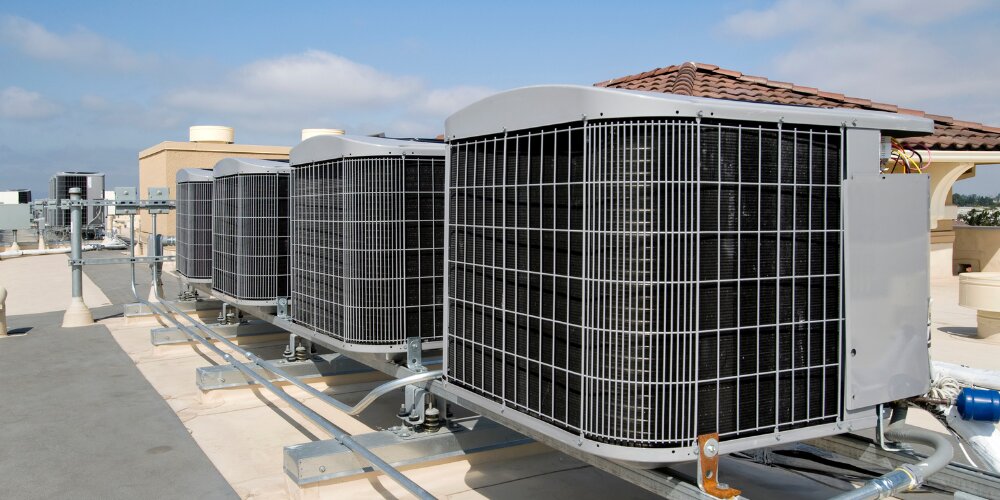
Introduction: Why HVAC Matters More Than Ever
Comfort, air quality, and energy efficiency have become essential priorities for homes, businesses, and public spaces. At the centre of these needs is hvac, a technology designed to control indoor temperature, regulate airflow, and maintain healthy environments throughout the year. Whether it is keeping a home warm during winter, providing cooling during hot summers, or improving indoor air quality, HVAC systems play a critical role in modern living.
As climate conditions change and energy costs continue to rise, understanding how HVAC systems work and how they can be optimized has become increasingly important. From traditional heating and cooling units to advanced smart technologies, HVAC solutions are evolving to provide greater comfort while reducing environmental impact.
What Is HVAC and How Does It Work?
The term HVAC stands for Heating, Ventilation, and Air Conditioning. These three components work together to create a comfortable and controlled indoor environment.
Heating systems are responsible for warming indoor spaces during colder months. Common heating methods include furnaces, heat pumps, boilers, and electric heating systems. These systems distribute heat through air ducts, radiators, or other methods to maintain comfortable temperatures.
Ventilation focuses on exchanging indoor air with fresh outdoor air. Proper ventilation removes pollutants, excess moisture, odors, and airborne particles while bringing cleaner air into a building. This process is especially important because modern buildings are often designed to be highly sealed for energy efficiency.
Air conditioning provides cooling by removing heat and humidity from indoor spaces. Traditional air conditioning systems use refrigerants and compressors to absorb indoor heat and release it outside, creating a cooler and more comfortable environment.
Together, these three elements create a balanced HVAC system that supports comfort, health, and efficiency.
The Importance of HVAC Systems in Everyday Life
Many people only think about HVAC when their heating or cooling system stops working. However, these systems influence daily life in many ways.
Maintaining Indoor Comfort
The primary purpose of HVAC is to maintain a comfortable indoor temperature regardless of outside weather conditions. A reliable HVAC system ensures that homes, offices, schools, and commercial buildings remain pleasant throughout the year.
Without proper heating and cooling, extreme temperatures can create uncomfortable and even unsafe conditions. HVAC technology allows people to maintain stable indoor environments regardless of seasonal changes.
Improving Indoor Air Quality
Indoor air quality has become a major concern, especially as people spend more time inside buildings. Poor ventilation and contaminated air can contribute to allergies, respiratory issues, and general discomfort.
Modern HVAC systems often include air filters, purification technology, and ventilation controls that help remove dust, allergens, bacteria, and other harmful particles. As a result, a well-maintained HVAC system can contribute to a healthier living environment.
Increasing Energy Efficiency
Energy consumption is one of the biggest concerns for homeowners and businesses. Older heating and cooling systems often use excessive energy, leading to higher utility bills and unnecessary environmental impact.
Newer HVAC systems are designed with advanced technology to improve efficiency. Features such as variable-speed motors, smart thermostats, and energy-efficient heat pumps allow users to reduce energy consumption while maintaining comfort.
Different Types of HVAC Systems
Choosing the right HVAC system depends on factors such as building size, climate, budget, and personal preferences. Several types of systems are commonly used today.
Central HVAC Systems
Central HVAC systems are among the most common solutions for residential and commercial buildings. These systems use ductwork to distribute heated or cooled air throughout a property.
They provide consistent temperature control and are suitable for larger spaces. However, proper installation and regular maintenance are necessary to ensure maximum efficiency.
Ductless HVAC Systems
Ductless systems, also known as mini-split systems, provide heating and cooling without requiring traditional ductwork. They are ideal for homes or buildings where installing ducts is difficult or expensive.
These systems allow individual room temperature control, which can improve energy savings by avoiding unnecessary heating or cooling in unused areas.
Heat Pump Systems
Heat pumps are becoming increasingly popular because they provide both heating and cooling capabilities. Instead of generating heat, they transfer heat between indoor and outdoor environments.
During warmer months, heat pumps remove heat from inside a building. During colder months, they extract heat from outside air and bring it indoors. This makes them an efficient option for many climates.
The Role of Smart Technology in HVAC
Technology has transformed the HVAC industry, making systems more intelligent and user-friendly. Smart HVAC solutions allow homeowners and businesses to control temperature settings remotely through mobile devices and automated systems.
Smart thermostats can learn user preferences, adjust temperatures based on occupancy, and provide energy usage information. These features help reduce waste while improving convenience.
Additionally, modern HVAC systems can integrate with smart home platforms, allowing users to manage lighting, security, and climate control from a single system. As technology continues to advance, HVAC systems are expected to become even more efficient and personalized.
The Importance of Regular HVAC Maintenance
Even the most advanced HVAC system requires regular maintenance to operate effectively. Neglecting maintenance can lead to reduced performance, higher energy costs, and unexpected repairs.
Important maintenance tasks include:
- Replacing or cleaning air filters regularly
- Checking refrigerant levels
- Inspecting electrical connections
- Cleaning coils and components
- Ensuring proper airflow through vents and ducts
- Scheduling professional inspections
Routine maintenance extends the lifespan of HVAC equipment and helps prevent costly breakdowns. Furthermore, a well-maintained system operates more efficiently, saving money over time.
How HVAC Systems Support Sustainability
Environmental concerns have encouraged the development of greener HVAC technologies. Traditional heating and cooling methods can consume significant energy, but newer systems focus on reducing emissions and improving efficiency.
Energy-efficient HVAC equipment, renewable energy integration, and environmentally friendly refrigerants are helping create more sustainable buildings. For example, heat pumps powered by renewable electricity can significantly reduce reliance on fossil fuels.
As governments and industries continue focusing on sustainability, HVAC innovation will play an important role in reducing global energy consumption.
Choosing the Right HVAC System for Your Needs
Selecting an HVAC system requires careful consideration. Factors such as building size, insulation quality, climate conditions, and energy goals should all influence the decision.
Professional HVAC specialists can evaluate a property and recommend suitable options based on specific requirements. Proper installation is equally important because even the best equipment can perform poorly if installed incorrectly.
Investing in the right HVAC solution can provide long-term benefits, including improved comfort, lower operating costs, and better indoor air quality.
The Future of HVAC Technology
The future of HVAC is focused on smarter, cleaner, and more efficient solutions. Innovations such as artificial intelligence, advanced sensors, and automated climate systems are expected to transform how buildings manage temperature and air quality.
Future HVAC systems may predict user needs, automatically adjust performance, and optimize energy use without constant human control. Additionally, increased attention toward sustainable construction will continue driving demand for environmentally responsible HVAC solutions.
Conclusion: A More Comfortable and Sustainable Future
HVAC systems are far more than simple heating and cooling equipment. They are essential technologies that influence comfort, health, energy efficiency, and environmental sustainability. As buildings become smarter and energy challenges continue to grow, the importance of advanced HVAC solutions will only increase.
Understanding how HVAC works, maintaining existing systems, and investing in efficient technologies can help individuals and businesses create healthier and more sustainable spaces. The future of indoor comfort depends on continued innovation, responsible energy use, and a commitment to developing HVAC systems that benefit both people and the planet.