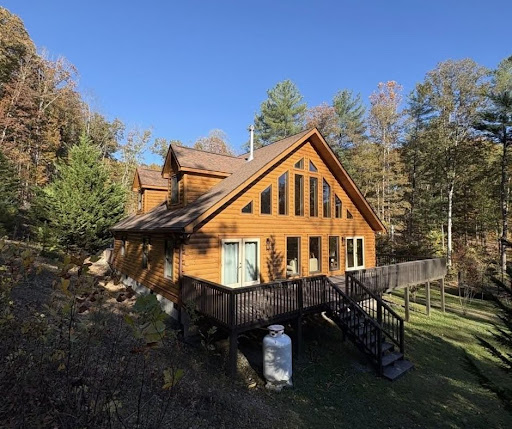
Log homes look tough. Solid. Like they can handle anything you throw at them. Truth is, they can—but only if someone’s paying attention. I’ve seen beautiful cabins fall apart just because small issues got ignored for too long. When it comes to log home repair and restoration, it’s not about quick fixes or slapping on stain and calling it a day. It’s slower than that. Messier. Sometimes frustrating. But if you do it right, the results stick around for years, not just a season or two.
Start With a Real Inspection (Not a Lazy One)
First thing—actually look at the house. Not just from the driveway. Walk around it. Get close. Touch the logs. Check corners, window edges, and anywhere water might sit. Most problems hide in plain sight. Rot, insect damage, checking cracks… it’s all there if you slow down. People skip this step or rush it, and yeah, that’s where things go sideways. A proper inspection tells you what you’re dealing with. Without that, you’re guessing. And guessing costs money.
Fix the Root Problem, Not Just the Surface
This is where a lot of folks mess up. They see peeling stain or soft wood and think, “I’ll just cover it.” No. That’s like painting over rust. If moisture is getting in, you need to figure out why. Bad gutters? Poor drainage? Sun damage on one side? Fix that first. Otherwise, you’re doing the same repair again next year. Real restoration isn’t cosmetic—it’s structural thinking. Not always pretty, but it works.
Clean the Logs Properly Before Doing Anything Else
You can’t restore what you haven’t cleaned. Dirt, mildew, old finishes—they all block new products from doing their job. Use the right cleaners, not random household stuff. And go easy with pressure washing… I’ve seen people carve lines into logs without realizing it. Slow and steady is better here. Let the wood breathe again before moving forward. It makes everything else—staining, sealing—actually last.
Choose the Right Stain (Not Just the Prettiest One)
This part gets emotional for some reason. People pick stain like they’re choosing paint for a living room. But log stains aren’t just about color. They protect against UV, moisture, and wear. Go for quality. Always. A cheap stain might look good for six months, then fade, crack, or peel. And then you’re back at square one. Oil-based or water-based, sure—there’s debate—but the key is durability and compatibility with your logs.
Seal the Gaps Before They Become Big Problems
Those little gaps between logs? They matter more than you think. Air leaks, water seeps in, bugs find their way—everything starts there. Use proper chinking or caulking designed for log homes. Not generic stuff from a hardware shelf. And don’t rush the application. A sloppy seal won’t last through a full season. Do it clean. Take your time. It pays off later, trust me.
Deal With Moisture Like It’s the Main Enemy
Because it is. Sun can damage logs, sure, but water does the real harm. Overhangs help. Gutters matter. Ground slope matters more than people think. If water sits near your logs, it’s already a problem. Keep things dry. Or as dry as possible. That alone can extend the life of your restoration by years. Simple, but often ignored.
Don’t Ignore Small Cracks (They Grow, Fast)
Checking is natural in logs. But when cracks get too wide or deep, they start holding moisture. That’s when decay kicks in. Fill them early. Use proper wood fillers or sealants that move with the wood. Logs expand and contract—it’s part of their nature. Your repair materials need to handle that. Otherwise, they fail. And yeah, you’ll be fixing it again.
Maintenance Isn’t Optional (It’s the Whole Game)
Here’s the part nobody loves to hear: restoration isn’t a one-time job. It’s ongoing. Real log house maintenance means checking your home every year. Cleaning when needed. Reapplying stain before it fully breaks down. It’s not glamorous work. But it keeps you from doing a full restoration again too soon. Skip maintenance, and everything you did before starts to fade, literally.
Work With the Right People (If You’re Not Doing It Yourself)
Not every contractor understands log homes. It’s a different skill set. Ask questions. Look at past work. If someone treats your log home like a regular house, that’s a red flag. You want someone who knows how wood behaves over time. Someone who doesn’t rush the job just to move on to the next one. Good work takes time. No way around it.
Conclusion
At the end of the day, long-lasting results don’t come from shortcuts. They come from doing the boring stuff right. Inspecting, cleaning, sealing, maintaining—all of it. Log home repair and restoration isn’t complicated in theory, but it demands patience. And consistency. You stay on top of it, your home stays strong. You ignore it, things fall apart quicker than you expect. Simple as that.