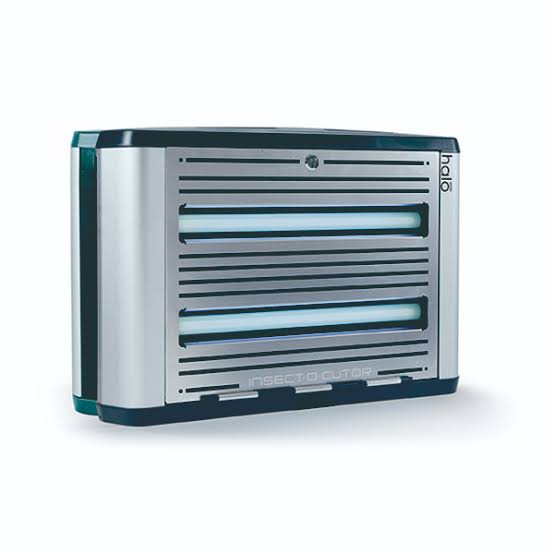
Halo Insect O Cutor traps flies and mosquitoes using UV light and a sticky board, no spray, no mess, and it just runs quietly in the background while you live your life.
Why Bugs Keep Showing Up No Matter What You Spray
Okay so here’s the thing nobody tells you about bug spray. You use it, you feel good for like an hour, and then boom, there’s another fly on your sandwich the next day. I’ve been there. You start to wonder if the spray is even doing anything at all or if you’re just inhaling chemicals for nothing.
Truth is, spraying kills what’s in front of you right now. It does nothing about what’s coming in through that tiny gap in your screen door tomorrow morning. Flies and gnats breed fast, way faster than people think, so you’re basically fighting a losing battle one can at a time. Not fun, and honestly kind of expensive too if you add it up over a summer.
So What Does a Halo Insect O Cutor Even Do
This is where things get different. Instead of you chasing a fly around the kitchen with a rolled up magazine (we’ve all done it), the Halo Insect O Cutor just sits there and pulls bugs toward it using UV light. Flies love UV light, it’s basically irresistible to them. Once they get close, they either land on a sticky glue card or hit an electric grid, depending which model you’ve got.
No standing on chairs. No swatting. No smell lingering in your kitchen for the rest of the day. You just plug it in near wherever the bugs keep showing up and let it do its thing while you watch TV or whatever. It’s kind of set-it-and-forget-it, which honestly is all I want from a pest control product at this point.

The UV Light Part, Explained Simply
Bugs don’t see light the way we do, that’s basically the whole trick here. Flies in particular are drawn to certain UV wavelengths like it’s the best thing in the world. Insect traps have used this for decades actually, commercial kitchens and warehouses have had these giant ugly units hanging from ceilings forever.
What’s changed lately is the size. These things used to look like something out of an industrial supply catalog, now they’re small enough to just sit on a counter or mount near a doorway without looking weird. Same science, just way less obnoxious to have in your house.
It’s Not Just a Kitchen Thing
Most people grab one of these for the kitchen first, it makes sense, that’s where food smells live and fruit flies show up out of nowhere. But don’t stop there. Garages, basements, back porches, anywhere bugs tend to congregate, this thing works just as well.
Different spots bring different bugs too, which I didn’t really think about until I had one running in a few rooms. The kitchen gets fruit flies mostly. Basement, more of a gnat and moth situation. Patio at dusk, that’s mosquito territory for sure. The nice part is you don’t need five different products, one unit handles whatever’s flying around.
No Chemicals Floating Around Your House
If you’ve got kids or a dog that eats literally everything off the floor, you probably already think twice before spraying stuff around. I know I do. Even when the can says “safe once dry,” there’s still something in the back of your mind that doesn’t love the idea of chemical residue sitting on your counters where you prep food.
The trap skips all that. It’s purely mechanical, light draws the bug in, bug gets stuck, done. Nothing airborne, nothing you’re breathing in by accident. It’s about as low risk as pest control gets and once you actually think about it that way it’s hard to go back to spraying.
And Yeah, It’s Actually Quiet
Old school bug zappers made that annoying sound every single time something flew in, remember those? Drove me nuts at night especially. A lot of the newer Halo Insect O Cutor designs use glue boards instead of the electric zap specifically to cut that noise out.
Doesn’t sound like a big deal until you’ve got one running in your bedroom or living room and realize how much that constant zapping noise would’ve bugged you (no pun intended, kind of). Quiet operation matters more than it gets credit for in most reviews honestly.
Maintenance Is Basically Nothing
Regular pest control means spraying every few weeks, or paying someone to come out, or remembering to restock chemicals. With this, you’re mostly just swapping the glue card every so often. Takes like thirty seconds. Wipe the unit down occasionally and that’s really the extent of it.
Compare that to the old fly strips your grandma probably had hanging in the kitchen, or buying spray cans every month, or scheduling an exterminator visit. The low effort here is honestly the biggest win for people who try it and stick with it long term.
Running Costs, Because People Always Ask
People assume something running all day every day is gonna jack up their electric bill. It won’t, not really. The bulbs are low wattage, kind of like a nightlight, so you’re talking a few bucks a year to keep it running nonstop.
Add that up against what most households spend on spray cans, mosquito coils, fly strips, maybe an exterminator call here and there, and the math leans hard in favor of just buying one unit and letting it run. Pays for itself within a season or two most of the time.
Where You Put It Actually Matters
This part trips people up. Flying bugs are drawn to light, sure, but they’re also drawn to whatever OTHER light is in the room, so if you stick your unit right across from a sunny window or a bright lamp, you’re basically competing with yourself. Dimmer spots near doors or entry points work way better.
Height matters too which I didn’t expect. Most bugs fly around waist to chest level for us, roughly, so mounting the thing way up high or down near the floor means it’s just missing most of the traffic. Took me moving mine like three times before I figured that out.

Who This Actually Helps Most
If you’re near woods, near water, or live somewhere warm most of the year, you’re gonna notice the difference fast. Restaurants and home kitchens doing a lot of food prep benefit a ton too since fruit flies basically live for that environment.
But even in a totally normal suburban house with no obvious bug problem, running one of these in the kitchen or by the back door just takes the edge off summer. It’s not fixing some massive infestation, it’s more about keeping the day to day annoyance down to almost nothing, which honestly is all most people actually want.
Conclusion
Look, dealing with flying bugs doesn’t have to mean a constant cycle of spraying and swatting and just… putting up with it. A Halo Insect O Cutor gives you a quiet way to cut down on flies, gnats, mosquitoes, all of it, without chemicals and without much effort on your end. Whether you run an Insect O Cutor in your kitchen, your garage, or out on the porch, the idea’s the same, light pulls the bug in, bug gets caught, you move on with your evening. It won’t solve every single pest problem under the sun, but for the regular annoying stuff most homes deal with every summer, it works, and it works without turning your life into a chore.
FAQs
Does a Halo Insect O Cutor actually catch mosquitoes or just flies?
Catches both really, mosquitoes are drawn to UV light same as flies are, though where you put it near doors and windows makes a noticeable difference.
Is it safe with kids and pets around?
Pretty much yeah, no spray involved so the main thing is just keeping it out of reach so a curious toddler or dog doesn’t mess with the glue card or cord.
How often do I need to swap the glue board?
Every few weeks usually, depending on how many bugs you’re catching, honestly, some rooms fill up faster than others.
Will one Insect O Cutor handle a full blown infestation?
It helps a lot but for something severe you’d want to pair it with cleaning up whatever’s attracting bugs in the first place, standing water, exposed food, that kind of thing.
Can I put one outside on a porch or patio?
Yep, as long as it’s rated for outdoor use, works great on a porch especially around dusk when mosquitoes start showing up.