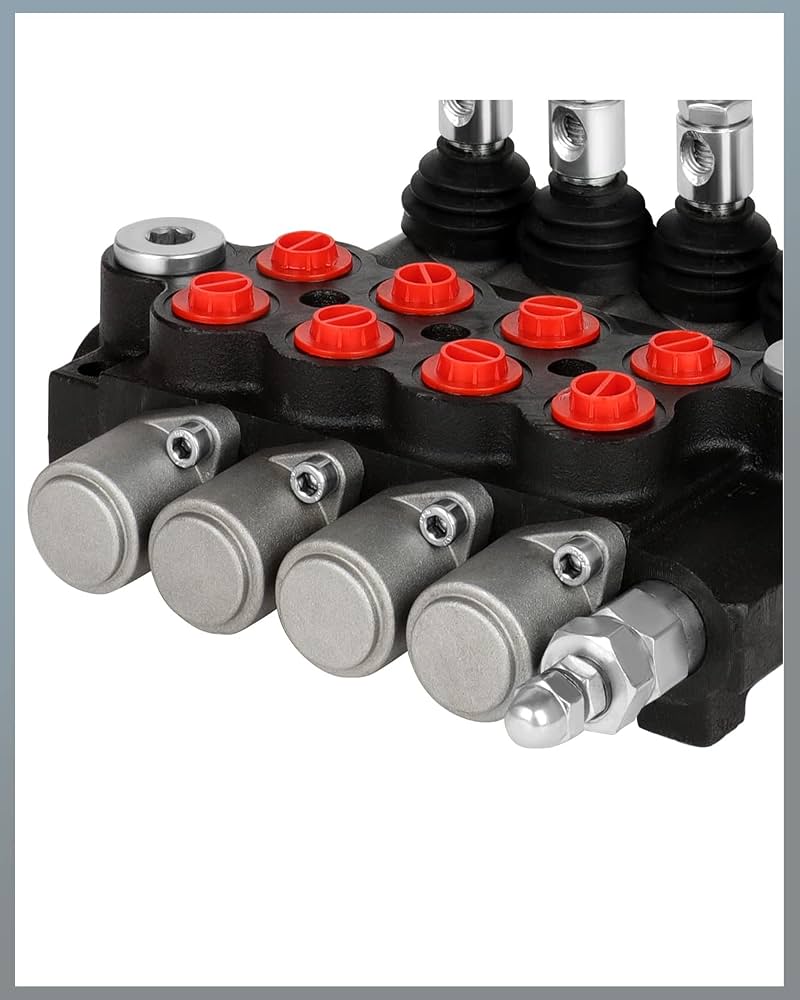
Hydraulic systems are used in machinery that requires controlled force, movement, and fluid power. While standard hydraulic valves can meet many common requirements, specialized equipment may involve unusual pressure ranges, restricted installation spaces, unique connections, or specific control characteristics.
A customized hydraulic control valve can address these challenges by adapting the valve’s specifications to the application. Instead of changing the entire hydraulic system to accommodate an off-the-shelf component, engineers can define the valve around the requirements of the existing equipment.
Dealing With Unusual Pressure Requirements
Hydraulic equipment does not always operate within common pressure ranges. Some applications require valves that can handle particularly high working pressures, while others need precise regulation at comparatively lower pressures.
A custom design can take normal operating pressure, maximum pressure, pressure fluctuations, and safety requirements into account. This helps ensure that the valve is designed for the actual hydraulic conditions rather than a generic specification.
Managing Complex Flow Requirements
Flow requirements can vary significantly between hydraulic applications. Some systems need high flow capacity, while others prioritize accurate control at low flow rates.
Valve geometry and internal flow paths can influence pressure drop and control behavior. Designing these characteristics around the application can help engineers achieve the desired balance between flow capacity, efficiency, and responsiveness.
Working Within Limited Installation Space
Space restrictions are common in compact machinery and equipment upgrades. A standard valve may provide the required hydraulic performance but have dimensions or port positions that make installation impractical.
Customization can account for available mounting space, port orientation, connection locations, and access requirements. This can make it easier to integrate the valve without extensive changes to the machine.
Matching Non-Standard Connections
Existing hydraulic equipment may use connection arrangements that differ from commonly available valve configurations. Replacing such a component with a standard product can require additional adapters, hoses, or modifications.
A valve designed around the existing connection requirements can simplify integration. Port size, thread type, orientation, and mounting arrangement should all be defined before production.
Supporting Specialized Control Requirements
Some machinery requires more than simple hydraulic on-and-off control. Applications may need specific switching sequences, controlled actuator movement, proportional response, or specialized pressure regulation.
The valve configuration can be developed around the required control method and operating sequence. This allows the hydraulic component to better match the machine’s functional requirements.
Handling Variable Operating Conditions
Many machines experience changing pressure, flow, load, and temperature during normal operation. A valve designed only around one operating point may not provide consistent performance across the full range.
Engineers should define the complete operating envelope, including minimum and maximum conditions. This information can guide valve sizing and internal design decisions.
Addressing Challenging Environmental Conditions
Hydraulic equipment may operate in environments exposed to dust, moisture, vibration, chemicals, or temperature extremes. These factors can influence material selection and sealing requirements.
Customization allows environmental conditions to be considered during the design stage. The valve can then be evaluated according to the actual surroundings in which it will operate.
Selecting Suitable Materials and Seals
Different hydraulic fluids and operating environments may require different materials. Valve bodies, internal components, and seals must be compatible with the pressure, fluid, temperature, and expected service conditions.
Choosing suitable materials can help reduce problems such as corrosion, wear, swelling, leakage, or premature component deterioration.
Integrating With Existing Automation Systems
Modern hydraulic equipment may combine valves with sensors, electronic controllers, and automated feedback systems. A valve that cannot communicate or operate correctly within the existing control architecture may limit the performance of the machine.
Electrical interfaces, actuation methods, response characteristics, and control signals should therefore be considered during the specification process.
Improving Replacement Compatibility
Equipment that has been operating for many years may contain hydraulic components that are no longer readily available. A replacement valve may need to match existing dimensions and connections while maintaining similar hydraulic behavior.
In these situations, a custom design can provide an alternative to redesigning the surrounding system. Accurate measurements and information about the original component are important for this approach.
Supporting Performance Optimization
Customization can also be used when an existing valve technically works but does not provide the desired level of performance. Engineers may need to address pressure loss, response time, flow stability, or actuator control.
Rather than changing multiple components, they can identify the specific valve characteristics affecting system performance and develop requirements around those factors.
Balancing Customization With Practicality
Customization is not automatically the best choice for every hydraulic application. If a standard valve meets all essential requirements, using an established configuration may be simpler and more economical.
The purpose of customization should be to solve a defined engineering problem. Clear requirements help prevent unnecessary modifications that add complexity without providing a measurable benefit.
Testing the Customized Design
A specialized valve should be tested against its intended operating requirements before full deployment. Testing can cover pressure resistance, flow capacity, leakage, response, temperature performance, and other relevant characteristics.
Where possible, testing should reflect actual machine conditions. This provides a more useful indication of how the valve will perform after integration.
Information Engineers Should Provide
A detailed technical specification can make the customization process more effective. Useful information includes:
- Hydraulic circuit diagrams
- Normal and maximum pressure
- Continuous and peak flow
- Hydraulic fluid type
- Operating temperature
- Valve function
- Control method
- Connection specifications
- Installation dimensions
- Environmental conditions
- Duty cycle
- Required performance targets
The more accurately these requirements are defined, the easier it is to develop a valve that addresses the actual engineering challenge.
Final Considerations
Unique hydraulic engineering problems often result from the combination of several requirements rather than one unusual specification. Pressure, flow, space, connections, environmental conditions, control methods, and existing equipment can all influence valve selection.
A customized approach can provide flexibility when standard products cannot meet those requirements without major system changes. By clearly defining the engineering problem, selecting appropriate specifications, and validating the final design, engineers can develop hydraulic valve solutions that integrate effectively with specialized equipment.