Picture a Tuesday. Forty parcels need to leave before the courier shows up, your tape gun is empty, and an email lands from a customer asking whether the bottle they got is still well within its expiry date. You open the spreadsheet. You stare at it. You honestly can’t say.
That’s the day a lot of sellers type order fulfillment Vancouver into Google. I did something similar years ago with a different kind of product, and I remember the feeling, half relief, half dread about handing over my stock to strangers. Health and medical products make that dread a bit more reasonable. They come with rules that t-shirts and candles never have to think about. I’m no lawyer or regulatory adviser, so check licensing questions with Health Canada and someone qualified. What follows is just how I’d think it through.

What the Warehouse Does All Day
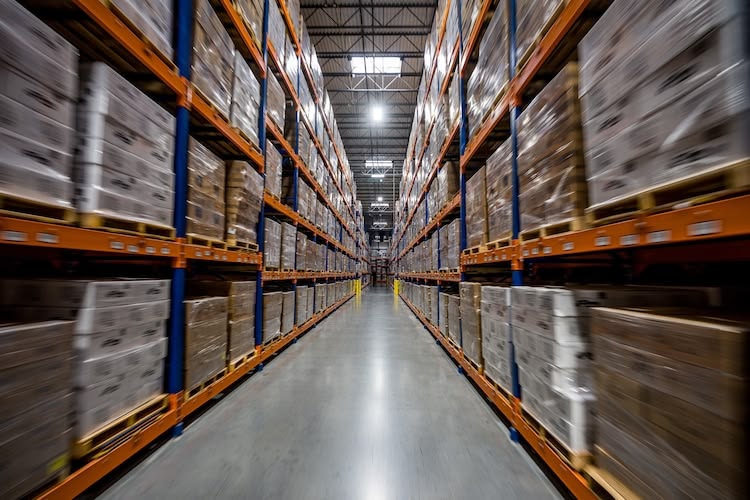
Your boxes arrive. Someone checks them against the shipping notice you sent, counts what’s inside, writes down anything crushed or missing, then shelves it in a specific spot that gets logged. Later an order comes in from your site. A picker gets it on a handheld scanner, walks over, scans the shelf, scans the product, scans the box. A packer seals it up, a label prints, the courier collects. Repeat a few hundred times.
Receive, store, pick, pack, ship. That’s the whole thing, really. Where providers differ is how carefully each little step gets done, and with medical products carelessness isn’t only annoying, sometimes it’s unsafe. So find out how they check an order before it’s sealed. Find out their accuracy rate. Ask what time the daily cutoff is for same day shipping, because it varies and it matters. If they answer quickly and clearly, good. If they wander off into buzzwords, that tells you something.
Why Being on the West Coast Helps
Vancouver has a few things going for it that people underrate. The port is huge. There’s rail, trucking, an airport that moves a surprising amount of freight, and Washington state is right there. If your customers are in BC, Alberta or the Pacific Northwest, parcels usually show up a day sooner than they would from a warehouse out in Ontario, sometimes two days. Faster delivery means fewer “where’s my order” emails, which, trust me, you’ll be glad to stop reading.
Postage can drop a little too, because fewer postal zones often means a cheaper rate. If you bring in ingredients or finished goods from Asia, being near the port makes that easier. US sales are another matter. Customs forms, duties, sometimes extra scrutiny on health goods. So who fills out the paperwork? What happens if a parcel gets stuck at the border for a week? People who’ve done it a hundred times answer in one breath. Newer teams say they’ll check and get back to you.
Batch Numbers, Expiry Dates and Recalls
This part is where health products stop behaving like regular stock.
Every unit has a lot number and an expiry date, and your provider needs to track both. A decent system records them when the stock arrives and then sends out whatever expires soonest first. There’s a name for it, first expired, first out. Some warehouses only follow first in, first out and never look at dates, and I’d steer clear of those, because one expired bottle in a customer’s hands is a mess you really don’t want.
Recalls are the other thing that should worry you a little. If a batch has a problem, you have to know exactly who got which lot, and fast, like same day fast. That only works with proper tracking from the dock to the doorstep, not a spreadsheet somebody updates when they remember. Try asking how they’d handle a recall tomorrow morning. A good answer is specific and calm. A bad answer is basically improvising out loud. And storage, too. Some products want steady temperatures, nowhere near heat or damp or a sunny window. How do they monitor that, and what happens if it drifts?
Licences, and Why I Won’t Guess
I’ll be honest, this is where a blog post stops being the right source. Canadian rules depend on what you sell and what role you play in getting it to people. Natural health products generally need product licences, and businesses that import, package, label or store them in certain ways may need a site licence on top of that. Medical devices can mean an establishment licence for importers and distributors, depending on the class of device. Drugs have their own system. Cosmetics, sanitizers and test kits slot into different buckets again, and the lines between them aren’t always obvious.
So I can’t tell you which rules apply to you. A regulatory consultant or Health Canada can. What I can say is that a provider handling regulated goods ought to understand all this, hold the licences that match what they actually do, and show proof when you ask. Ask what they’re approved to handle and what they refuse to touch. A confident team just tells you. If they bristle at the question, that’s your answer, and it isn’t a flattering one.
Where a Specialist Fits In
Now for the option people forget exists. A healthcare 3pl is a third-party logistics provider built around products where quality and traceability matter more than usual. Supplements, medical supplies, devices, personal care, the stuff you’d find near a pharmacy counter.
What you tend to get is a stricter environment. Lot and expiry tracking built right into the system. Written procedures, trained staff, records someone can audit later. Restricted areas, sometimes temperature controlled storage or cold chain. Quarantine zones for anything damaged or questionable. Privacy handling too, since an order for a health product can reveal something personal about the buyer, and Canadian privacy rules apply to that. You’ll pay more per unit than at a general warehouse, no way around it. Is it worth it? Depends on what’s in your boxes. If your products are regulated or sensitive, the extra cost often buys protection you’d otherwise have to build yourself, and building it yourself is slow and expensive.
What It Costs and How to Check Someone Out
Pricing comes in layers. There’s usually a setup fee, receiving charges, monthly storage per pallet or bin, a pick fee for each item, packaging materials, and postage on top. Special handling, like lot tracking or temperature control, adds more. None of it looks scary alone. Stacked together it can, so ask for a sample invoice built from about a hundred of your typical orders. One page, real numbers, way more useful than a glossy rate card. And ask about long term storage fees, since stock that sits for months sometimes triggers charges nobody mentioned on the call.
Onboarding matters too. How long does connecting your store take, whether that’s Shopify, WooCommerce, Amazon or something else? Who’s your person during setup? If you can visit, do. Tidy floor, labelled shelves, calm staff, you can feel the difference within five minutes. Check which carriers they use, since good rates through Canada Post, UPS, FedEx, Purolator or regional couriers add up over a year. Then the awkward questions. What if something arrives damaged? What if it expires on the shelf? Who pays for a lost parcel? How long is the contract, and how do you get out of it?
Busy Seasons, Returns and the Weekend Everything Explodes
Health products ride the calendar. Vitamins climb in cold and flu months. Gift sets spike in December. Test kits and supplies can jump overnight when the news turns scary. A decent partner plans ahead, hires temporary people, asks for your forecast. Give them honest numbers, even rough ones. Lowball it and you’ll be apologizing to customers in a few months.
Returns deserve a minute of thought. Plenty of health items can’t be resold once opened or unsealed, so ask how returns get inspected and where they end up. And think about the good problem, too. A product goes viral, or a clinician recommends you on a podcast, and orders triple in a weekend. It happens more often than you’d guess. Ask straight out whether they could handle five times your current volume, and notice how fast they answer. Packaging counts as well, tamper-evident seals, padding, clear labels. Tell them everything you sell, the fragile, bulky or temperature-sensitive stuff included, so nobody gets a surprise later.
Conclusion
Choosing order fulfillment Vancouver sellers can rely on is a big decision, and medical or health products add extra homework. Work out what your products actually require. Ask about licences, lot tracking and recalls. Compare providers on accuracy, communication, technology and the full cost, not just the headline price. If your goods are regulated or sensitive, a specialist healthcare 3pl may be worth the added expense. Get numbers in writing, tour the building if you can, and run the licensing details past Health Canada or a regulatory adviser. More effort than picking a general warehouse, sure. But it protects your customers, your name and, honestly, your sleep.