ISO 13485 Malaysia: Strengthen Medical Device Quality and Regulatory Compliance
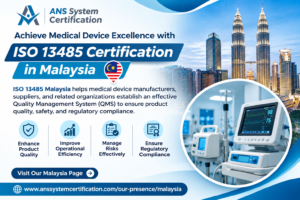
The medical device industry in Malaysia is growing steadily, creating greater demand for quality, safety, and regulatory compliance. Medical device manufacturers, suppliers, distributors, and service providers must follow internationally recognised quality management practices to maintain product reliability and customer confidence. ISO 13485 Malaysia certification helps organisations establish an effective Quality Management System (QMS) specifically designed for the medical device industry.
Understanding ISO 13485 Certification
ISO 13485 is an internationally recognised standard that specifies requirements for a Quality Management System for organisations involved in the medical device lifecycle. It focuses on product safety, risk management, regulatory compliance, process control, and continuous improvement.
Businesses involved in medical device design, development, manufacturing, storage, distribution, installation, and servicing can benefit from implementing this standard. It helps organisations maintain consistent product quality while meeting applicable regulatory requirements.
Why Is ISO 13485 Malaysia Important?
Achieving ISO 13485 Malaysia certification demonstrates an organisation’s commitment to producing safe and reliable medical devices. It provides several important business advantages, including:
- Improved Product Quality: Establishes systematic processes to maintain consistent product quality and performance.
- Regulatory Compliance: Supports organisations in addressing applicable medical device regulatory requirements.
- Customer Confidence: Builds trust among healthcare providers, customers, suppliers, and business partners.
- Risk Management: Helps identify, assess, and control risks associated with medical device production and related processes.
- International Market Opportunities: Strengthens credibility when approaching international customers and business partners.
- Operational Efficiency: Improves documentation, process control, and overall organisational performance.
ISO 13485 Certification Process in Malaysia
Organisations planning to obtain ISO 13485 certification should follow a structured implementation and certification process.
1. Initial Assessment: Evaluate existing business processes and identify gaps against ISO 13485 requirements.
2. QMS Documentation: Develop quality policies, procedures, work instructions, and records relevant to the organisation’s activities.
3. Implementation: Apply the documented quality management processes across the organisation.
4. Employee Training: Educate employees about their responsibilities, quality procedures, and the importance of medical device safety.
5. Internal Audit: Conduct internal audits to identify nonconformities and areas requiring improvement.
6. Management Review: Review the effectiveness of the Quality Management System and take corrective actions where necessary.
7. Certification Audit: An independent certification body evaluates the organisation’s QMS against applicable ISO 13485 requirements. Certification is granted when the organisation successfully meets the audit requirements.
Why Choose ANS System Certification?
Choosing a reliable certification partner is an important step towards achieving ISO certification. ANS System Certification provides certification-related support to organisations seeking to demonstrate their commitment to international quality standards.
Businesses looking for ISO 13485 Malaysia certification can explore the services and country-specific information available through ANS System Certification.
Conclusion
ISO 13485 certification plays an important role in strengthening quality management and product safety within Malaysia’s medical device industry. By implementing an effective Quality Management System, organisations can improve operational consistency, manage risks, meet applicable regulatory requirements, and build customer confidence. Achieving ISO 13485 Malaysia certification can be a valuable step towards sustainable business growth and greater opportunities in the global medical device market.