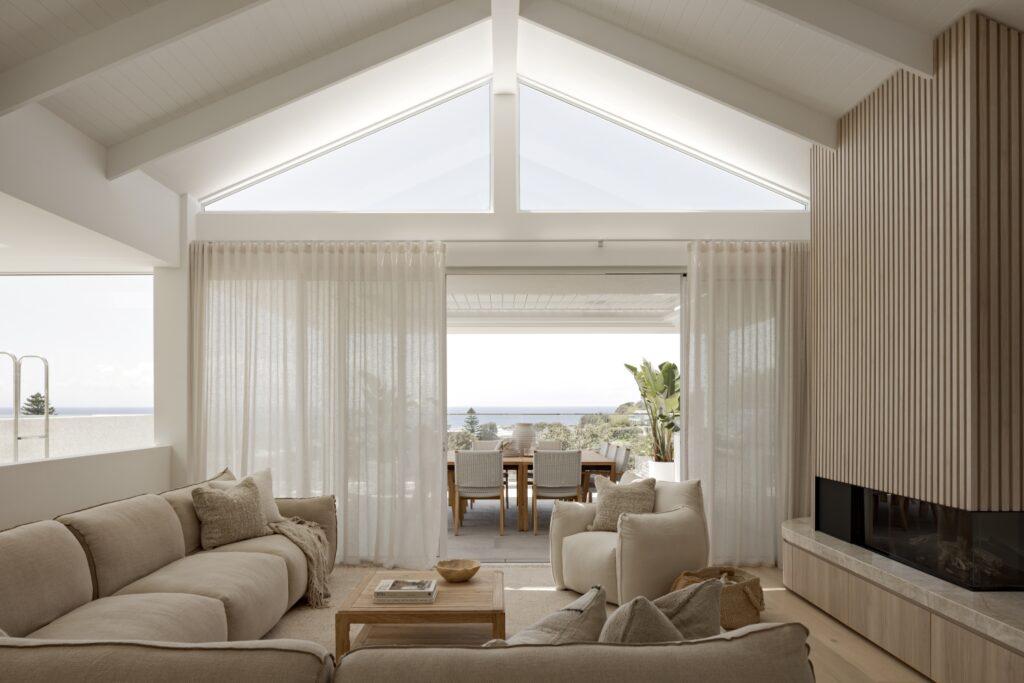
Few questions matter more to homeowners planning a high-end renovation than how long they will be living around it. A kitchen with custom cabinetry and imported stone runs on a very different schedule from a standard update. Choosing the Best Luxury Remodeling Company helps, but understanding the timeline yourself matters just as much. This guide walks through each phase, typical durations by project type, and the most common causes of delay.
The Short Answer: Typical Luxury Remodel Timelines
Most luxury projects take longer than homeowners expect, mainly because the work before construction is so extensive. A high-end kitchen or primary bathroom commonly takes several months from first design meeting to final walkthrough. A whole-home renovation or addition can stretch beyond a year.
Two clocks run during any project. The first is the planning clock: design, engineering, permits, and ordering materials. The second is the construction clock: the time crews are actually working in your home. Contractors often quote only the second one, so ask for both numbers.
The ranges in this article are general planning estimates. Your actual schedule depends on your location, the size of the home, the complexity of the design, and how quickly decisions are made.
Why Luxury Remodeling Takes Longer Than a Standard Update
Custom and Imported Materials Have Long Lead Times
Standard remodels often use products that ship within days or weeks. Luxury remodeling usually involves made-to-order cabinetry, natural stone slabs, specialty tile, custom millwork, or fixtures shipped from overseas. Some of these items take many weeks or even months to arrive, and a single late item can hold up an entire trade.
Detailed Craftsmanship Needs More Time On Site
Premium finishes leave little room for error. Book-matched stone, intricate trim profiles, hidden lighting, and custom metalwork all take skilled hands and careful installation. Rushing these tasks usually leads to visible flaws that are expensive to redo.
More Decisions Mean More Approvals
High-end projects involve many selections, and each one often requires samples, mockups, or revisions. Designers, architects, and sometimes engineers need to coordinate. The more people and products involved, the more time the review process takes.
The Phases of a Luxury Remodel, Step by Step
Design and Planning
This is often the longest phase for a luxury project, and it frequently takes several weeks to a few months. You will meet with designers or architects, define your goals, review layouts, and finalize a scope of work. Detailed drawings and a clear specification list at this stage prevent costly changes later.
Take your time here. Every hour spent resolving a layout question on paper saves much more time than fixing it after walls are open.
Permits and Approvals
Any project that changes structure, plumbing, electrical systems, or the building footprint typically needs a permit. Review times vary widely between cities and counties, from days to several months in busy jurisdictions. Homes in historic districts or neighborhoods with a homeowners association may need extra design approval before work can begin.
An experienced contractor will know the local process and submit complete applications. Incomplete submissions are one of the most avoidable causes of delay.
Ordering and Procurement
After the design is final, the team orders long-lead items. Cabinets, windows, appliances, specialty stone, and custom doors are the usual culprits. Ordering early, ideally before demolition starts, keeps construction from stalling while you wait for deliveries.
Many luxury teams also confirm that materials are on hand or scheduled before they open up your home. This prevents the common situation where a kitchen sits unusable for weeks while a countertop slab is still in production.
Demolition and Structural Work
Demolition itself is quick, often a few days to a couple of weeks depending on scope. What follows can take longer. If walls are removed, beams may need to be installed, floors reinforced, or foundations repaired.
This is also when hidden problems appear. Old wiring, water damage, outdated plumbing, or termite damage can emerge once surfaces are exposed. Homes that are decades old are more likely to reveal surprises.
Mechanical Rough-In and Inspections
Electricians, plumbers, and HVAC technicians install the systems that will sit behind your finished walls. Then inspectors review the work. A failed or delayed inspection can pause progress until the issue is corrected and rechecked, so scheduling flexibility matters.
Luxury homes often add systems that standard homes do not, such as smart-home wiring, radiant floor heating, whole-home audio, or upgraded ventilation. Each extra system adds coordination time.
Finishes and Installation
Once the rough-in passes, the home starts to look like the design. Insulation, drywall, painting, flooring, cabinetry, countertops, tile, and fixtures go in, usually in a careful order. Because trades depend on one another, a delay in one area can ripple through the others.
For example, countertops are often measured only after cabinets are fully installed, and fabrication can then take a week or two. Backsplash tile, plumbing hookups, and final painting wait on that step.
Punch List and Final Walkthrough
The last phase is small in scope but important. You and your contractor walk through the space, noting touch-ups, adjustments, and missing items. Fixing these usually takes a few days to a few weeks. Final inspections and a certificate of occupancy, when required for larger projects, happen here too.
Typical Timelines by Project Type
The table below gives general planning ranges. Planning time covers design, permits, and ordering. Construction time covers work in your home. Treat these as starting points, not promises.
| Project Type | Typical Planning Time | Typical Construction Time | Main Factors That Affect the Schedule |
|---|---|---|---|
| Primary bathroom | 1–3 months | 6–12 weeks | Custom tile, stone slabs, steam or radiant systems |
| High-end kitchen | 2–4 months | 3–5 months | Cabinet lead times, appliance delivery, layout changes |
| Basement finishing | 1–3 months | 2–4 months | Moisture control, ceiling height, egress requirements |
| Home addition | 3–6 months | 5–9 months | Foundation work, structural engineering, permits |
| Whole-home renovation | 4–8 months | 8–14 months | Scope size, phasing, hidden conditions, material availability |
| Outdoor living space | 2–4 months | 2–5 months | Weather, grading, utilities, specialty hardscape |
Notice how planning time is a large share of the total in every row. Homeowners who begin the design process early generally have more control over their final move-in date.
What Commonly Causes Delays
No project runs perfectly, but most delays fall into a handful of categories.
- Change orders: Altering selections or layouts after work has begun often requires redrawing plans, reordering materials, and resequencing trades.
- Material backorders: Imported or custom items can arrive late, especially during periods of high demand.
- Permit and inspection issues: Slow reviews or failed inspections can pause work.
- Hidden conditions: Problems behind walls and under floors need to be fixed before work continues.
- Weather: Exterior work, roofing, and foundation projects depend on suitable conditions.
- Trade scheduling: Skilled specialists are often booked weeks ahead, so a missed window may mean waiting for the next opening.
Some of these are outside anyone’s control. Others, such as change orders and incomplete selections, are largely within the homeowner’s hands.
How to Keep Your Project on Schedule
Finalize Selections Before Construction Starts
The most effective way to protect your timeline is to make major decisions before demolition. Choose cabinetry, countertops, tile, plumbing fixtures, appliances, and lighting while the project is still on paper. Appliance specifications in particular affect cabinet dimensions and electrical or plumbing requirements, so changing them later can trigger rework.
Ask for a Detailed Written Schedule
A useful schedule lists each phase, expected start and end dates, and the dates when key materials should arrive. It should also explain what happens if something slips. Vague timelines like “about four months” are hard to hold anyone to.
Ask how often you will receive updates. Weekly check-ins are common on larger projects and help catch small problems before they grow.
Build In a Realistic Buffer
Add extra time to your personal deadlines, especially if a holiday, event, or move-in date matters. Many homeowners plan for a cushion of several weeks. This reduces stress when an inspection is rescheduled or a delivery arrives late.
Hire a Team With Relevant High-End Experience
Contractors who regularly handle premium projects usually have established relationships with fabricators, suppliers, and skilled tradespeople. They also tend to know how local permitting offices work. When comparing firms, ask for examples of similar projects and how long each one took from contract signing to completion. Speak with past clients if possible.
Planning Daily Life During a Long Remodel
A project that lasts many months affects your daily routine. If your kitchen is being replaced, you may need a temporary cooking setup for several months. If the entire home is under renovation, many families choose to move out for part or all of the construction period.
Discuss logistics early. Ask where dust barriers will go, which hours crews work, how pets and children will be kept safe, and where materials will be stored. Knowing these details in advance makes the process far less disruptive.
Conclusion
A luxury remodel is rarely a quick project, and the timeline is shaped as much by planning as by construction. Custom materials, detailed craftsmanship, permits, and inspections all add time, but most of that time protects the quality of the final result. The best way to keep a project on track is to finalize design decisions early, request a written schedule, and leave room for the unexpected. If you are starting to plan, consider talking with a few experienced contractors about their process and timelines before committing.
FAQs
1. How long does a luxury kitchen remodel take from start to finish?
Most high-end kitchens take roughly five to nine months once design, ordering, and construction are combined. Construction alone is often three to five months. Custom cabinetry and appliance delivery are usually the biggest variables.
2. Can a luxury remodel be completed faster?
Sometimes. Finalizing selections early, ordering long-lead items before demolition, and avoiding changes during construction can shorten the schedule. However, rushing custom work or inspections often leads to mistakes, so speed has limits.
3. Do I need to move out during a whole-home renovation?
Many homeowners do, especially when kitchens, bathrooms, and flooring are all affected at once. Living in a construction zone can be noisy, dusty, and stressful. Phased projects can sometimes allow you to stay, but they take longer.
4. Why do permits take so long for high-end projects?
Larger or more complex scopes often need structural, electrical, and plumbing review. Some areas also require approval from historic boards or homeowners associations. Complete, accurate plans submitted the first time usually speed things up.
5. What should I ask a contractor about the timeline before signing?
Ask for a written schedule that separates planning from construction, the expected lead times for major materials, how delays are communicated, and how change orders affect completion dates. Also ask what happened on their last few comparable projects.