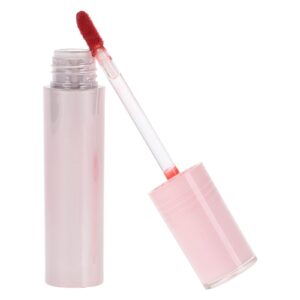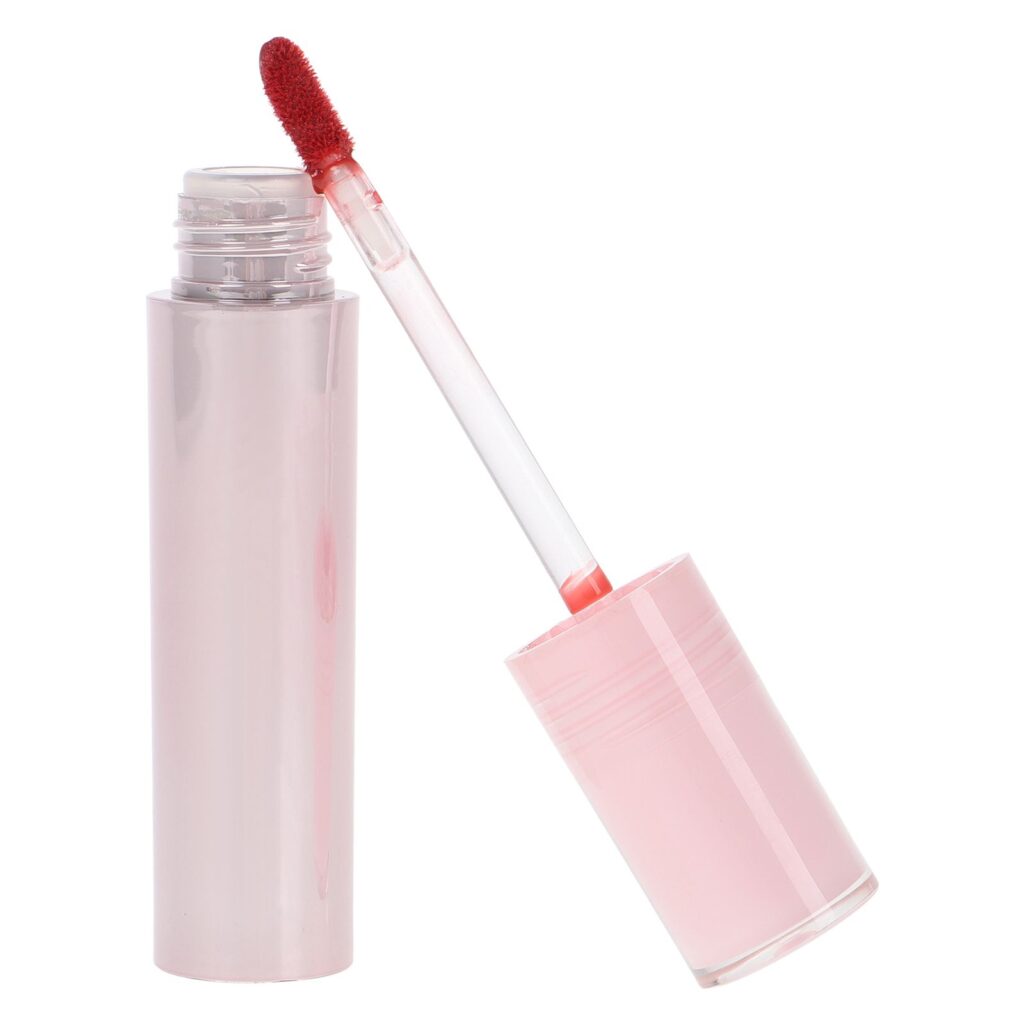
You apply a fresh coat before leaving the house, and by lunch the shine is gone, the color has migrated to your coffee cup, and your lips feel bare. It happens to everyone who wears gloss. Metallic lip gloss is especially noticeable when it fades, because the shimmer clumps and leaves uneven patches. The good news is that a few small changes to prep, layering, and product choice can extend wear. This guide explains exactly how.
Why Lip Gloss Fades So Quickly
Before fixing the problem, it helps to understand it. Gloss behaves differently from lipstick, and that difference explains most of the frustration.
What Your Gloss Is Actually Made Of
Most lip gloss is built on a base of oils, emollients, and thickening agents, with pigments or shimmer particles suspended inside. That slippery base creates the high shine people love. It also means the product never fully “sets” the way a matte lipstick does, so it stays mobile on your lips from the moment you apply it.
Some formulas include film-forming polymers that grip the lips and leave a thin, flexible layer behind. These generally outlast simple oil-and-wax glosses. Checking the ingredient list or the product description can give you a clue about which type you own.
Everyday Habits That Wear It Down
Eating and drinking are the obvious culprits, but they are not the only ones. Pressing your lips together, licking them, talking for hours, and brushing against a mask, scarf, or hair strand all remove product bit by bit.
Heat plays a role too. Warm weather and warm drinks soften the formula, which helps it slide into the corners of your mouth. Once you know where your gloss goes, you can plan around it.
Start With Smooth, Comfortable Lips
Gloss only lasts as well as the surface underneath it. Dry flakes and cracked patches grab shimmer unevenly and break up the shine within an hour or so.
Exfoliate Gently, Not Aggressively
A soft, damp washcloth or a gentle lip scrub works well once or twice a week. Rub in small circles for a few seconds, then rinse and pat dry. Skip this step if your lips are sore, chapped, or irritated, because scrubbing broken skin only makes the problem worse.
Avoid harsh peeling products on lips. The skin there is thin, and a smoother surface should never come at the cost of redness or stinging.
Hydrate, but Don’t Leave a Slick Layer
Hydrated lips hold gloss better than dehydrated ones, so a lip balm is a sensible first step. The trick is timing. Apply the balm, give it a few minutes to sink in, then blot away any extra with a tissue.
If you skip the blotting, a thick film of balm sits between your lips and your gloss. Two slippery layers stacked together tend to slide off faster, which is the opposite of what you want.
Build a Base That Grips Color and Shine
Lip gloss rarely needs to work alone. A base layer gives it something to hold onto, and this single change often makes the biggest visible difference.
Use Lip Liner as an Anchor
A lip liner in a shade close to your gloss does two jobs. It defines the edges, which helps keep product from feathering outside your lip line. It also leaves a slightly waxy, pigmented base on your lips.
For the best results, fill in your whole lip with the liner rather than only outlining it. Even when the gloss wears thin in the center, a matching base keeps your lips looking finished instead of bare. A nude or neutral pencil also works under most colors.
Try a Tint or Stain Underneath
A lip stain or tint soaks into the top layer of skin and leaves color behind after the surface product wears off. Layering a gloss over it means that when the shine fades, you still see a soft wash of color rather than a blank lip.
This is especially useful for clear or sheer glosses, which have no pigment of their own. Let the stain dry for a minute before adding gloss so the two do not blend into a smear.
Even Out the Canvas With a Touch of Concealer
If your lips are naturally dark or uneven, a thin dab of concealer or foundation patted across them can create a more neutral base. Shimmer and color then read more clearly, and you tend to need less product overall.
Press it on lightly with a fingertip or a small brush and avoid rubbing. Too much base can look chalky and may dry out the lips under it.
Application Techniques That Extend Wear
How you apply gloss matters nearly as much as what you apply. A few small adjustments can add noticeable staying power.
Apply Thin Layers Instead of One Thick Coat
It is tempting to load up for maximum shine, but a thick coat is the quickest way to lose it. Extra product slides toward the corners of the mouth and transfers onto cups, teeth, and skin.
Apply a thin first layer, press your lips together once, then blot lightly with a tissue. Add a second thin layer, focusing on the center of the lips. This builds depth while keeping the product anchored.
Concentrate on the Center
Most gloss disappears from the outer edges first. Putting a little more in the center of your lips gives a fuller, glassy look and leaves a natural reserve that gradually spreads outward through the day.
Keep a small gap between the gloss and your lip line. That slight margin prevents bleeding and gives the product room to settle without creeping into fine lines.
Let It Settle Before You Move
Give your lips about a minute to rest after the final layer. Avoid talking, pressing your lips together repeatedly, or taking a sip right away. This short pause lets the formula settle into a stable layer, which reduces early transfer.
Choosing a Formula That Stays Put
Technique can only do so much if the product itself is designed to slide. Choosing the right formula gives your routine a head start.
What to Look for on the Label
Descriptions like “long-wear,” “non-transfer,” or “high-shine with a polymer finish” suggest that a product is built to stay longer. Slightly thicker, tackier glosses also tend to hold better than very thin, watery ones, although they can feel stickier.
There is a comfort tradeoff here. The most durable formulas can feel heavier or less cushiony. Testing a small amount on your lips for an hour or two will tell you whether the wear time is worth the feel.
Handling Shimmer and Metallic Finishes
Shimmery glosses contain tiny reflective particles, often mica-based, that sit in a clear or tinted base. These particles can settle into lip lines and look patchy as the base thins out. Smooth, well-prepped lips make a real difference here.
A matching liner or tint underneath helps keep color consistent even as shimmer shifts. Reapplying only to the center of the lips, rather than coating the whole mouth again, also keeps metallic finishes looking fresh instead of heavy.
Longevity Methods Compared
The table below summarizes the main strategies covered so far and what each is best suited for. Use it as a quick reference when you are deciding how much effort a particular day calls for.
| Method | How It Helps | Best For | Watch Out For |
|---|---|---|---|
| Gentle exfoliation | Smooths flakes so gloss sits evenly | Dry or textured lips | Over-scrubbing irritates skin |
| Balm, blotted before gloss | Softens lips without adding slip | Everyday wear | Leaving a thick film underneath |
| Matching lip liner, filled in | Gives gloss a grippy base | Defined, polished looks | Choosing a shade that clashes |
| Lip stain or tint | Leaves color after shine fades | Long days, sheer glosses | Uneven drying if rushed |
| Thin, layered application | Reduces sliding and transfer | Any gloss formula | Skipping the pause between layers |
| Center-only touch-ups | Refreshes shine without buildup | Shimmer or metallic finishes | Adding too much product |
Habits for Meals, Drinks, and Touch-Ups
Even a perfect application meets real life, so a few practical habits help.
Plan Around Eating and Drinking
If you know a meal is coming, consider using a stain or long-wear base first and saving the gloss for afterward. Sipping through a straw also reduces how often the rim of a cup touches your lips.
Blot your lips lightly with a napkin before taking a bite instead of wiping across them. A gentle press removes surface product without dragging color around.
Touch Up Smartly
Skip the full reapplication and refresh only where the gloss has thinned. A small dab in the center and a quick press of the lips usually brings the shine back in seconds.
If the gloss has built up or looks tacky, blot first. Stacking new product on top of old product can turn sticky and cause the formula to clump.
Common Mistakes That Shorten Wear Time
A few well-meaning habits quietly work against you. Applying gloss over a heavy, oily balm is the most common one. Licking your lips to “refresh” them is another, since saliva breaks down the formula and dries the skin afterward.
Using an old product can also cause problems. Gloss that has separated, changed smell, or become gloopy will not apply or last the way it once did. Cosmetics have a limited shelf life, so replacing them periodically is both a performance and a hygiene choice. Sharing applicators is best avoided for the same reason.
Storing Gloss to Keep the Formula Stable
Heat and sunlight can affect how a gloss feels and performs. Leaving a tube in a hot car or on a sunny windowsill may soften the formula, change its texture, or encourage separation.
Store your gloss in a cool, dry place with the cap closed tightly. A makeup bag kept out of direct sun is usually enough. If a product starts to look or smell different, it is time to replace it.
Conclusion
Making gloss last is less about finding one miracle product and more about stacking small advantages. Smooth, lightly hydrated lips give gloss a better surface. A matching liner or stain provides a base that holds color. Thin layers concentrated in the center, applied with a short pause, reduce sliding and transfer. Choosing a formula suited to your day matters too. Try changing just one or two steps this week and notice what works for your lips. A few minutes of preparation can keep your shine looking polished long after lunch.
Frequently Asked Questions
1. How long should lip gloss last on average?
It depends on the formula, your habits, and the weather. Many glosses need refreshing after a couple of hours, especially after eating or drinking. Long-wear or polymer-based formulas often hold up longer, while very glossy, oily ones tend to fade faster.
2. Does lip liner really help gloss last longer?
Yes. Filling in your lips with a liner gives the gloss a slightly grippy base, so color and shine stay more even. It also helps prevent the product from drifting beyond your lip line.
3. Can I put gloss over lipstick?
You can. Applying gloss to the center of a lipstick adds shine while the lipstick underneath keeps color on your lips. Just use a thin layer, because a thick coat can make the lipstick slide or smudge.
4. Why does my gloss feel sticky, and can I still make it last?
Stickiness usually comes from thick, tacky formulas or too much product. Using a thinner layer and blotting between coats gives you a more comfortable feel, and the grip of a tackier formula often helps it stay longer.
5. Should I exfoliate my lips before every application?
No. Once or twice a week is plenty for most people, and less often if your lips are sensitive. Over-exfoliating can cause irritation, which makes your lips feel worse and gloss wear unevenly.