Maternity pads help manage heavy bleeding after childbirth and keep daily recovery more comfortable. Choosing the right pad matters because postpartum bleeding can be heavier than a normal period. A good product should feel soft, absorb fluid quickly, fit well, and help protect clothes from leaks. It should also suit sensitive skin during this delicate time.
This guide explains postpartum pads, postpartum bleeding, heavy flow protection, soft sanitary pads, and leak protection in simple terms. You will learn about absorbency, size, comfort, changing routines, and hygiene. These practical tips can help mothers in Pakistan choose suitable protection with greater confidence.
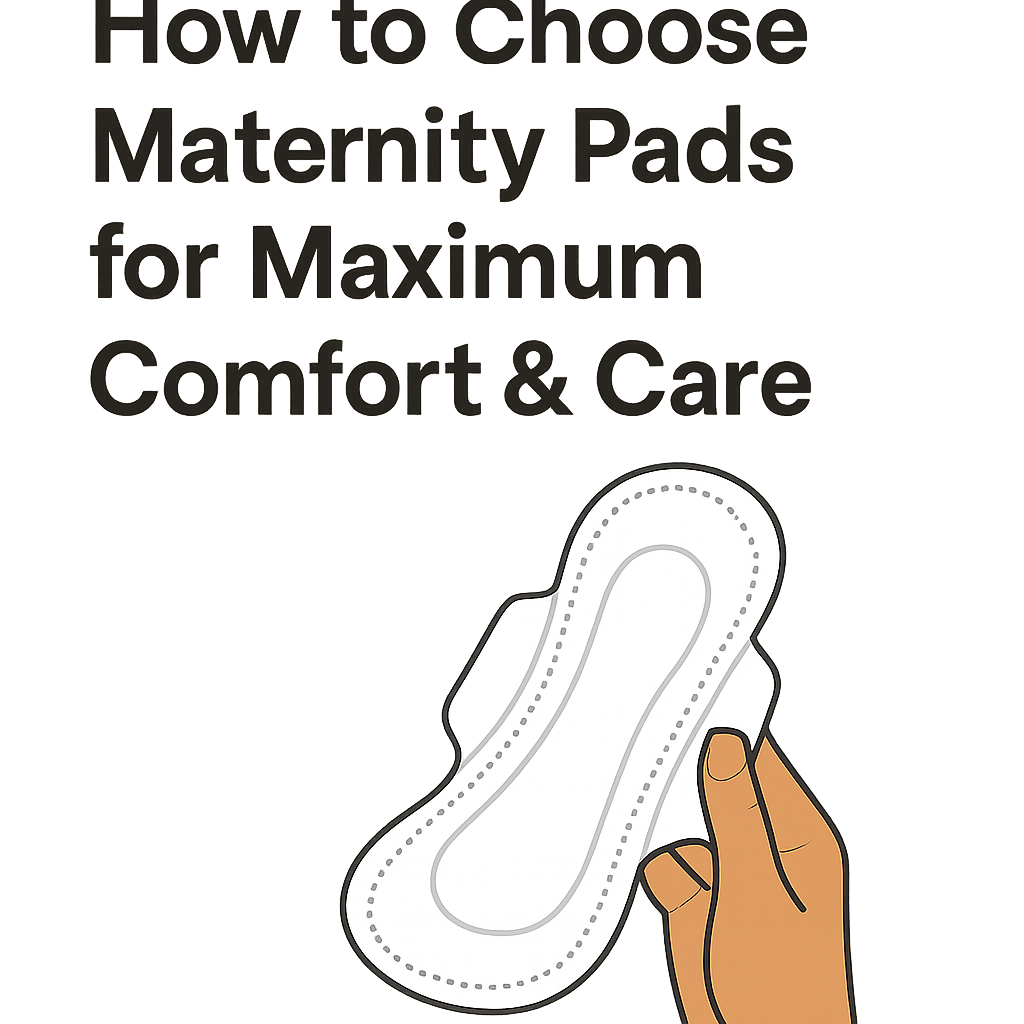
How to Choose Maternity Pads for Better Daily Comfort
The best Maternity pads should provide strong absorbency while remaining soft against sensitive skin. After delivery, the body releases blood, mucus, and tissue called lochia. The flow usually changes over several weeks.
Look for a long and absorbent pad with good coverage. A secure fit can also reduce movement while sitting, sleeping, or walking. Personal needs differ, so choose protection based on your flow and comfort rather than relying only on the product size.
Key Takeaways
Choosing suitable postpartum protection becomes easier when you focus on a few basic features. Your flow will normally change as recovery continues. Therefore, you may need different absorbency levels at different stages.
Keep these five points in mind when buying and using pads after childbirth.
- Choose high absorbency for heavier early flow.
- Pick a soft surface for tender or sensitive skin.
- Look for longer coverage when sleeping.
- Change the pad regularly to support good hygiene.
- Choose a secure fit that stays comfortable during movement.
These simple steps can support a cleaner and more comfortable recovery. However, seek medical advice if bleeding seems unusually heavy or you feel unwell.
Why Absorbency Matters During Postpartum Recovery
Heavy bleeding is common during the first days after childbirth. Therefore, regular period products may not always provide enough coverage. A highly absorbent postpartum pad can hold more fluid and help reduce leaks.
As bleeding becomes lighter, you can move to a lower absorbency level if it feels comfortable. Check your pad often instead of waiting until it feels completely full. Regular changes keep the area cleaner and make it easier to notice unusual changes in bleeding.
How Soft Materials Can Support Sensitive Skin
The skin around the vaginal area may feel sore after childbirth, especially after stitches, swelling, or a vaginal delivery. For this reason, softness should be a key factor when selecting postnatal pads.
Choose products with a gentle top layer and comfortable edges. Avoid products that cause itching, rubbing, or irritation. Breathable materials may also improve comfort. If irritation continues after changing products, contact a doctor, midwife, or other qualified healthcare professional for advice.
How to Check Pad Expiry and Storage Before Use
Good hygiene starts before you open a pad. Keep each pack in a clean and dry place. Heat, moisture, damaged packaging, and poor storage may affect product quality over time. You can learn more about whether Sanitary Pads Have Expiry and why checking packaging and storage conditions matters.
Before use, inspect the wrapper and product condition. Do not use pads that look dirty, wet, damaged, or unusual. Follow any storage instructions or dates printed by the manufacturer.
What Size Maternity Pad Gives the Best Protection
A longer pad usually gives more coverage during heavy flow and overnight use. Wider back coverage can also help reduce leaks while lying down. However, bigger does not always mean more comfortable.
Select a size that fits your underwear without folding, bunching, or moving. A stable adhesive strip can keep the pad in place. During the first few days, many mothers prefer longer postpartum sanitary pads. Later, a smaller option may feel more practical as lochia becomes lighter.
How Often Should You Change a Postpartum Pad
Change your pad regularly and whenever it becomes wet, uncomfortable, or heavily soaked. Frequent changes support hygiene and help you monitor your recovery. Always wash your hands before and after changing a pad.
A simple changing routine can include the following steps.
- Wash your hands before touching a fresh pad.
- Remove the used product carefully.
- Clean the area as advised by your healthcare provider.
- Place a fresh pad securely in clean underwear.
- Wrap and dispose of the used pad correctly.
- Wash your hands again when finished.
Do not flush used pads down the toilet. Disposal rules may differ by location, so use an appropriate waste bin.
How Postpartum Bleeding Changes After Childbirth
Postpartum bleeding is called lochia. It generally starts heavier and red, then gradually becomes lighter and changes colour as the uterus heals. The amount and duration can vary from one mother to another.
Monitoring your flow can help you choose the right heavy flow pads for each recovery stage. Contact a healthcare professional urgently if bleeding suddenly becomes very heavy, you soak through a pad very quickly, pass very large clots, feel faint, develop a fever, or notice a bad smell.
How to Buy Comfortable Maternity Pads in Pakistan
Mothers in Pakistan can find postpartum products at pharmacies, supermarkets, baby stores, and online shops. Before buying, check the absorbency level, length, surface material, pack size, and manufacturer information.
Weather also matters. Pakistan can be hot and humid, so a soft and comfortable product may feel better during long periods of use. Store unopened packs away from moisture and direct sunlight. When shopping online, use a reliable seller and review product details before ordering.
Features to Compare Before Choosing Postnatal Pads
Price matters, but it should not be the only deciding factor. Compare how much protection you receive in each pack. A cheaper product may not offer enough absorbency for heavy postpartum flow.
Check the pad length, absorbent core, surface softness, adhesive quality, and overall fit. Also consider how often you expect to change it. Your needs can change during recovery, so keeping more than one absorbency option at home may make daily care easier.
When Postpartum Bleeding Needs Medical Attention
Normal postpartum bleeding should gradually reduce. However, some bleeding patterns need prompt medical assessment. Very heavy or suddenly increasing blood loss can signal a complication rather than normal recovery.
Seek urgent medical care if you soak through a pad in about an hour, especially if it continues, or if you feel dizzy, weak, faint, short of breath, or develop severe pain. Fever, foul smelling discharge, or very large clots also need medical advice. Follow the specific instructions given by your maternity care team.
Conclusion
The right postpartum pad can make recovery cleaner, simpler, and more comfortable. Focus on absorbency, softness, length, fit, secure placement, and good hygiene. Change protection regularly and adjust the absorbency level as your flow becomes lighter.
For mothers in Pakistan looking for practical feminine care options, embrace pads can be explored alongside your personal comfort and protection needs. Most importantly, pay attention to changes in your body and contact a qualified healthcare professional whenever postpartum bleeding or other symptoms concern you.
FAQs
What are maternity pads used for after childbirth?
They absorb lochia, the vaginal bleeding and discharge that occurs after childbirth. They usually provide greater coverage and absorbency than standard period products, which can make them useful during the heavier early stage of postpartum recovery.
How many postpartum pads should I buy before delivery?
There is no fixed number because bleeding and changing habits vary. Keep enough highly absorbent postnatal pads for frequent changes during the first few days. You can buy lighter options later as your postpartum flow decreases.
Can I use normal sanitary pads after giving birth?
Some mothers may use regular sanitary pads once their flow becomes lighter. However, longer and more absorbent postpartum products can provide better coverage during early recovery. Follow your doctor or midwife’s advice about suitable postpartum hygiene products.
How long will I need maternity pads after delivery?
Lochia often continues for several weeks, although its amount and duration vary. You may need highly absorbent protection at first and lighter pads later. Speak with a healthcare professional if bleeding becomes heavier again or causes concern.
What should I look for when buying maternity pads?
Look for strong absorbency, soft materials, suitable length, secure adhesive, and enough coverage for your flow. Also check the packaging and storage information. Choose a product that feels comfortable and change it regularly to maintain good hygiene.