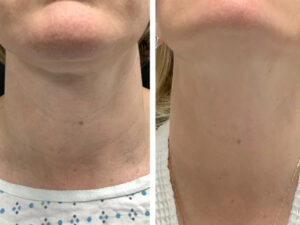
Melasma is a common skin concern that causes patches of darker pigmentation to appear on areas such as the cheeks, forehead, nose, upper lip, and chin. The condition can make the complexion look uneven and may become more noticeable after exposure to sunlight or other factors that stimulate pigment production.
For people looking for Melasma In Manchester, understanding the available treatment approaches can make it easier to choose a suitable skincare plan. Modern dermatological treatments can focus on reducing the appearance of pigmentation while supporting a more balanced and radiant complexion.
SLA Medical Clinic provides professional aesthetic and dermatological care for people seeking solutions for pigmentation concerns and uneven skin tone.
What Is Melasma?
Melasma is a pigmentation condition characterised by areas of brown, grey-brown, or darker discoloration on the skin. It commonly appears symmetrically on the face and is particularly noticeable against the surrounding skin.
Melasma develops when pigment-producing cells increase the production of melanin. The resulting excess pigmentation can create patches that vary in intensity depending on the individual’s skin type, lifestyle, and environmental exposure.
Although melasma is generally associated with facial pigmentation, its appearance can differ from one person to another. Some people experience mild patches, while others may notice more prominent areas of uneven colour.
What Causes Melasma?
Melasma can develop because of several interacting factors. Identifying factors that may contribute to pigmentation can help create a more effective approach to managing the condition.
Sun Exposure
Ultraviolet exposure is one of the most important factors associated with pigmentation. Sunlight can stimulate melanin production and make existing melasma appear darker.
Manchester’s weather may often be cloudy, but ultraviolet exposure can still occur throughout the year. Consistent daily sun protection can therefore be an important part of a pigmentation-focused skincare routine.
Hormonal Changes
Hormonal fluctuations are commonly associated with melasma. Changes in hormone levels may stimulate pigment-producing cells and contribute to the development or worsening of pigmentation.
This is one reason melasma may become more noticeable during certain periods of hormonal change.
Genetic and Skin-Type Factors
Some individuals may be more predisposed to developing melasma because of genetic factors and their natural skin pigmentation. People with medium to darker skin tones can be particularly susceptible to noticeable pigmentation.
Heat and Environmental Factors
Heat and environmental exposure may also contribute to the appearance of pigmentation in some individuals. Managing environmental triggers alongside professional treatments can support a more consistent complexion.
Common Areas Affected by Melasma
Melasma most frequently develops on areas of the face that receive regular environmental exposure.
Cheeks
The cheeks are among the most common locations for melasma. Pigmentation may appear as patches or broader areas of darker skin.
Forehead
Melasma can create uneven pigmentation across the forehead, sometimes extending toward the temples.
Upper Lip
Darkened pigmentation around the upper lip can sometimes resemble a shadow and may become particularly noticeable in certain lighting.
Nose and ChinSet featured image
The nose and chin can also develop areas of increased pigmentation, either independently or alongside pigmentation elsewhere on the face.
How Is Melasma Assessed?
A professional skin assessment can help determine the type and extent of pigmentation before selecting a treatment approach. A practitioner may examine the colour, distribution, and depth of pigmentation while considering the individual’s skin characteristics and skincare history.
Understanding the Type of Pigmentation
Melasma can involve pigmentation at different depths within the skin. Understanding the characteristics of the pigmentation helps practitioners determine which treatment options may be appropriate.
Personalising the Treatment Approach
There is no single approach that works identically for every person. A personalised plan may combine professional treatments with an appropriate home skincare routine to address pigmentation from multiple angles.
Effective Options for Managing Melasma in Manchester
People searching for Melasma in Manchester may have access to several modern approaches designed to improve the appearance of uneven pigmentation.
Professional Skin Treatments
Professional skin treatments can be selected according to the individual’s pigmentation pattern, skin type, and overall skincare goals. Treatments may work by encouraging skin renewal, improving the appearance of discolouration, and supporting a more even-looking complexion.
A professional assessment is useful before beginning a treatment programme because the appropriate procedure, strength, and frequency can vary between individuals.
Chemical Peels
Chemical peels use carefully selected ingredients to encourage exfoliation and skin renewal. Depending on the formulation, a peel can help improve the appearance of superficial pigmentation and create a smoother-looking complexion.
Peels may be incorporated into a broader pigmentation management plan rather than being considered as an isolated solution.
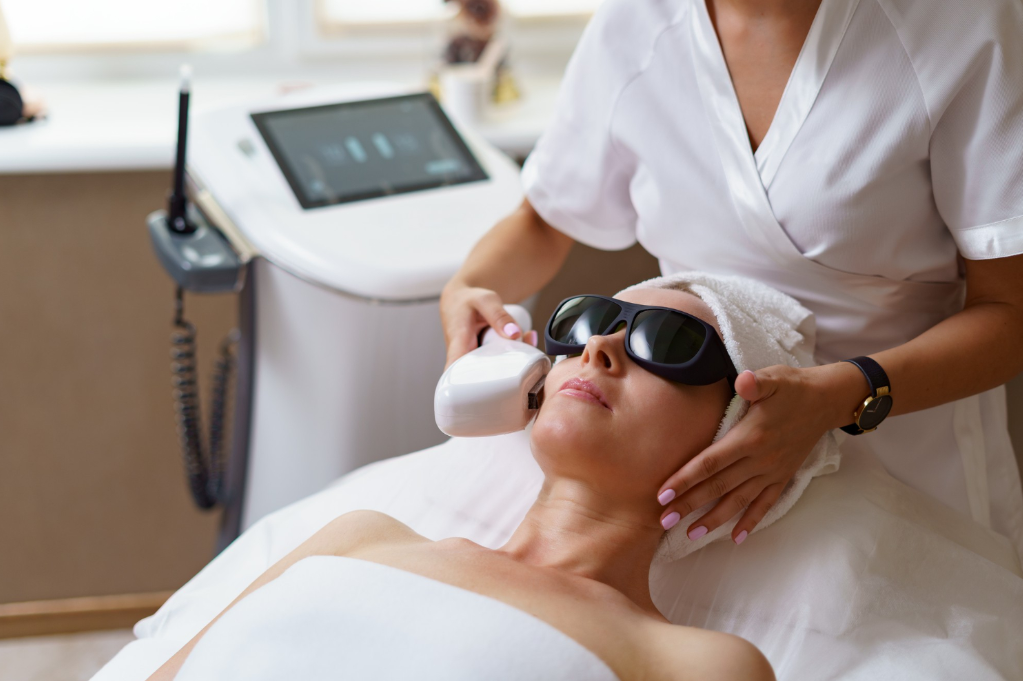
Laser and Light-Based Treatments
Certain laser and light-based technologies may be considered for pigmentation concerns. These treatments use controlled energy to target specific pigmentation-related concerns while supporting the skin’s renewal process.
The choice of technology depends on factors such as skin type, pigmentation characteristics, and treatment goals. Professional assessment is particularly important when considering energy-based treatments for melasma.
Microneedling
Microneedling involves creating controlled microscopic channels in the skin using fine needles. This process can support skin renewal and may be incorporated into treatment plans designed to improve overall skin texture and appearance.
For pigmentation concerns, microneedling may be combined with other professionally selected skincare approaches.
Medical-Grade Skincare
A targeted skincare routine can play an important role in managing uneven skin tone. Professional recommendations may include products designed to support skin renewal and reduce the appearance of pigmentation over time.
Consistency is important because pigmentation management is generally a gradual process rather than something that changes overnight.
Why Sun Protection Matters for Melasma
Sun protection is a fundamental part of managing pigmentation. Ultraviolet exposure can encourage melanin production and make areas of melasma more noticeable.
Daily SPF
Using a broad-spectrum sunscreen as part of a daily skincare routine can help minimise exposure to ultraviolet radiation. Sunscreen should be applied consistently rather than only on bright summer days.
Additional Protection
Alongside sunscreen, wearing hats, seeking shade, and limiting prolonged direct exposure can provide additional protection for pigmentation-prone skin.
Building a Melasma-Friendly Skincare Routine
A consistent skincare routine can complement professional treatments and help maintain a more even-looking complexion.
Gentle Cleansing
A gentle cleanser can remove daily impurities without unnecessarily disrupting the skin’s surface. Avoiding overly aggressive cleansing can help maintain a comfortable and balanced skincare routine.
Targeted Pigmentation Products
Products selected for pigmentation concerns can be incorporated into a routine according to professional guidance. Active ingredients should be introduced appropriately to support consistent use.
Moisturising
Keeping the skin moisturised can support the overall appearance and comfort of the complexion. A suitable moisturiser can also help create a balanced foundation for other skincare products.
Consistent Sun Protection
Daily SPF remains one of the most important parts of a long-term pigmentation management routine. Consistent use can help reduce factors that may encourage pigmentation to become more visible.
What Can You Expect From Melasma Treatment?
The goal of professional melasma treatment is generally to reduce the visibility of pigmentation and create a more even-looking complexion.
Gradual Improvement
Pigmentation often requires a consistent treatment approach. Depending on the severity and characteristics of the melasma, improvements may develop gradually as the skin responds to treatment.
A Personalised Treatment Plan
Your practitioner may recommend a combination of professional treatments and home skincare based on your individual needs. The treatment plan may also be adjusted as your skin’s appearance changes.
Ongoing Skin Maintenance
Melasma management does not necessarily end when pigmentation becomes less noticeable. Continuing an appropriate skincare routine and maintaining sun protection can help support the appearance achieved through professional treatment.
Choosing the Right Melasma Treatment in Manchester
When searching for Melasma in Manchester, selecting a professional clinic with a personalised approach can make the treatment experience more targeted.
Professional Skin Assessment
A detailed assessment can help establish the characteristics of your pigmentation and determine which treatment options may be suitable.
Tailored Treatment Plans
Rather than relying on a standard procedure, a tailored plan can combine treatments and skincare according to individual pigmentation patterns and complexion goals.
Experienced Professional Guidance
Professional guidance can help you understand which treatments may complement your existing skincare routine and how different approaches can be incorporated into a longer-term pigmentation management plan.
SLA Medical Clinic offers professional aesthetic and skin-focused care for individuals seeking personalised approaches to pigmentation and uneven skin tone.
How to Support Your Results at Home
Professional treatment can be supported by simple daily skincare habits.
Follow Your Recommended Routine
Use skincare products according to the recommendations provided by your practitioner. Consistency can help maintain a structured approach to pigmentation management.
Avoid Unnecessary Skin Irritation
A simple and gentle routine can be preferable to frequently changing products or using multiple strong active ingredients at once.
Protect Your Skin Every Day
Daily sun protection should remain part of your routine even when the weather appears cloudy. This is particularly important for people whose skin is prone to pigmentation.
Frequently Asked Questions About Melasma in Manchester
What is the best treatment for melasma?
The most suitable treatment depends on the individual’s skin type, pigmentation pattern, and treatment goals. Professional options can include chemical peels, selected laser or light-based treatments, microneedling, and targeted skincare.
Can melasma be treated permanently?
Melasma can often be managed effectively, but pigmentation may require ongoing maintenance. A consistent skincare routine, professional treatment, and daily sun protection can help support a more even-looking complexion.
How long does melasma treatment take to show results?
Results vary depending on the pigmentation and treatment approach. Some people may notice changes progressively over several treatment sessions, while others may require a longer-term management plan.
Can I treat melasma at home?
A suitable home skincare routine can support pigmentation management. However, professional assessment can help determine which products and treatments are appropriate for your specific skin concerns.
Is sunscreen important for melasma?
Yes. Sun exposure can stimulate melanin production and make pigmentation more noticeable. Consistent daily sun protection is therefore an important part of a melasma-focused skincare routine.
Why choose professional treatment for melasma in Manchester?
Professional treatment allows your pigmentation to be assessed before selecting an appropriate approach. This can help create a personalised plan that combines suitable procedures with skincare and ongoing maintenance.
Conclusion
Melasma can create persistent areas of uneven pigmentation, but modern skin treatments and consistent skincare can provide effective ways to manage its appearance. From professional chemical peels and selected laser treatments to microneedling and targeted skincare, different options can be considered according to individual skin characteristics.
For those researching Melasma in Manchester, a professional assessment is a useful starting point for understanding your pigmentation and creating a personalised treatment strategy. Combining professional care with daily sun protection and a consistent skincare routine can help support a clearer, brighter, and more balanced-looking complexion.
SLA Medical Clinic can provide personalised professional guidance for people looking to improve the appearance of melasma and achieve a more even skin tone.