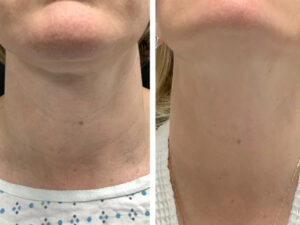
Finding the best plastic surgeon in Dubai is an important decision for anyone considering cosmetic or reconstructive surgery. Dubai has become a popular destination for aesthetic procedures, offering access to modern medical facilities, experienced specialists, and a wide range of surgical techniques. However, choosing the right surgeon should involve more than simply searching for a highly rated doctor or comparing prices.
Whether you are considering breast augmentation, liposuction, tummy tuck surgery, rhinoplasty, facelift surgery, or another procedure, the surgeon you choose can significantly influence your experience, safety, recovery, and satisfaction with the results.
What Makes a Plastic Surgeon the Best Choice?
The term “best” can mean different things to different patients. A surgeon who is ideal for one procedure may not necessarily be the right specialist for another. Therefore, it is important to evaluate several factors before making your decision.
A qualified plastic surgeon should have appropriate medical education, specialist training, relevant surgical experience, and a strong understanding of facial and body anatomy. Experience with the specific procedure you are considering is particularly important.
You should also feel comfortable communicating with your surgeon. A good consultation should give you the opportunity to discuss your goals, concerns, medical history, expected results, potential risks, and recovery requirements.
Check the Surgeon’s Qualifications and Experience
One of the first steps when searching for the best plastic surgeon in Dubai is checking their professional qualifications.
Look for information about:
- Medical education and specialist training
- Professional licensing and registration
- Years of experience in plastic surgery
- Specific experience with your chosen procedure
- Hospital or clinic affiliations
- Continuing professional education
- Professional memberships and certifications
Do not hesitate to ask the clinic about the surgeon’s qualifications during your consultation. A reputable medical provider should be transparent about the specialist’s professional background.
Experience is especially important for procedures that require considerable surgical precision. For example, breast surgery, facial surgery, rhinoplasty, and body-contouring procedures can require different technical skills and approaches.
Consider Experience With Your Specific Procedure
Plastic surgery is a broad specialty. Surgeons may perform a variety of procedures, but their experience can differ considerably from one procedure to another.
If you are considering breast augmentation, look for a surgeon with substantial experience in breast surgery. If your goal is body contouring, consider a surgeon who regularly performs procedures such as liposuction or abdominoplasty.
For facial procedures, you may want to investigate the surgeon’s experience with rhinoplasty, facelift surgery, eyelid surgery, or other relevant techniques.
During your consultation, ask how frequently the surgeon performs the procedure and whether they can explain the technique they recommend for your particular anatomy and goals.
Review Before-and-After Results Carefully
Before-and-after photographs can help you understand a surgeon’s aesthetic approach. However, they should not be the only factor in your decision.
When reviewing photographs, look for patients with similar characteristics and procedures. Pay attention to whether the results appear natural and proportionate rather than simply dramatic.
It is also useful to ask whether the photographs represent the surgeon’s own patients and whether the images have been appropriately presented.
Remember that every patient is different. Genetics, skin quality, body structure, age, lifestyle, and healing ability can all influence surgical results. A responsible surgeon should avoid promising that you will achieve exactly the same result as another patient.
Schedule a Detailed Consultation
A consultation is one of the most important stages of choosing a plastic surgeon. It allows you to assess not only the surgeon’s expertise but also how comfortable you feel discussing your goals.
During the consultation, you may want to ask:
- What procedure do you recommend for my goals?
- Why is this approach suitable for me?
- What results can I realistically expect?
- What are the possible risks and complications?
- How long will recovery take?
- What type of anesthesia will be used?
- Where will the surgery take place?
- What follow-up care will be provided?
- What happens if a complication occurs?
- Are there alternatives to surgery?
A good surgeon should be willing to answer questions clearly and explain both benefits and limitations.
Be Realistic About Your Expectations
One of the characteristics of a responsible plastic surgeon is the ability to set realistic expectations.
Plastic surgery can improve certain aspects of your appearance, but it cannot guarantee perfection. Your surgeon should explain what the procedure can and cannot accomplish.
For example, liposuction can help reduce localized fat deposits, but it is not primarily a weight-loss procedure. Similarly, a tummy tuck can remove excess skin and tighten certain abdominal structures, but maintaining the result depends partly on factors such as future weight changes and lifestyle.
Understanding these limitations before surgery can help you make a more informed decision.
Safety Should Be a Priority
When choosing the best plastic surgeon in Dubai, never make cost your only consideration. Your safety should come first.
Ask about the facility where the procedure will be performed and whether appropriate medical support is available. Depending on the procedure, this may include qualified anesthesia professionals, surgical staff, monitoring equipment, and appropriate postoperative care.
You should also provide your surgeon with complete information about your medical history, medications, allergies, previous surgeries, and any other relevant health information. This helps the medical team assess whether the procedure is appropriate for you.
Understand the Recovery Process
Recovery varies depending on the procedure and the individual patient. Some cosmetic procedures may involve relatively short downtime, while more extensive operations can require several weeks of recovery.
Before committing to surgery, ask your surgeon about:
- Expected swelling and bruising
- Pain management
- Wound care
- When you can return to work
- When exercise can be resumed
- Sleeping recommendations
- Follow-up appointments
- Warning signs that require medical attention
Planning your recovery in advance can make the postoperative period more manageable.
Compare Clinics, Not Just Surgeons
The surgeon is extremely important, but the clinic or hospital also matters. Look for a facility that maintains appropriate standards of cleanliness, patient care, surgical safety, and postoperative support.
The quality of communication from the clinic can also tell you a lot. Staff should be professional, transparent, and willing to provide clear information about the procedure, costs, preparation, and follow-up process.
Be cautious if you feel pressured to book surgery immediately or if a provider focuses heavily on discounts instead of discussing your suitability and safety.
Understand the Total Cost
The cost of plastic surgery in Dubai can vary significantly depending on the procedure, surgeon’s experience, facility, anesthesia, complexity of the surgery, and postoperative care.
When comparing prices, make sure you understand what is included. Ask whether the quoted amount covers the surgeon’s fees, facility charges, anesthesia, medical tests, medications, garments, and follow-up appointments.
A significantly lower price should not automatically be considered a better deal. Choosing a surgeon primarily because they offer the cheapest procedure may create unnecessary risks.
Look Beyond Online Reviews
Online reviews can provide useful insight into patient experiences, but they should be interpreted carefully.
A high number of positive reviews can be encouraging, but reviews alone cannot establish a surgeon’s qualifications or suitability for your procedure. Consider multiple sources of information, including professional credentials, consultations, patient experiences, and before-and-after results.
You should also be cautious about relying entirely on social media popularity. A large following does not necessarily indicate surgical expertise.
Why Dubai Is Popular for Plastic Surgery
Dubai has developed a strong healthcare and aesthetic medicine sector, attracting patients from the UAE and other countries. Patients may have access to specialists offering a wide range of cosmetic and reconstructive procedures.
Modern clinics and hospitals, advanced technologies, and an increasingly international medical community have contributed to Dubai’s reputation as an aesthetic healthcare destination.
Nevertheless, patients should still conduct their own research rather than assuming that every clinic or surgeon offers the same level of expertise.
Questions to Ask Before Booking Surgery
Before choosing a plastic surgeon, prepare a list of questions for your consultation. Some useful questions include:
- Are you licensed and qualified to perform this procedure?
- How many times have you performed this surgery?
- What technique do you recommend for me?
- What risks and complications should I understand?
- What will my recovery involve?
- Where will the surgery be performed?
- What follow-up care is included?
- What happens if I am unhappy with the result?
- What costs are included in the quoted price?
- Are there nonsurgical or alternative options I should consider?
The answers can help you compare surgeons based on expertise, communication, safety, and suitability rather than marketing claims.
Final Thoughts
Finding the best plastic surgeon in Dubai requires careful research and a personalized approach. The right surgeon should have appropriate qualifications, substantial experience with your chosen procedure, a strong commitment to patient safety, and the ability to communicate realistic expectations.
Take time to attend consultations, review relevant results, understand the risks and recovery process, and compare the overall quality of care rather than focusing exclusively on price.
Most importantly, plastic surgery should be approached as a medical decision rather than an impulse purchase. Choosing a qualified and experienced specialist can help you make a well-informed decision and work toward results that are appropriate for your individual goals and anatomy.