Choosing the right PVC transparent film manufacturer is an important decision for businesses involved in packaging, construction, retail, and industrial production. The quality of the film can directly affect product appearance, manufacturing efficiency, durability, and overall operating costs. While many suppliers may offer similar-looking products, their manufacturing capabilities, quality standards, and technical support can vary considerably.
When evaluating PVC Transparent Film Manufacturers, buyers should look beyond price and consider factors such as material consistency, product specifications, production capacity, and reliability. A suitable supplier should understand the intended application and provide materials that meet the required performance standards. Comparing PVC Transparent Film Manufacturers carefully can help businesses reduce purchasing risks and establish a dependable long-term supply relationship.
1. Evaluate Product Quality and Transparency
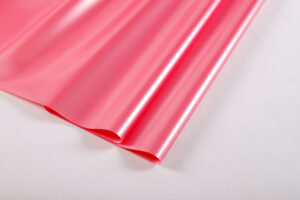
Product quality should be one of the first considerations when comparing manufacturers. Transparent PVC film is often selected because its clarity allows products to remain visible while protected by a covering or packaging layer.
However, transparency can vary between film grades and production batches. Differences in haze, surface finish, thickness, or color consistency may affect the final appearance.
When reviewing a manufacturer’s products, consider:
- Optical clarity and transparency
- Surface smoothness and consistency
- Uniformity across the film roll
- Resistance to scratches and routine handling
- Overall appearance after processing
Requesting samples is a practical way to evaluate these characteristics before placing a large order.
2. Check Available Thicknesses and Specifications
Different applications require different film properties. Packaging manufacturers may need thin, flexible film, while industrial users may prefer thicker material for protective coverings or specialized components.
A capable manufacturer should provide clear information about available specifications, including:
- Film thickness and tolerance
- Roll width and length
- Flexibility and softness
- Surface finish
- Color and transparency options
- Available formulations
It is also important to confirm whether the manufacturer can produce customized dimensions. Matching the film specifications to existing machinery and product designs can help reduce material waste and processing difficulties.
3. Review Manufacturing Capabilities
A manufacturer’s production equipment and processes can influence both product quality and order fulfillment. Modern production systems, appropriate process controls, and regular inspections can help maintain consistency.
Ask potential suppliers about their manufacturing facilities and quality management procedures. Find out how they control thickness, monitor transparency, identify surface defects, and maintain consistency between production batches.
You should also consider whether the manufacturer has experience producing the specific type of PVC film your business requires. A supplier familiar with your application may be better equipped to recommend suitable specifications and identify potential processing issues.
4. Compare Production Capacity and Delivery Reliability
A supplier may offer suitable products but still be an unsuitable business partner if it cannot meet your volume or delivery requirements.
Before choosing a manufacturer, assess its ability to handle both current and future demand. Consider the following:
Order Capacity
Confirm the minimum order quantity, standard production volume, and ability to accommodate larger orders. If your business has seasonal demand, ask whether the manufacturer can support changes in order volume.
Lead Times
Ask how long standard production and customized orders typically take. Clarify whether lead times include manufacturing, inspection, and dispatch.
Supply Consistency
A reliable manufacturer should be able to explain how it manages production schedules and raw material availability. Consistent supply helps businesses avoid interruptions in their own operations.
Export and Logistics Experience
For international buyers, experience with export documentation, packaging, shipping arrangements, and customs requirements can make procurement more straightforward.
5. Examine Quality Control and Certifications
Quality assurance is essential when purchasing transparent PVC film for regular industrial or commercial use. A manufacturer should have a clear process for checking raw materials, monitoring production, and inspecting finished rolls.
Ask whether the supplier provides quality inspection records, technical data sheets, and batch information.
Certifications can also help buyers assess a manufacturer’s management systems and product compliance. However, certifications should be relevant to the application and verified rather than accepted as general proof of every product’s suitability.
For regulated uses, such as food-contact or medical applications, request documentation confirming that the specific film grade meets the applicable requirements. General-purpose PVC film should not automatically be assumed suitable for specialized uses.
6. Consider Customization and Technical Support
Not every business can use standard film specifications. Some applications require particular thicknesses, roll widths, surface characteristics, or flexibility levels.
A manufacturer that offers customization can help buyers find a material that fits their production requirements more closely.
Technical support is equally important. Suppliers should be able to explain the differences between available grades and provide guidance on material selection, processing compatibility, and storage.
Before making a decision, ask whether the manufacturer can:
- Produce customized thicknesses and dimensions
- Recommend film grades for specific applications
- Provide product samples for testing
- Share technical specifications and test information
- Assist with questions about processing and storage
Good technical communication can prevent misunderstandings and reduce the likelihood of ordering unsuitable materials.
7. Compare Pricing and Overall Value
Price is an important purchasing factor, especially for businesses that buy PVC film in bulk. However, selecting the lowest-priced option does not always produce the best overall value.
A cheaper product may have inconsistent thickness, lower clarity, or processing characteristics that increase material waste. These issues can create additional costs during manufacturing and packaging.
When comparing quotations, evaluate:
- Price per unit or roll
- Minimum order quantity
- Customization charges
- Packaging and shipping costs
- Payment terms
- Expected lead time
- Quality consistency and after-sales support
Comparing these details provides a more accurate picture of the total purchasing cost.
8. Check Reputation and Customer Communication
A manufacturer’s reputation can provide useful insight into its reliability and business practices. Look for evidence of experience in the PVC film industry, established customer relationships, and a clear approach to handling inquiries.
You can assess a supplier by reviewing its company information, product documentation, customer feedback, and communication during the quotation process.
Pay attention to how quickly and clearly the manufacturer responds to technical questions. A professional supplier should provide understandable answers instead of making vague claims about product quality or performance.
Where possible, request references or examples of previous work involving similar applications.
9. Test Samples Before Placing Bulk Orders
Even when a manufacturer appears suitable, testing samples is an important step before committing to a large purchase.
A sample evaluation allows your production team to check whether the film performs as expected under actual working conditions.
Depending on the intended use, testing may include:
- Measuring thickness and dimensional consistency
- Checking transparency and surface appearance
- Evaluating flexibility and handling
- Testing compatibility with sealing or forming equipment
- Observing performance during storage and transportation
Documenting the results makes it easier to compare multiple manufacturers objectively. If possible, test samples using the same machinery and production conditions that will be used for regular orders.
10. Build a Long-Term Supplier Relationship
Finding a manufacturer that meets your immediate requirements is only the first step. Long-term supplier relationships can improve purchasing efficiency and make production planning more predictable.
A dependable manufacturer should communicate clearly about product changes, production schedules, and potential supply issues. It should also be willing to discuss quality concerns and work toward practical solutions.
Before establishing a long-term arrangement, agree on product specifications, acceptable quality limits, order quantities, delivery expectations, and procedures for addressing defective materials.
Clear expectations help both parties maintain a more consistent working relationship.
Conclusion
Comparing PVC transparent film manufacturers requires more than checking product prices. Buyers should evaluate transparency, thickness options, manufacturing capabilities, quality control, production capacity, customization services, and delivery reliability.
Requesting samples, reviewing technical documentation, and testing materials under actual production conditions can help businesses make more informed purchasing decisions. By choosing a manufacturer that combines consistent product quality with reliable communication and technical support, companies can improve procurement efficiency and maintain dependable material supplies for their packaging and industrial applications.